
24/7 全天候客户支持

免费退货

当日/次日达

品质保障

开启新人专享福利: 全场免邮 | 低至 2 折 | 免费试用 30 天 JoyPlus 会员
下载 Joybuy
Choosing skincare cleansers and body lotions can seem straightforward until marketing claims, unfamiliar ingredients and unsuitable textures make the decision harder. A facial cleanser may leave skin feeling tight, while a fragranced body lotion may be pleasant to use but unsuitable for easily irritated skin.
For UK shoppers building a daily routine, the most useful approach is to assess the formula, intended use and practical feel rather than relying on phrases such as “deep cleansing”, “intensive hydration” or “pore refining”.
A strong, squeaky-clean sensation is not automatically a sign that a facial foam cleanser has worked well. It may indicate that the formula has removed surface oils aggressively or that the skin is reacting to the cleansing process.
If your face feels uncomfortable shortly after rinsing, look for a gentle facial cleanser with humectants such as glycerin or hyaluronic acid. A low-foam or creamy texture may also feel more comfortable than a highly foaming wash.
Terms such as niacinamide, vitamin C, coconut oil and hyaluronic acid can help shoppers narrow down products, but one highlighted ingredient does not describe the complete formulation. The ingredient list, fragrance content, surfactants and preservatives still matter.
For example, products marketed around a particular “free-from” claim should always be checked against the current packaging. Formulations and labels can change, and online descriptions may not reflect the latest batch.
Skin differs considerably. A scented Bubble T body lotion may suit shoppers who enjoy sensorial body care, while someone prone to fragrance sensitivity may prefer a simpler, fragrance-free option. Similarly, a pore cleansing foam may appeal to oily-skin users but feel less comfortable on very dry skin.
Patch testing a new product on a small area is a sensible precaution. Stop using it if redness, itching, swelling or persistent discomfort develops.
A low pH cleanser is generally designed to sit closer to the skin’s naturally acidic environment. This does not guarantee that every user will prefer it, but it can be a useful consideration when looking for a daily cleanser that does not leave a pronounced tight feeling.
Amino acid-based surfactants, such as sodium cocoyl glutamate or potassium cocoyl glycinate, are commonly used in an amino acid cleanser. Check the complete ingredient list rather than assuming that “amino acid” means the whole formula is mild.
Consider the finish:
If makeup or water-resistant sunscreen is involved, a single cleanser may not remove everything. A suitable first cleanse followed by a gentle facial cleanser can be more practical than repeatedly scrubbing with one product.
For daily moisturising, examine the balance of humectants, emollients and occlusives:
A hyaluronic acid body lotion may feel lightweight, while a shea butter or coconut body lotion may provide a richer finish. Apply body lotion after bathing while the skin is slightly damp, then allow it to absorb before dressing.
Fragrance is another practical specification. Bubble T shower gel and scented lotions can make a routine more enjoyable, but perfume allergens such as limonene or linalool may be relevant for sensitive users. Always consult the packaging for the latest ingredient and warning information.
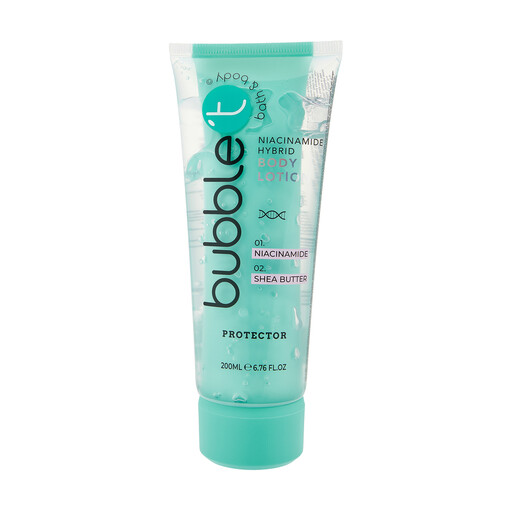
Why This Fits Their Persona: A straightforward daily body lotion for shoppers who want a 200ml format and a familiar moisturising routine without selecting several separate products.
Its product page identifies niacinamide and shea butter, but shoppers should still verify the latest label rather than relying only on front-of-pack claims.
200ml size; designed for application to clean, dry skin; includes glycerin in the listed ingredients.
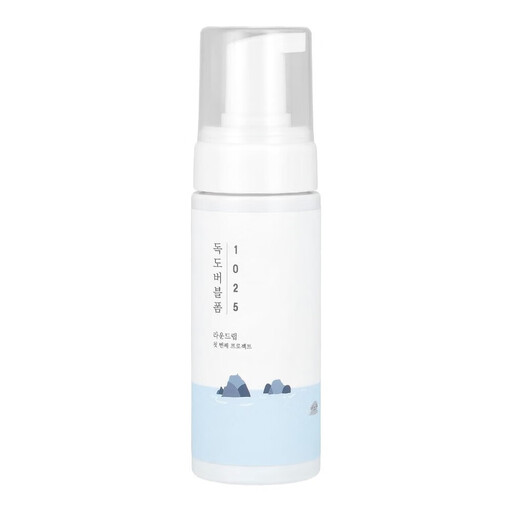
Why This Fits Their Persona: Suits shoppers looking for a Korean skincare-style facial foam cleanser with a defined cleansing format and several moisture-focused ingredients.
The listing provides a full ingredient list, including amino acid surfactants, glycerin, hyaluronic acid, panthenol and allantoin, making comparison more transparent.
Low pH positioning; pump bottle; contains hyaluronic acid and salicylic acid in the listed formula.
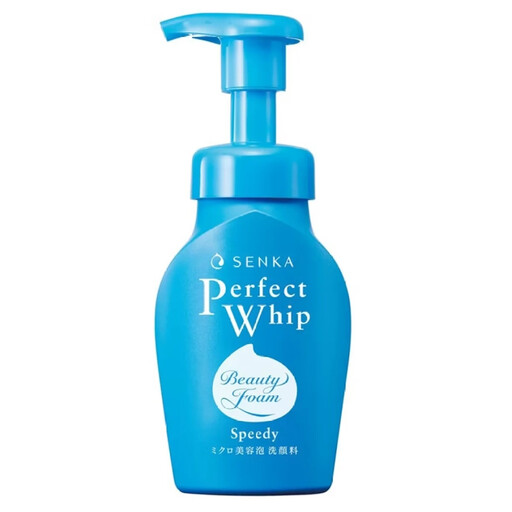
Why This Fits Their Persona: A practical option for users who cleanse regularly and prefer creating a rich, creamy lather with a small amount of product.
The directions specifically require working the cleanser with water before application, helping reduce direct rubbing during washing.
150ml tube; includes glycerin, sorbitol and sodium acetylated hyaluronate in the listed ingredients.
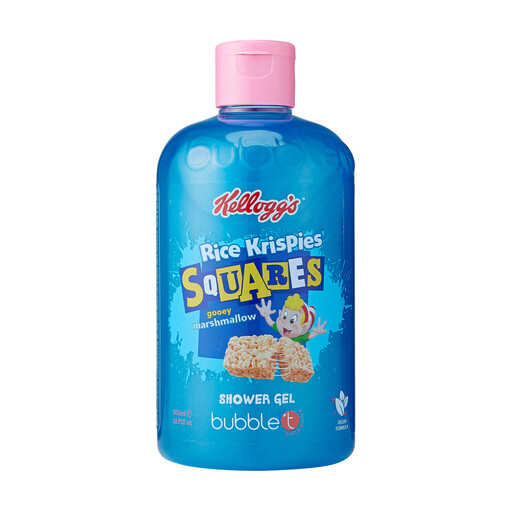
Why This Fits Their Persona: Suitable for shoppers who want a large-format Bubble T shower gel with a distinctive nostalgic fragrance for regular bathing.
Its 500ml volume is clearly stated, so shoppers can compare quantity rather than judging value by packaging size alone.
500ml bottle; contains glycerin and coco-glucoside in the listed ingredients; intended for use on wet skin.
We have compiled a complete, real-time list of products that fully satisfy these strict selection criteria and UK safety regulations.
Many people use a cleanser once or twice daily, depending on skin type, makeup, sunscreen and personal comfort. Oily skin may tolerate more frequent cleansing, while dry or sensitive skin may prefer a gentler evening cleanse. Avoid prolonged rubbing and rinse with lukewarm rather than hot water.
A low pH cleanser may be a useful option, but pH alone does not determine suitability. Check the complete ingredient list for fragrance, exfoliating ingredients and preservatives, then introduce the product gradually. A sensitive skin cleanser should be stopped if it causes irritation.
There is no single lifespan for every moisturising body lotion. Check the packaging for the open-jar symbol, batch information, storage instructions and stated shelf-life guidance. Keep lotions away from prolonged heat and direct sunlight, and avoid using a product if its smell, colour or texture changes noticeably.