
24/7 全天候客户支持

免费退货

当日/次日达

品质保障

开启新人专享福利: 全场免邮 | 低至 2 折 | 免费试用 30 天 JoyPlus 会员
下载 Joybuy
Redness-prone skin can make shopping feel unnecessarily complicated. A serum described as “calming” may still contain fragrance, while a rich cream may feel comforting at first but leave acne-prone skin congested. The right choice depends less on impressive marketing language and more on the formula, texture and intended use.
This guide from the Joybuy Product Recommendation Officer highlights common buying traps, key specifications to check and suitable options for different routines.
Plant extracts can be useful in a soothing skincare routine, but botanical ingredients are not automatically suitable for every reactive complexion. Fragrance and essential oils may also appear alongside calming plant extracts. Always check the complete ingredient list, particularly if your skin reacts to perfume or certain botanicals.
Colour-correcting creams can reduce the visible appearance of redness, but they do not replace a moisturiser or barrier-supporting product. A green-tinted BB or CC cream is mainly a cosmetic step. It may be helpful for work, social occasions or days when you want a more even-looking complexion, but it should not be treated as a treatment for an underlying skin concern.
Layering an anti-redness serum, exfoliating acid, retinoid and several masks makes it difficult to identify what is causing stinging or dryness. Sensitive skin often benefits from a simpler routine: gentle cleansing, one hydrating or soothing layer, moisturiser and daytime sun protection.
For a calming serum for irritated skin, a short, clearly listed formula is often easier to assess. Fragrance-free products may be preferable if perfume is a known trigger. However, “fragrance-free” does not guarantee that a product will suit everyone, so a patch test remains sensible.
Look for ingredients that support comfort and hydration, such as:
Ingredient order can provide useful context, although it does not predict how your individual skin will respond.
A watery essence or hydrating serum for sensitive skin may suit combination or acne-prone skin, especially under moisturiser. Gel-creams can offer hydration without a heavy finish, while richer creams may be more comfortable during colder weather or periods of dryness.
If you wear make-up, check whether the product is described as fast-absorbing or suitable for layering. Applying several heavy layers can contribute to pilling, particularly beneath foundation or colour correction.
A 30ml serum may require only a few drops per application, whereas a 100ml essence can be more suitable for generous daily use or cotton-pad masking. Check the directions and storage guidance on the packaging. Products should generally be kept closed, away from direct sunlight and used only on intact skin.
Stop using a product if you experience persistent stinging, swelling, itching or a rash. Avoid applying skincare to broken, sunburnt or severely irritated skin, and seek professional advice when symptoms do not settle.
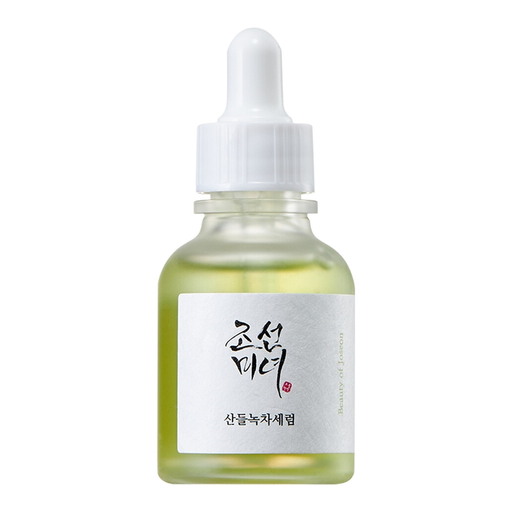
Why This Fits Their Persona: A straightforward daily serum for shoppers building a simple routine without a heavy or sticky finish. Its 30ml size is practical for morning and evening application.
The listed formula is fragrance-free and identifies its main ingredients clearly, making it easier to compare with products containing perfume.
Contains 76% green tea leaf water, panthenol, glycerin and sodium hyaluronate; its watery-gel texture is designed to absorb quickly.
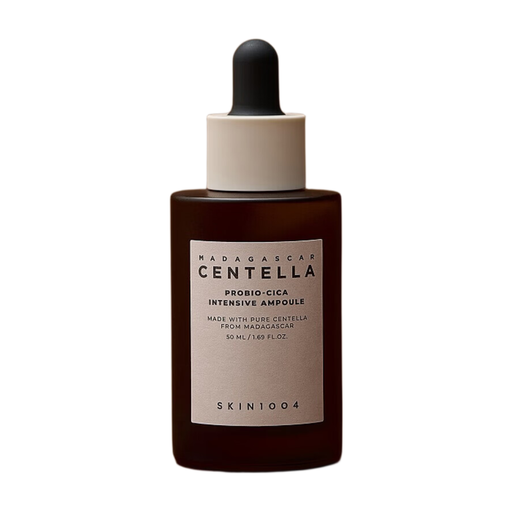
Why This Fits Their Persona: Suits shoppers seeking a more concentrated, nourishing layer for dry or stressed skin, particularly in colder UK weather.
Instead of relying only on a soothing label, it lists centella, panthenol, allantoin, ceramide NP and other barrier-focused components.
Includes fermented centella extract and five listed ceramides; the product directions recommend two to three drops followed by moisturiser.
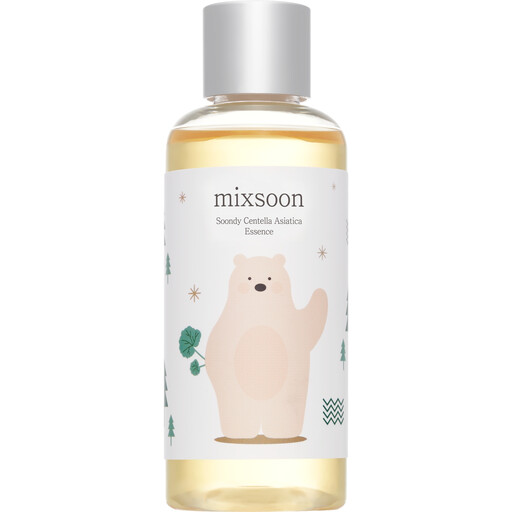
Why This Fits Their Persona: The larger 100ml format works for users who prefer generous application, repeated use or an occasional essence-soaked cotton-pad mask.
Its ingredient list contains water, butylene glycol and centella asiatica extract, without a long collection of added actives to complicate a sensitive routine.
A lightweight three-ingredient formula with directions for facial application, cotton-pad masking and use as a mist.
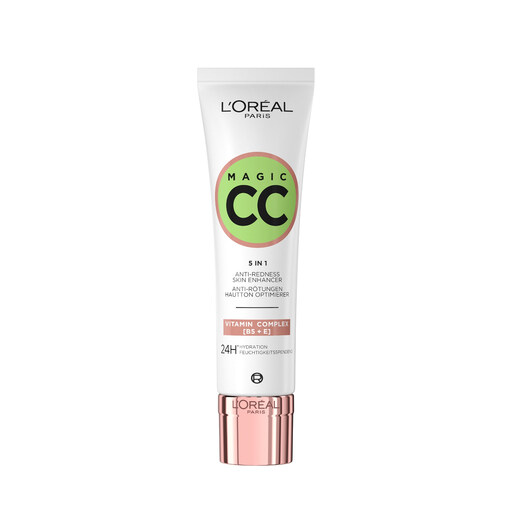
Why This Fits Their Persona: Suitable for shoppers who want visible tone adjustment during the day rather than another treatment layer, including when getting ready for work or events.
It is positioned as a colour-correcting make-up product, helping shoppers distinguish cosmetic coverage from long-term skincare support.
Contains panthenol, vitamin E and glycerin; its tone-adapting texture is designed to provide a natural-looking finish.
We have compiled a complete, real-time list of products that fully satisfy these strict selection criteria and UK safety regulations.
A practical order is:
Patch-test one new product at a time. If your skin is acne-prone, begin with a light layer and observe whether the finish feels comfortable over several uses. Avoid combining multiple strong or unfamiliar products during the same introduction period.
Look for a routine with limited potential irritants, adequate hydration and barrier-supporting ingredients such as panthenol, glycerin, centella asiatica and ceramides. Product suitability is personal, so patch testing and gradual introduction are important.
Usually, a serum is an additional lightweight layer rather than a complete replacement. If your skin feels tight after using one, apply a moisturiser afterwards to help retain hydration.
Give a simple routine time to settle, while monitoring comfort and visible changes. Stop immediately if you develop persistent stinging, swelling, itching or a rash. For ongoing or severe redness, consult a qualified healthcare professional rather than relying solely on cosmetic products.