
24/7 Customer Support

Free returns

Same-day & Next-day Delivery

Quality Guaranteed

Unlock Your Welcome Offers: FREE Delivery | Up to 80% OFF | Free 30-day JoyPlus trial
Download the APP
Navigating the world of skincare when you have sensitive skin can feel like a constant battle. A product that promises calm and hydration for one person can cause redness, itchiness and discomfort for another. The challenge is often cutting through the marketing clutter to find what genuinely works for you. As a Joybuy Product Recommendation Officer, my role is to help you identify the common purchasing pitfalls and focus on the factors that truly matter for comfortable, healthy-looking skin.
Many people with sensitive skin fall into a few common traps. Firstly, there's the "all-natural" myth; while natural skincare UK options can be excellent, ingredients like essential oils can be potent allergens for reactive skin. Secondly, many focus on "free-from" claims on the front of the bottle, overlooking potential irritants like alcohol or fragrance hidden in the full ingredients list. Finally, there's the belief that one "miracle" product can do it all, when a gentle, consistent routine is often the key.
Before you add anything to your basket, understanding a few core principles can save you time, money and discomfort. These are the non-negotiable checks to make when selecting skincare for sensitive skin.
For sensitive skin, less is often more. A long, complex list of ingredients increases the probability of including a substance that could trigger a reaction.
hypoallergenic skincare: While not a legally binding term, it indicates the manufacturer has formulated the product to minimise the risk of allergic reactions.fragrance-free skincare: "Fragrance" or "parfum" can be a cocktail of dozens of chemicals, many of which are common irritants. Unscented is not the same as fragrance-free; masking agents can be used to cover a chemical smell, which are themselves potential irritants.A good routine for sensitive skin focuses on soothing, hydrating and protecting. It's crucial to differentiate between ingredients that calm the skin and those designed for more intensive treatments.
products for irritated skin. These include oat (Avena Sativa), chamomile, panthenol (Pro-Vitamin B5) and glycerin. These ingredients help to hydrate and support the skin's barrier function. A good gentle moisturiser or body lotion for dry sensitive skin will often feature these prominently.Sun exposure is one of the biggest triggers for inflammation and sensitivity. A dedicated sun cream for sensitive skin is not just for holidays; it's a daily necessity in the UK, even on cloudy days. Formulations designed for sensitive skin often use mineral filters like zinc oxide or titanium dioxide, or have been specifically tested to reduce irritation.
Matching a product to a specific lifestyle is key. Instead of a one-size-fits-all approach, here are a few recommendations tailored to different needs.
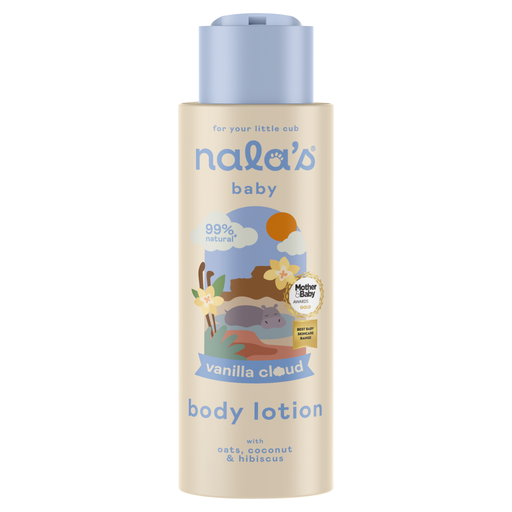
Why This Fits Their Persona: Ideal for households needing a gentle, multi-purpose lotion. It's formulated for the most delicate skin, making it suitable for newborns, children and adults with high sensitivity.
It sidesteps the "natural" trap by being both 99% naturally derived and paediatrician-approved, ensuring its gentleness is verified.
Contains soothing oat and nourishing coconut oil. Free from sulphates, parabens and alcohols.
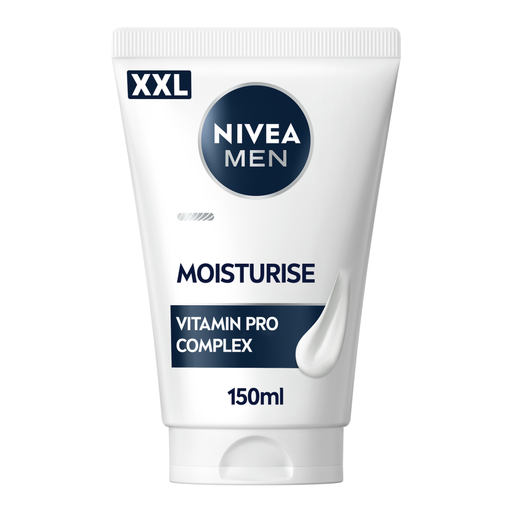
Why This Fits Their Persona: A straightforward, effective men's sensitive moisturiser for those who need quick, non-greasy hydration that won't irritate skin, especially after shaving.
It directly counters the hidden irritant trap with a fragrance-free formula that is also free from ethyl alcohol, a common cause of post-shave burning.
Lightweight, non-sticky texture. Contains soothing Chamomile and Vitamin E to relieve redness and dryness.

Why This Fits Their Persona: Perfect for anyone whose skin is prone to sensitivity from UV exposure. It provides very high, broad-spectrum protection specifically for sun-intolerant skin.
This avoids the "one-product-fits-all" pitfall by being a dedicated sun protection product, not just a moisturiser with a low SPF.
Features an anti-irritant shield complex and is sweat and water-resistant, providing robust protection during outdoor activities.
We have compiled a complete, real-time list of products that fully satisfy these strict selection criteria and UK safety regulations.
To patch test, apply a small amount of the product to a discreet area of skin, such as the inside of your wrist or behind your ear. Leave it on for at least 24 hours (or as long as the product is intended to be on the skin). If you experience any redness, itching, swelling or irritation, wash the area immediately and do not use the product.
No, the term 'hypoallergenic' is not legally regulated in the UK. It simply means the manufacturer has attempted to create a product with a reduced potential for causing an allergic reaction. It is a helpful indicator, but it is not a guarantee. Always check the full ingredient list for any known personal triggers.
A sensitive skin face wash is typically formulated without harsh surfactants like Sodium Lauryl Sulphate (SLS), which can strip the skin of its natural oils and disrupt its protective barrier. Instead, they use milder cleansing agents and often include hydrating and soothing ingredients like glycerin or rose water to clean the skin without causing tightness or irritation.