
24/7 Customer Support

Free returns

Same-day & Next-day Delivery

Quality Guaranteed

Unlock Your Welcome Offers: FREE Delivery | Up to 80% OFF | Free 30-day JoyPlus trial
Download the APP
Choosing suitable skincare and make-up products can become expensive when every label promises brighter, smoother or more hydrated-looking skin. The main challenge is separating useful product information from broad marketing language, then matching the formula to your skin type, shade and routine.
Whether you are comparing an anti-ageing serum, a dark spot corrector, a hydrating moisturiser, or everyday complexion make-up, a few checks can help prevent wasted purchases.
A serum may make skin look temporarily plumper because of hydration, while make-up can blur the appearance of redness or uneven tone. These visible effects are not the same as treating an underlying skin condition. Look for measurable information such as ingredient percentages, texture, coverage level and wear claims, rather than relying only on phrases such as “youth activating” or “glow boosting”.
BB creams, cushion foundations and tinted moisturisers may include SPF. However, the amount applied for cosmetic coverage is often less than the amount generally used for dedicated sun protection. SPF make-up can form part of a routine, but it should not automatically replace a broad-spectrum sunscreen, particularly during extended outdoor exposure.
A foundation or concealer can have the right depth but still look too pink, yellow or grey if the undertone is unsuitable. Similarly, a product described as suitable for sensitive skin may still contain fragrance, essential oils, exfoliating ingredients or preservatives that do not suit everyone. Always check the current packaging and ingredient list, especially if your skin is reactive.
For a brightening serum or dark spot corrector, check whether familiar ingredients appear high enough in the ingredient list to be meaningful. Examples include niacinamide, alpha-arbutin, vitamin C derivatives and hyaluronic acid. Ingredient position alone does not predict performance, but it gives more context than a front-label claim.
For a wrinkle smoothing serum or anti-ageing serum, hydration-supporting ingredients such as glycerin, sodium hyaluronate, squalane and peptides may help improve the appearance of dryness and fine lines. Products containing exfoliating acids or vitamin A-related ingredients require more careful introduction and consistent daytime sun protection.
Decide whether you need sheer, medium or buildable coverage. A BB tinted moisturiser is generally suited to a lighter, natural-looking finish, while concealer is more practical for targeted areas. A cushion foundation offers convenient, layerable application, whereas face powder can reduce visible shine or add light coverage.
Finish matters too:
For complexion products, compare the available shade depth and undertone rather than choosing by name alone. Test near the jawline when possible, and assess the colour in natural daylight. Men seeking discreet coverage may prefer a sheer-to-medium BB formula, while users covering dark circles or redness may need a concealer with more pigment.
Packaging also affects hygiene and value. An airless cushion cartridge can reduce repeated exposure to the product, while a compact powder is convenient for touch-ups. Check the product size, refill availability and recommended storage conditions before buying.
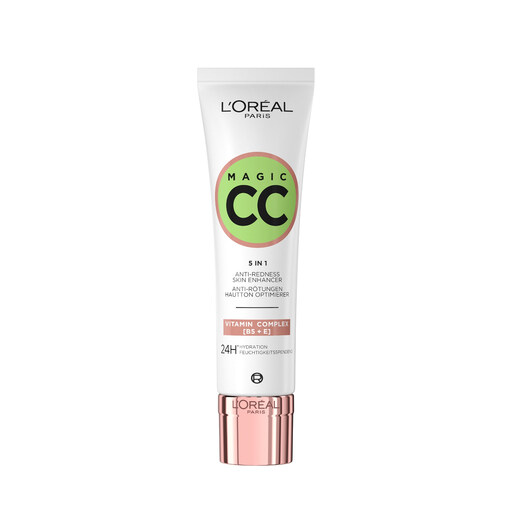
Why This Fits Their Persona: A straightforward option for shoppers wanting light everyday coverage and a simple complexion routine, including users concerned with the appearance of redness.
Its transforming texture is designed to blend towards a natural-looking finish, avoiding the heavier appearance associated with fuller foundation.
Includes vitamin B5 and vitamin E, with a stated hydration claim of up to 24 hours and dermatological-control testing.
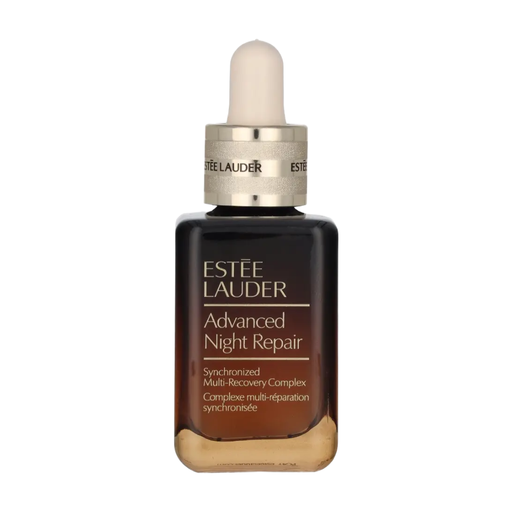
Why This Fits Their Persona: Suits shoppers building a dedicated morning-and-evening routine focused on hydration, radiance and the appearance of fine lines.
The product information identifies its texture, application order and key ingredients, helping buyers assess whether it fits their existing moisturiser routine.
Contains sodium hyaluronate, glycerin, squalane and Tripeptide-32; the oil-free serum is intended for use before moisturiser.
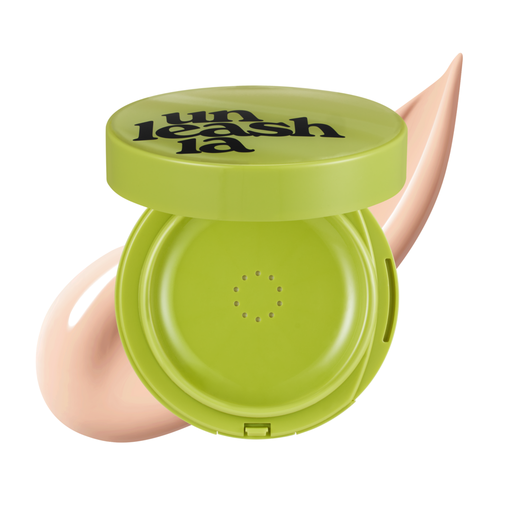
Why This Fits Their Persona: Useful for commuters and frequent make-up users who want portable application, adjustable coverage and a neutral peach shade for fair to light skin tones.
The airless packaging is designed to dispense fresh product, addressing a common hygiene concern with repeatedly used cushion formats.
Offers buildable semi-matte satin coverage, SPF 30 PA++ and a refillable cartridge format.
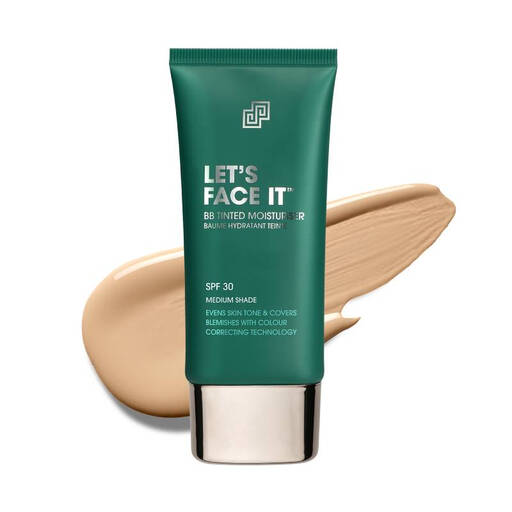
Why This Fits Their Persona: Designed for men and anyone seeking discreet, sheer-to-medium coverage with a cooling feel and a natural-looking finish.
Its coverage can be layered gradually, making it easier to avoid a visibly heavy base when only redness or uneven tone needs softening.
Contains glycerin, hyaluronic acid and vitamin E, with SPF25 and four listed shades including Medium, Dark, Bronze and Extra Light.
For dullness or uneven tone, choose one primary brightening product rather than layering several new actives at once. The Axis-Y Dark Spot Correcting Glow Serum contains 5% niacinamide and squalane, while its matching Glow Cream combines niacinamide, alpha-arbutin and ceramide NP. Using both may appeal to shoppers seeking a coordinated routine, but introduce products gradually.
For visible dryness, apply a hydrating moisturiser after serum. The Korres Black Pine Primus 6xHA Wrinkle Smoothing Youth Activator Booster uses several forms of hyaluronic acid and is designed to sit beneath moisturiser. Patch testing remains sensible, particularly for sensitive skin beauty products or formulas containing fragrance, essential oils, exfoliating acids or botanical extracts.
Vegan and cruelty-free labels should also be checked against the current product packaging or the retailer’s latest listing. These terms describe sourcing or production policies, not guaranteed suitability for every skin type.
We have compiled a complete, real-time list of products that fully satisfy these strict selection criteria and UK safety regulations.
They may be suitable, but “skincare-infused” does not guarantee compatibility. Check the full ingredient list for fragrance, essential oils, exfoliating acids and preservatives. Apply a small amount to a discreet area first and stop using the product if irritation develops.
Shelf life varies by formula, packaging and storage. Follow the period-after-opening symbol and printed expiry information where provided. Keep products away from direct sunlight and high temperatures, close containers securely and avoid sharing applicators.
SPF make-up can add protection as part of a wider routine, but it should not automatically replace dedicated sunscreen. Apply a suitable broad-spectrum sunscreen when exposure is expected, and follow the product’s application and reapplication instructions.