
24/7 Customer Support

Free returns

Same-day & Next-day Delivery

Quality Guaranteed

Unlock Your Welcome Offers: FREE Delivery | Up to 80% OFF | Free 30-day JoyPlus trial
Download the APP
Choosing skincare products can feel simple until marketing terms, ingredient lists and SPF claims make every option sound essential. UK shoppers often spend more than necessary because a product promises several benefits without explaining its texture, concentration or suitability for a particular skin type.
The most useful approach is to match the formula to your routine, check the ingredients carefully and avoid treating one product as a complete solution for every concern.
A day cream with SPF can add convenient daytime protection, but SPF15 or SPF20 should not automatically be treated as a replacement for dedicated sunscreen during prolonged outdoor exposure. Protection also depends on applying enough product and reapplying when appropriate.
A product listing may highlight a percentage of niacinamide, hyaluronic acid or exfoliating acid. However, a higher concentration is not always more suitable. Sensitive or dry skin may respond better to a simpler formula used consistently than to several powerful treatments layered together.
A rich cocoa butter body lotion may feel comfortable on dry legs and elbows but may be too heavy for an oily facial area. Likewise, fragrance, denatured alcohol or botanical extracts may not suit everyone. Always consider where the product will be used and check the current packaging for the full ingredient list.
For dry skin, look for humectants such as glycerin, hyaluronic acid and sodium hyaluronate, alongside emollients that leave a more comfortable finish. A hydrating face cream or sensitive skin moisturiser may be appropriate for tight or flaky skin.
For combination or oily skin, an oil-free moisturiser or lightweight gel can provide hydration without a heavy layer. Clinique Dramatically Different Moisturising Gel, for example, has a 125ml oil-free gel format and includes glycerin, dimethicone and sodium hyaluronate.
Niacinamide skincare is commonly selected for the appearance of uneven tone, dullness and visible pores. Brightening cream formulas may also contain alpha-arbutin, vitamin C derivatives or botanical extracts. These ingredients should be introduced gradually, particularly if your routine already contains exfoliating acids or retinoids.
A PHA exfoliating peel uses polyhydroxy acids, which are generally positioned as a gentler exfoliating option. Axis-Y PHA Resurfacing Glow Peel contains 10% gluconolactone and is used for 10–15 minutes before rinsing. Do not apply it to broken, sunburnt or irritated skin.
A 50ml facial moisturiser is convenient for daily use, while a 125ml gel may be more practical for twice-daily application. Single-use treatments, such as a five-piece hydrating sheet mask pack, are useful for occasional hydration but should not replace a consistent routine.
Check the directions, storage advice, expiry information and packaging before use. A product that remains unopened in a bathroom cabinet for too long may not deliver the intended texture or freshness.
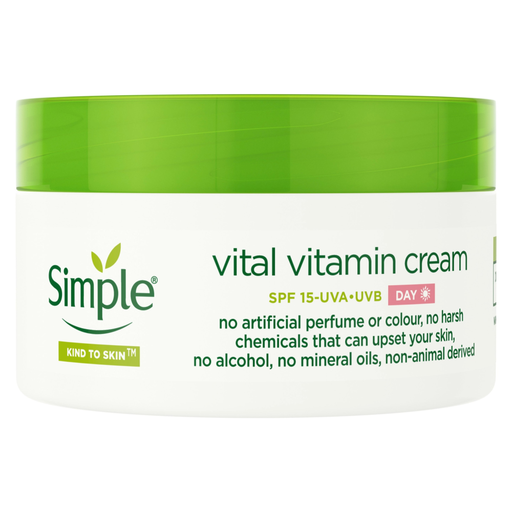
Why This Fits Their Persona: A straightforward morning facial moisturiser for shoppers beginning a daily routine, including those who prefer a lightweight cream under make-up.
It keeps the routine focused on hydration and SPF15 rather than requiring several separate daytime steps. SPF remains supplementary for extended sun exposure.
50ml size; includes glycerin, niacinamide, vitamin E and bisabolol; fragrance-free according to the product description.
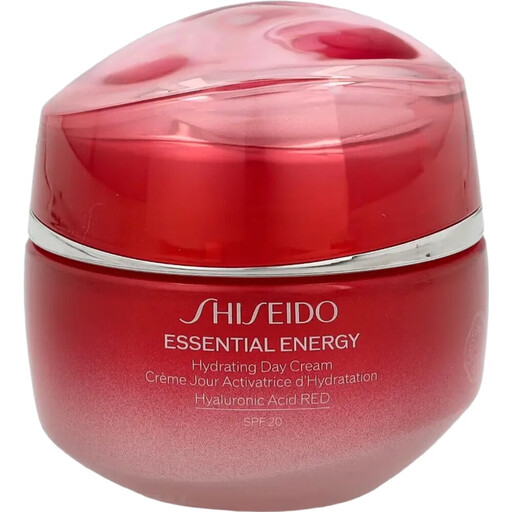
Why This Fits Their Persona: Suitable for shoppers wanting a dedicated daytime cream with a smooth, quickly absorbing texture and a mid-level 50ml format.
The SPF20 level is clearly stated, helping buyers distinguish mild daily protection from a dedicated sunscreen for longer outdoor activity.
50ml capacity; contains glycerin, sodium hyaluronate and sodium acetylated hyaluronate; lightweight cream texture.
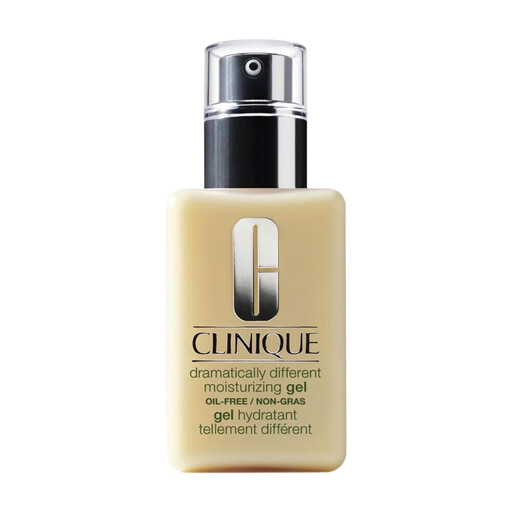
Why This Fits Their Persona: The larger bottle suits shoppers applying moisturiser morning and evening, particularly those who prefer a fresh gel finish for combination or oilier skin.
Its oil-free, fragrance-free gel format avoids the assumption that heavier cream is necessary for hydration.
125ml format; oil-free gel texture; includes glycerin, urea, trehalose and sodium hyaluronate; no added fragrance listed.
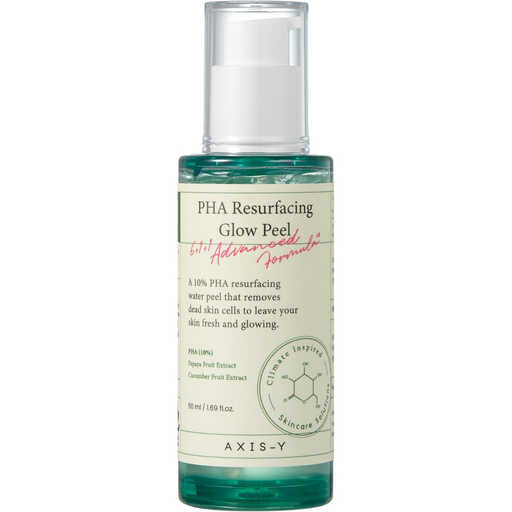
Why This Fits Their Persona: A practical choice for shoppers adding occasional Korean skincare exfoliation to address a rough-feeling or congested complexion.
The product specifies 10% gluconolactone and a 10–15-minute rinse-off method, making it easier to control frequency and contact time.
50ml tube; contains gluconolactone, glycerin, cucumber, papaya and centella extracts; vegan and cruelty-free according to the listing.
We have compiled a complete, real-time list of products that fully satisfy these strict selection criteria and UK safety regulations.
A moisturiser may cover daily hydration, but other formats suit different occasions:
Yes, most facial moisturisers are designed for daily use, provided the formula suits your skin and you follow its directions. Apply to clean skin and stop use if persistent redness, itching, burning or irritation develops.
Usage varies by size, application amount and frequency. A 50ml face cream used daily will generally be finished sooner than a 125ml gel. Follow the packaging’s expiry or period-after-opening guidance, and store products away from heat, humidity and direct sunlight.
An SPF moisturiser can offer convenient daytime protection, but SPF15 or SPF20 is not a substitute for dedicated sunscreen during prolonged exposure, strong sunlight or outdoor activities. Use a suitable sunscreen and follow its reapplication instructions when needed.