
24/7 Customer Support

Free returns

Same-day & Next-day Delivery

Quality Guaranteed

Unlock Your Welcome Offers: FREE Delivery | Up to 80% OFF | Free 30-day JoyPlus trial
Download the APP
Choosing among skincare serums can feel unnecessarily complicated. A face serum may promise hydration, brighter-looking skin, smoother texture or support for the skin barrier, yet the formula, concentration and application instructions matter more than the front-of-pack language.
UK shoppers should also consider seasonal changes, indoor heating, daily UV exposure and whether a product fits comfortably into an existing routine. The right choice is usually the serum that addresses one clear concern without creating unnecessary irritation or product overlap.
Hyaluronic acid, niacinamide, retinal and collagen appear across many product descriptions. However, the ingredient alone does not explain the whole formula. Its position in the ingredients list, supporting ingredients, texture and packaging all affect how practical the serum is to use.
For example, a hyaluronic acid serum can provide a comfortable moisture step, but it normally works best when followed by a moisturiser that helps reduce moisture loss. A brightening serum should also be paired with daytime sun protection.
Layering a niacinamide serum, dark spot serum, exfoliating acid and retinal product may sound efficient, but it can make it difficult to identify the cause of redness or discomfort. Introduce one new active at a time and patch test where appropriate.
Products containing retinal, BHA, acids or vitamin C require particular care. Avoid applying them to broken or irritated skin, follow the product directions and use sunscreen during the day.
A watery serum may absorb quickly, but that does not mean it replaces moisturiser or sunscreen. Conversely, a richer formula may be more suitable for dry skin but feel less comfortable beneath make-up. Consider when and where you will use the product, not only the advertised finish.
Look for a clear ingredient focus that matches your concern:
A stated percentage can help comparison, but it should not be treated as a guarantee of results. Check the complete INCI list before purchase, particularly if you have known allergies.
Airless pumps, sealed ampoules and opaque containers can be practical for formulas containing ingredients that may be affected by air or light. A dropper bottle may be convenient, but keep it closed and stored according to the instructions.
Check the batch number, shelf-life information and ingredients printed on the packaging, as these details may change. Do not use a product if its smell, colour or texture changes noticeably.
A face serum is normally applied after cleansing and, where used, toner. Apply a modest amount, allow it to settle, then follow with moisturiser. In the morning, finish with broad-spectrum sunscreen.
Do not assume that an SPF 50 sun serum can be used like a small-dose treatment serum. Apply enough sunscreen to the face, neck and ears, and reapply as directed. The SKIN1004 formula listed below is described as not water- or sweat-resistant, so it should not be relied upon after swimming or heavy perspiration without reapplication.
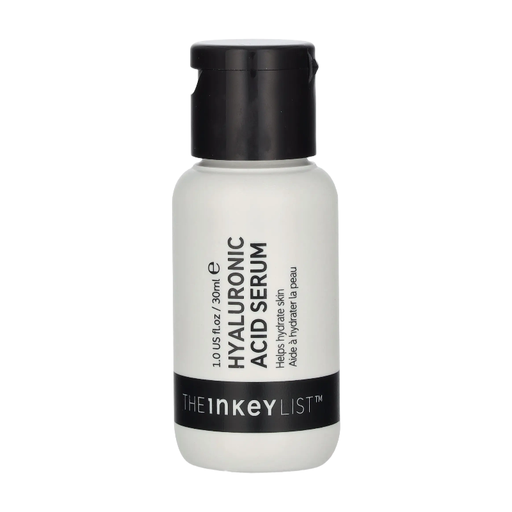
Why This Fits Their Persona: A straightforward starting point for shoppers wanting a lightweight hydrating serum that can be used morning and evening before moisturiser.
Its stated focus is hydration rather than an unnecessarily crowded combination of strong actives, making routine planning simpler.
Contains 2% multi-molecular hyaluronic acid and peptides; the listed formula is vegan, fragrance-free and suitable for layering.
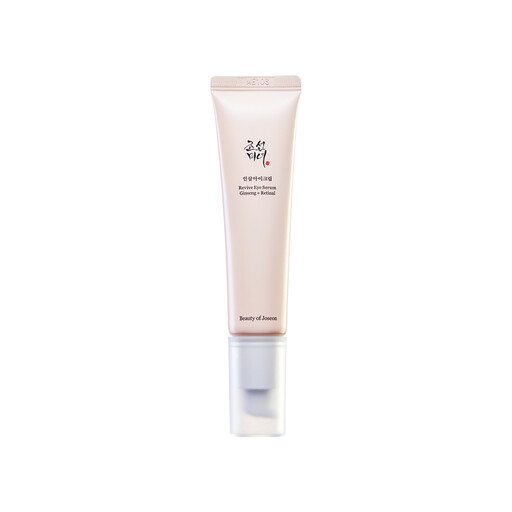
Why This Fits Their Persona: A targeted eye serum for shoppers who prefer a dedicated evening treatment for the eye contour rather than a general face serum.
The product clearly identifies retinal in the formula and provides usage and sun-exposure warnings, rather than hiding an active behind vague renewal language.
Includes ginseng, retinal, glycerin, niacinamide and ceramide NP in a lightweight gel texture.
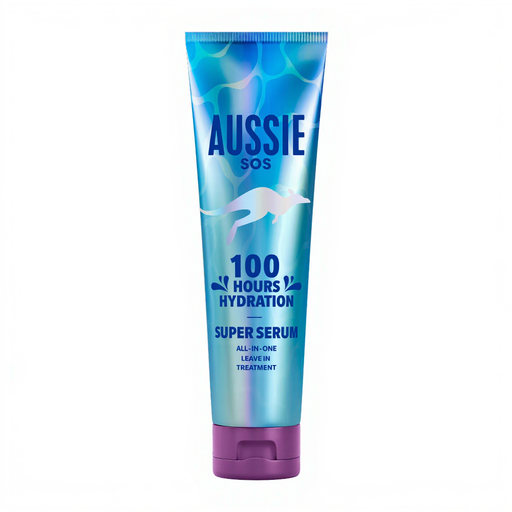
Why This Fits Their Persona: Designed for people who mean leave-in hair serum when they search for serum, especially those managing dry, damaged or frizz-prone hair.
Its instructions specify damp or dry lengths, no rinsing and avoiding the scalp, so it is not confused with a facial treatment.
The 160ml formula is intended to detangle, smooth and soften hair; it is also listed as vegan.
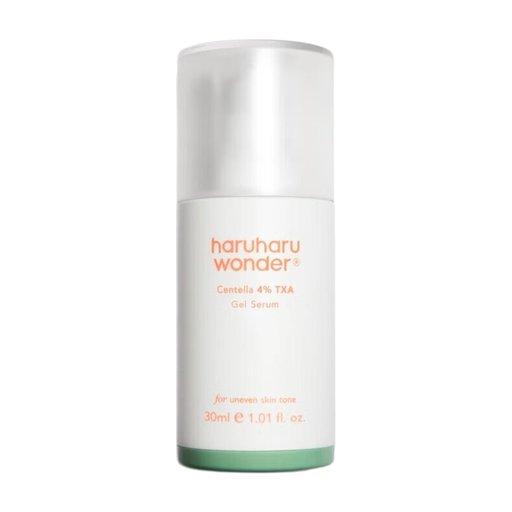
Why This Fits Their Persona: Suitable for shoppers comparing a Korean skincare serum with named brightening ingredients and a soothing centella complex.
The stated formula gives shoppers specific concentrations—4% TXA and 4% niacinamide—rather than relying only on a general glow claim.
Contains centella-derived ingredients, vitamin C derivatives and a lightweight gel texture; the listed formula is free from artificial fragrance.
We have compiled a complete, real-time list of products that fully satisfy these strict selection criteria and UK safety regulations.
A serum for dry skin commonly combines humectants such as glycerin or hyaluronic acid with moisturising ingredients such as squalane, oils or barrier-supporting lipids. Apply it before a cream or lotion to help maintain a comfortable finish, particularly during colder weather or when indoor heating is in use.
Usually, these product types can be layered, provided both formulas are comfortable for your skin. Apply the lighter texture first, then the richer one. Check each label and introduce products separately so you can identify any irritation or incompatibility.
There is no single lifespan for every formula. Follow the packaging’s period-after-opening symbol, expiry guidance and storage instructions. Keep skincare serums away from direct sunlight and excessive heat, close the cap or pump promptly, and replace a product if its appearance, smell or texture changes.