Side-sleeping talk listeners
If you start a museum talk in bed and may fall asleep on your side, ear and pillow pressure matter more than full-size headphone controls. Check the fit for yourself and set a stopping point for playback.


Choose low-profile sleep earbuds if you listen while lying on your side or might drift off wearing them; choose over-ear noise-cancelling headphones for upright listening before bed. For a spoken museum talk, check comfort, clarity at a comfortable volume and whether your app or device can stop playback on a timer. If you need to hear an alarm or another person, keep that need in mind when choosing how much outside sound to let through.
If you start a museum talk in bed and may fall asleep on your side, ear and pillow pressure matter more than full-size headphone controls. Check the fit for yourself and set a stopping point for playback.
If you finish listening before lying down, over-ear headphones are an option. Noise cancellation may help you follow narration without turning it up to compete with background sound; Royal Free London NHS Foundation Trust notes that it can reduce the urge to raise headphone volume.
If the same pair will also play daytime talks or podcasts, consider its stated battery life and whether you need to switch between devices. Those features do not resolve discomfort if you intend to listen against a pillow.
Decide whether listening continues after you lie down. That choice separates the two wearing styles more usefully than a maximum noise-cancellation claim.
Choose when: You listen on your side or may fall asleep wearing the earbuds; soundcore describes Sleep A30 as a slim, soft-silicone design intended for side-sleepers.
Trade-off: In-ear comfort depends on your ears and pillow, and a sleep-audio timer may not stop playback in your chosen museum-talk app.
Choose when: You listen upright before bed and want earcups rather than in-ear tips, with features such as ambient listening or device switching where offered.
Trade-off: A headband and full earcups get between your head and the pillow, making this a poor route to prioritise for side-sleeping.
| Concern | What to check | Who this matters to |
|---|---|---|
| Comfort against a pillow | Check the wearing style and how the earbuds or earcups sit against your pillow; assess in-ear fit personally. | If I keep listening on my side, pressure at my ear could interrupt the talk or make the fit uncomfortable. Around 36% of consumers would put pillow compatibility first. |
| Speech at a comfortable volume | Try spoken audio in your listening room with noise cancellation on, and check whether you can adjust awareness of surrounding sounds. | Background noise makes narration harder for me to follow, but I do not want to keep raising the volume. Clear speech at a comfortable level would be the primary concern for around 29% of consumers. |
| Use beyond bedtime | Compare stated playback time with ANC on and check whether the devices you use need multipoint pairing. | I use one pair for talks before bed and listening during the day, so charging interruptions or switching devices matter. That versatility would come first for around 21% of consumers. |
| Awareness and stopping playback | Confirm how your talk app or device timer works, and whether you can hear an alarm or someone who needs you. | I want the talk to stop without returning to a screen, while still hearing important sounds when necessary. Around 14% of consumers would prioritise that control and awareness. |
The headband and earcups of an over-ear pair can press against a pillow. soundcore positions Sleep A30 for side-sleepers, but its in-ear fit still needs a personal check.
Decide whether you will listen only before lying down or continue on your side, then compare noise cancellation and other features within the suitable wearing style.
For a spoken talk, understandable narration at a comfortable volume matters alongside the ability to hear an alarm or another person when needed. Royal Free London NHS Foundation Trust notes that noise-cancelling headphones can reduce the urge to turn up the volume against outside noise.
Try speech in your room and check how easily you can change the level of outside sound you hear.
A talk that keeps your attention, or repeated phone use to control it, may not suit your bedtime routine. NHS Every Mind Matters advises trying to avoid phone, tablet and computer screens for an hour before bed.
Set up the talk and a stopping timer beforehand, then put the screen away. Seek clinical advice if sleep problems are persistent or severe.
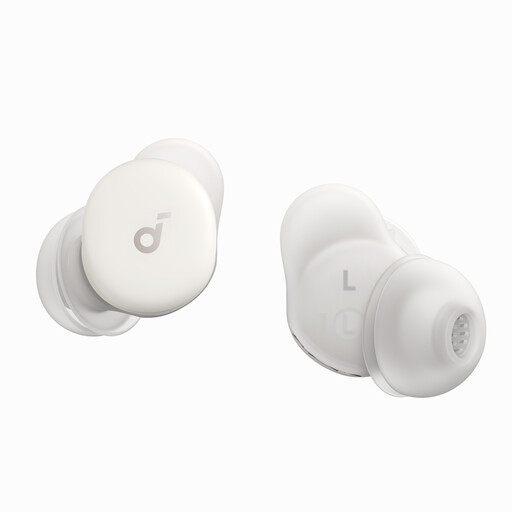
The Sleep A30 is positioned by soundcore as a slim, soft-silicone earbud for side-sleeping, with active noise cancellation and Bluetooth listening.
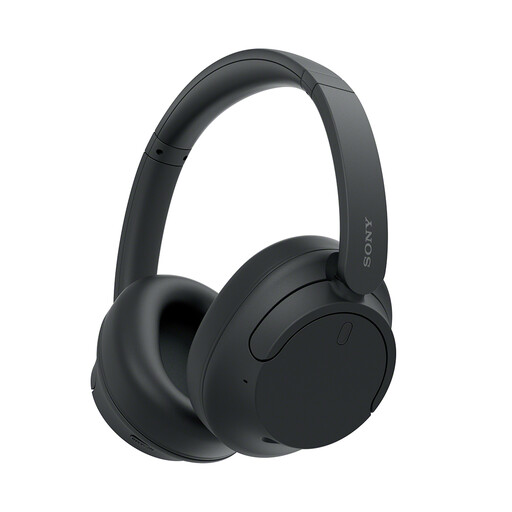
Sony's WH-1000XM6 is an over-ear option for upright listening before bed.
Bose QuietComfort Ultra Headphones offer an around-ear route for listening before lying down.
MOMENTUM 5 Wireless is an over-ear option for people who also use their headphones beyond bedtime.
These choices cover over-ear listening before bed, everyday in-ear listening and a sleep-oriented earbud design. Choose by when and how you listen rather than treating every pair as suitable for sleeping on your side.
 No image available
Consider this over-ear pair if you finish a museum talk before lying down. Check speech clarity at your preferred volume; full earcups are a poor match for listening against a pillow.
 No image available
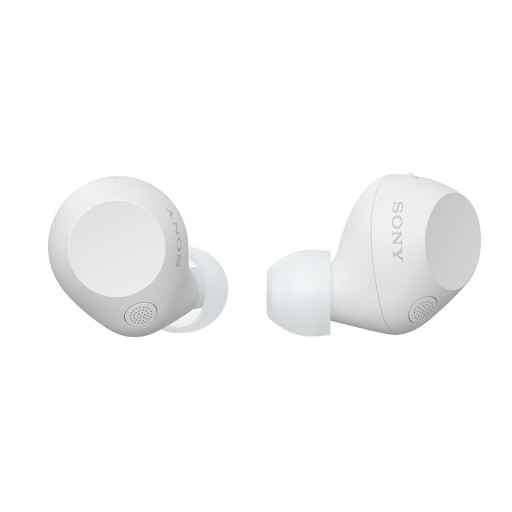
These true wireless earbuds offer an in-ear alternative for talks before bed. If you may fall asleep on your side, check the fit against your pillow and confirm that your talk app can stop playback when you want it to.
 No image available
Consider this in-ear pair if you prefer earbuds for listening before bed. Check that spoken audio is clear at a comfortable volume, and try the fit against your pillow before choosing it for side-sleeping.
 No image available
This is the sleep-oriented option to consider if a museum talk continues after you lie on your side. soundcore describes slim earbuds with soft silicone tips and lists Bluetooth 5.3 with SBC/AAC support. Check your own ear and pillow fit, and confirm how playback stops in your chosen talk app.
 No image available
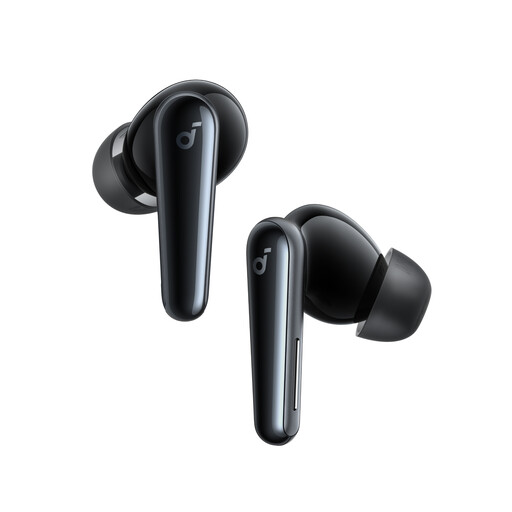
These wireless earbuds are an option for spoken listening before bed. Check their fit if you intend to lie on your side, and confirm the timer and awareness controls you need for your routine.
Choose over-ear headphones primarily for listening before you lie down: their headband and earcups can press against a pillow. soundcore positions Sleep A30 as a slimmer side-sleeper design, though your own ear shape and pillow still determine whether it feels comfortable.
Use a comfortable level at which the narration remains clear without turning it up to compete with room noise. Royal Free London NHS Foundation Trust notes that noise-cancelling headphones can reduce the urge to raise the volume to block outside sound.
Set up the talk and its stopping timer beforehand, then put the screen away if you can. NHS Every Mind Matters advises trying to avoid phones, tablets and computers for an hour before bed because screen light can make falling asleep harder.
Check the exact model and seller, and keep the order record. GOV.UK says CE marking continues to be recognised alongside or instead of UKCA in Great Britain where the relevant product-regulation requirements are met; a marking alone does not establish that a particular pair complies. Check the seller's change-of-mind terms separately from statutory remedies for faulty goods under the Consumer Rights Act 2015.