For radio comedy before sleep, start with an in-ear fit you can tolerate against your pillow and speech you can follow at a comfortable volume. A wired in-ear monitor suits a compatible bedside source if its cable and earpieces do not disturb you; consider a sleep-focused wireless earbud instead if side-sleep pressure is your main concern, or a more isolating monitor if room noise interferes and you do not need to hear sounds around you.
Who needs which fit?
Side sleepers who prioritise comfort
If you listen with an ear against the pillow, the housing, tip and cable all affect whether a fit remains comfortable. Try the available tip sizes while lying in your usual position; a compact design alone cannot establish comfort.
Dialogue-first radio listeners
If voices, timing and quieter lines are the point of listening, check whether you can follow familiar speech without turning the volume up. Sound balance and the seal both matter more to this decision than a description of bass alone.
Noise-sensitive bedtime listeners
If household sounds compete with the programme, isolating tips may be worth considering. Balance that choice against whether you need to hear an alarm, another person or a child overnight.
What matters when choosing?
Choose the listening format before comparing individual earphones: a wired monitor needs a suitable audio connection and a manageable cable, while a wireless sleep earbud needs a compatible source and charging. A strongly isolating monitor is a narrower choice for rooms where competing sound is the problem, provided reduced awareness is acceptable.
Compact wired in-ear monitor
Consider it when: Your radio or bedside device can provide wired audio and you would rather not charge earbuds.
Trade-off: The cable can shift in bed, and a conventional earpiece may press against the pillow.
Sound-isolating monitor
Consider it when: Room noise makes dialogue difficult to hear at a comfortable level.
Trade-off: A more isolating fit can also make people and alarms less noticeable.
Sleep-focused wireless earbud
Consider it when: Pressure from a conventional earpiece or its cable is your main obstacle to listening on your side.
Trade-off: You need to check charging and playback compatibility, and a sleep-oriented design still needs a personal fit test.
| Concern |
What to check |
Who this matters to |
| Comfort against the pillow |
Try the included tip sizes in your usual sleeping position; check for housing pressure and cable movement. |
If I lie on my side, I need an earpiece that does not become sore against the pillow. Around 42% of consumers put sleeping-position comfort first. |
| Speech at a comfortable volume |
Play familiar dialogue and check whether you can follow quieter lines without raising the volume. |
I want to catch the words and comic timing without making the programme louder than is comfortable; roughly 33% of consumers prioritise dialogue clarity. |
| Isolation and awareness |
Test the seal at a comfortable volume and decide which sounds in the room you still need to hear. |
When household noise masks the programme, I want less competing sound, but may still need to notice someone nearby. About 25% of consumers make noise reduction their primary concern. |
Bedtime listening pitfalls
-
Assuming a small earpiece will suit side sleeping
A compact shell or a choice of tips does not tell you how the earphone will feel against your pillow.
Check the retailer’s return terms, try each included tip size while lying down, and stop using a fit that causes pressure or soreness.
-
Choosing maximum isolation without considering the room
Passive isolation can reduce competing sound, but it can also make an alarm or another person harder to notice.
Decide how much awareness you need overnight before choosing strongly isolating tips; do not treat the highest attenuation claim as a bedtime target.
-
Turning up the volume to make dialogue clearer
More volume does not resolve an uncomfortable fit or unwanted room noise, and prolonged loud listening can put hearing at risk.
Set a comfortable level while the room is quiet, then check fit and competing noise rather than repeatedly increasing the volume in bed.
-
Overlooking the audio connection
A wired earphone is useful only if your radio, phone or bedside player can send audio through its connector.
Check the device output and, if you need an adapter, confirm that it carries audio and fits both devices before buying.
Brands to consider
These models illustrate different fit and isolation approaches; a brand name alone cannot settle pillow comfort or source compatibility.
Sennheiser
Sennheiser lists the wired IE 200 with a 3.5 mm plug, adjustable ear hooks and a choice of silicone and memory-foam tips.
- The tip options and ear hooks give listeners several ways to test the IE 200’s fit.
- A 3.5 mm audio connection is needed, and its shape does not guarantee comfort against a pillow.
Shure
Shure describes the wired SE215 as an over-ear, sound-isolating monitor with a detachable 3.5 mm cable and several sleeve sizes.
- Shure claims up to 37 dB of passive isolation for the SE215; the effect of the seal will depend on fit.
- That isolation needs careful consideration if hearing people or alarms overnight matters to you.
Etymotic
Etymotic positions the wired ER2XR as a high-isolation earphone with emphasised bass relative to its reference-tuned alternatives.
- Etymotic claims 35–42 dB of passive attenuation for the ER2XR, making fit and required room awareness central checks.
- Its tip style may not suit every listener, particularly when an ear rests against a pillow.
Joybuy product choices
These choices include wired in-ear earphones and wireless sleep earbuds for bedtime radio listening. Match the connection to your player, then assess speech and fit in the position in which you listen.
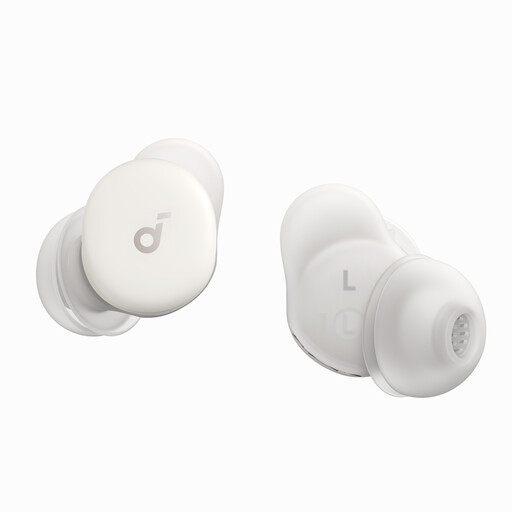 Image unavailable
Soundcore Sleep A30 Earbuds with Active Noise Cancellation and Snore Masking
Consider these sleep-focused earbuds if avoiding a wired earpiece is important to your bedtime setup.
The product name lists active noise cancellation and a snore-masking feature. Test the fit against your pillow and whether you can still hear sounds you need to notice.
View on Joybuy
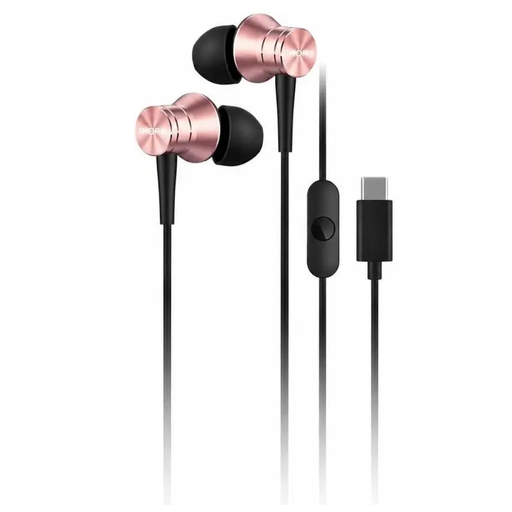 Image unavailable
1MORE Piston P10 Type-C Wired Earphones (Pink)
These are a wired option if your bedside device provides compatible USB-C audio.
The Type-C connection is stated in the product name; check your particular device before buying. Try the earpieces while lying down and make sure the cable does not pull when you turn.
View on Joybuy
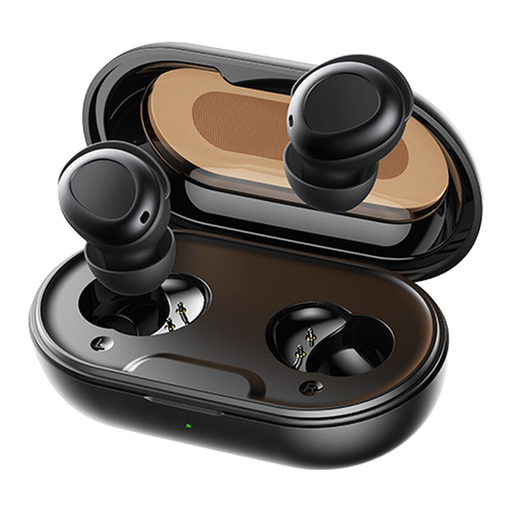 Image unavailable
REMAX SleepBuds Z1 Wireless Earbuds (Black)
Consider this wireless sleep-earbud format if a cable gets in the way when you settle down.
Check that your playback device can connect to the earbuds. Test comfort in your usual position and check whether the playback duration suits your listening session.
View on Joybuy
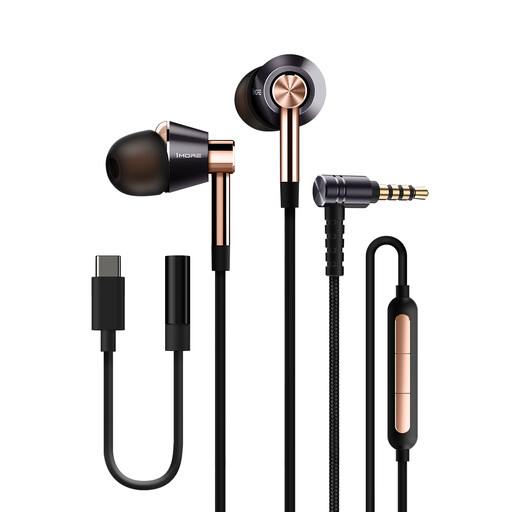 Image unavailable
1MORE E1001 Triple Driver Wired Earphones (Gold)
These suit consideration if you want a wired in-ear option and can test it with your usual spoken-word programme.
The product name specifies a triple-driver design and a MEMS microphone. Check the connector against your player; driver count alone does not tell you how clearly dialogue will sound at a comfortable volume.
View on Joybuy
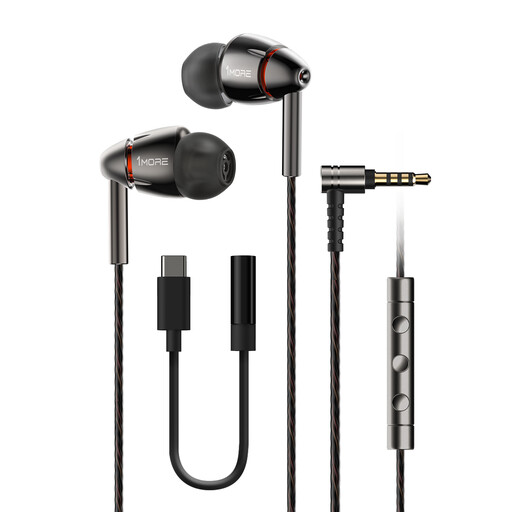 Image unavailable
1MORE Quad Driver Wired Earphones with In-Line Remote (Black)
Consider these for wired listening if an in-line remote is useful with your playback setup.
The product name specifies a quad-driver design and an in-line remote. Confirm the connector fits your device, then check dialogue at a comfortable volume and whether the earpieces press against your pillow.
View on Joybuy
Questions about bedtime listening
Can I wear conventional in-ear monitors while sleeping on my side?
Possibly, but a compact housing and interchangeable tips do not prove that an in-ear monitor will feel comfortable against your pillow. Test it in your usual position; if pressure is the main problem, compare it with a sleep-focused earbud rather than assuming a smaller conventional monitor will solve it.
How loud should radio comedy be before sleep?
Keep it at the lowest level at which you can follow the dialogue comfortably. Royal Free London NHS Foundation Trust advises against listening above 60% of a device’s maximum volume, but that setting is not a guarantee of safety across different devices and recordings.
Do I need a 3.5 mm socket for a wired in-ear monitor?
You need a compatible audio output for the model you choose. Sennheiser specifies a 3.5 mm plug for the IE 200, and Shure specifies a 3.5 mm cable for the SE215; if your player lacks that socket, check whether a suitable audio adapter works with it before buying.


