
24/7 Customer Support

Free returns

Same-day & Next-day Delivery

Quality Guaranteed

Unlock Your Welcome Offers: FREE Delivery | Up to 80% OFF | Free 30-day JoyPlus trial
Download the APP
A warm, fragrant cup of herbal tea can be a comforting end to a long day. For many in the UK, this simple ritual is a cherished way to unwind and prepare for a restful night. However, with so many "sleep tea" options on the shelves, it's easy to choose a blend that doesn't quite meet expectations. Many products promise relaxation but fall short due to their formulation or ingredients.
As the Joybuy Product Recommendation Officer, my role is to help you navigate the market. This guide will highlight common pitfalls to watch for and break down the key factors to consider, ensuring your next cup of bedtime tea is a genuinely relaxing one.
Before you buy, be aware of a few common issues that can lead to a disappointing purchase:
To make a more informed choice, focus on these three practical parameters. They will help you find a high-quality, effective herbal tea for sleep.
While many herbs can be part of a relaxing tea, a few are consistently found in blends formulated for the evening. Look for these on the ingredient list:
This may seem obvious, but it's a critical checkpoint. Ensure the product is explicitly labelled as a caffeine-free night-time tea. Most herbal infusions are naturally free from caffeine, but always double-check that the blend does not contain any true tea leaves (from the Camellia sinensis plant), such as black, green or white tea, unless they are specifically decaffeinated.
A quick scan of the ingredient list can reveal a lot about a tea's quality. For a blend to be effective, the primary relaxing herbs should be listed at or near the beginning. If chamomile is the first ingredient, you know it's the most abundant component. If it's listed after flavourings and fruit pieces, you're likely getting more filler than function.
Based on these practical criteria, here are a few recommendations matched to different preferences.
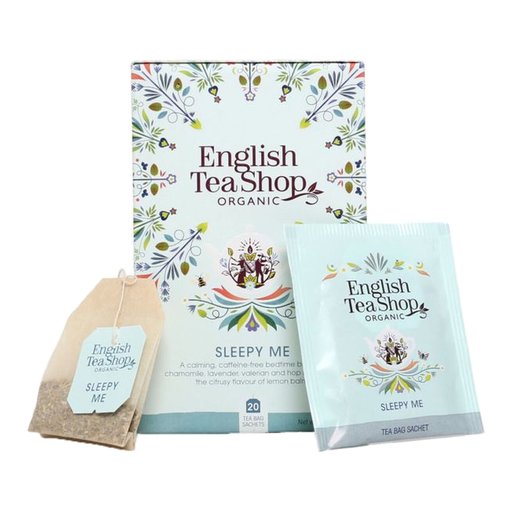
Why This Fits Their Persona: This is an ideal choice for those who prioritise organic ingredients and a classic, time-tested formula. The blend is straightforward and focuses on well-regarded herbs for a pure and simple evening ritual.
It avoids the potency mismatch pitfall. Chamomile is the main ingredient at 62%, followed by other key herbs like lavender, hops and valerian, ensuring a functional blend rather than a flavoured one.
Certified organic ingredients. A harmonious blend of four classic relaxing herbs.
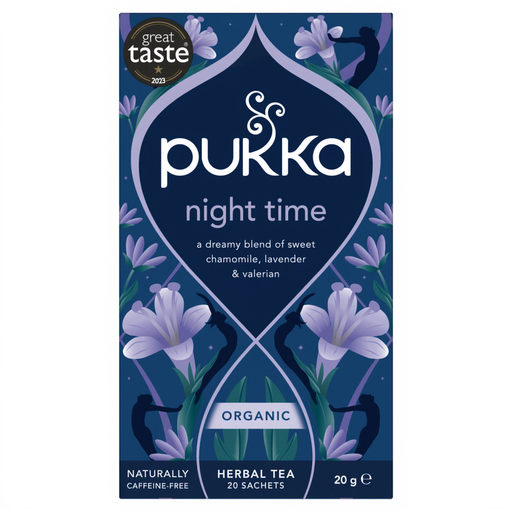
Why This Fits Their Persona: For those nights when you need a little extra help to switch off, this blend combines a wider array of herbs, including oat flower, lavender and valerian, designed to create a deeply soothing experience.
This blend avoids the "sleepy illusion" by using a thoughtful combination of herbs traditionally used for relaxation. The inclusion of valerian root and lavender flower demonstrates a clear intention to create a functional night-time brew.
A complex, multi-herb blend featuring valerian. Ethically sourced, organic ingredients.
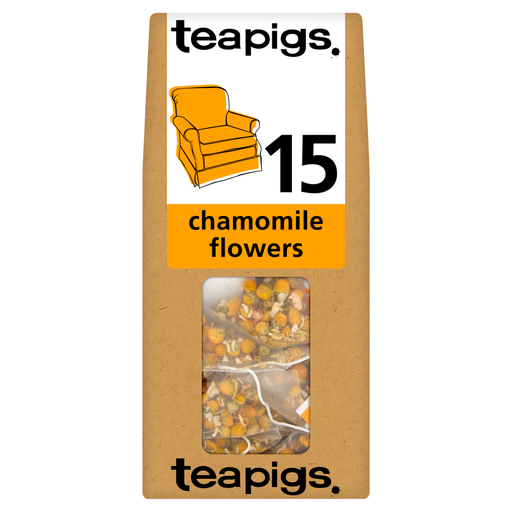
Why This Fits Their Persona: Perfect for those who prefer a single-ingredient, no-fuss approach. If you want to enjoy the pure, unadulterated taste and qualities of chamomile, a whole-flower tea is an excellent choice.
This product completely avoids all three pitfalls. It is 100% chamomile flowers, so there are no misleading names, no filler ingredients and no artificial additives. What you see is exactly what you get.
Single, pure ingredient (100% chamomile flowers). Uses whole flowers, which can provide a more complex and full-bodied flavour than tea dust.
We have compiled a complete, real-time list of products that fully satisfy these strict selection criteria and UK safety regulations.
For most people, drinking a cup of sleep tea around 30 to 60 minutes before you plan to go to sleep is ideal. This gives the body time to absorb the herbal compounds and allows the warm, soothing ritual to help you mentally unwind.
For most simple herbal teas like pure chamomile or peppermint, daily consumption is generally fine for most people. For more potent blends, particularly those containing valerian root, some sources suggest it may be beneficial to use them when needed rather than every single night or to take occasional breaks. It is always a good practice to listen to your body and see what works for your routine.
When considered on a per-cup basis, sleep teas are a very affordable self-care practice. A box of 20 tea bags can cost less than two coffees from a high-street chain. It's a small, simple investment in creating a peaceful and consistent end-of-day ritual.