
24/7 Customer Support

Free returns

Same-day & Next-day Delivery

Quality Guaranteed

Unlock Your Welcome Offers: FREE Delivery | Up to 80% OFF | Free 30-day JoyPlus trial
Download the APP
Buying sliced beef can make a quick meal considerably easier, particularly when you are preparing hotpot, Korean BBQ or a midweek stir-fry. However, thin slices are not automatically suitable for every recipe. The cut, fat content, pack size, origin and storage instructions all affect the final result.
For UK households, the main choice is often between convenient frozen beef slices for quick cooking and larger cuts intended for stews or braising. Use this guide to avoid common buying traps and select beef that matches how you actually cook.
Thinly sliced beef may look similar across product listings, but different cuts behave differently. Rib eye and short rib slices can cook quickly in simmering broth, while flank and shank may have firmer fibres that suit either a brief cooking time when very thinly cut or a longer simmer when sold as larger pieces.
Check the stated cooking methods rather than relying only on the product photograph. A product labelled for beef for stir-fry may not have the same texture as a roll designed for shabu shabu.
Terms such as Wagyu, Angus or “premium British beef” can indicate a particular breed or origin, but they do not tell you everything about portion size, fat distribution or intended use. A 150g pack of heavily marbled beef may suit a special dinner for two, whereas a 400g or 1kg pack is more practical for a family gathering.
Look for objective information including cut name, net weight, country of origin, ingredients and storage temperature. For example, a product made from 100% beef provides a clearer ingredient declaration than a seasoned product containing salt or other additions.
Frozen sliced beef needs careful handling. Most products in this guide state that they should be kept at -18°C or below, should not be refrozen after thawing and should be cooked thoroughly. Some can be separated after partial thawing for hotpot, while others recommend complete thawing before pan-frying.
Do not leave meat at room temperature for extended periods. Defrost in the refrigerator where possible, keep raw beef separate from ready-to-eat food and follow the instructions on the packaging.
The thinner the slice, the faster it cooks. Avoid overcooking delicate rolls, as they can become dry or tough.
Fat affects flavour, mouthfeel and cooking behaviour. For a richer broth or BBQ, look for visible marbling or a stated balance of lean meat and fat. Lower-fat slices may be preferable for everyday meals, especially when served with a rich sauce.
Nutrition panels can help compare products. For example, the listed rib eye hotpot slices contain 18g fat per 100g, while the Kinda Hotpot Beef Slice lists 4.5g fat per 100g. These are measurable differences, but they should be considered alongside the cooking method and your preferred texture.
A small pack is convenient for trying a cut or serving a couple of people. Larger packs can reduce the need for multiple purchases when making hotpot for a family, dinner party or catering event.
Check whether the product is 100% beef or includes salt. Origin also varies across the range, including United Kingdom, China, Italy, Spain and other stated sources. Choose according to your preference and budget rather than assuming origin alone guarantees a particular eating experience.
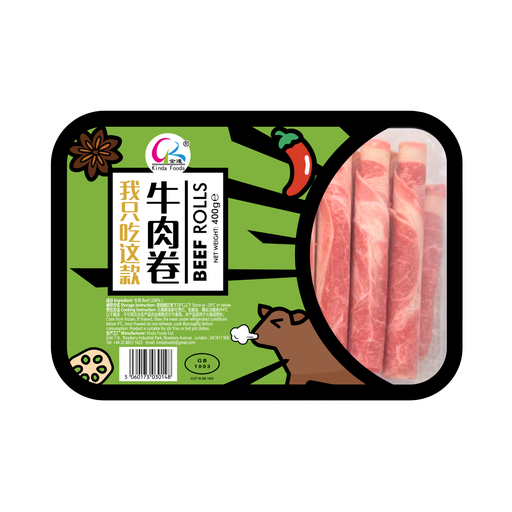
Why This Fits Their Persona: The 400g pack provides a practical starting point for home hotpot, rice bowls, stir-fries and barbecues without committing to a smaller speciality pack.
The listing states uniform machine-sliced pieces and gives clear frozen storage instructions, helping avoid uneven cooking and uncertain handling.
400g net quantity; listed for hotpot, stir-fry, BBQ and beef rice bowls; 20g protein per 100g.
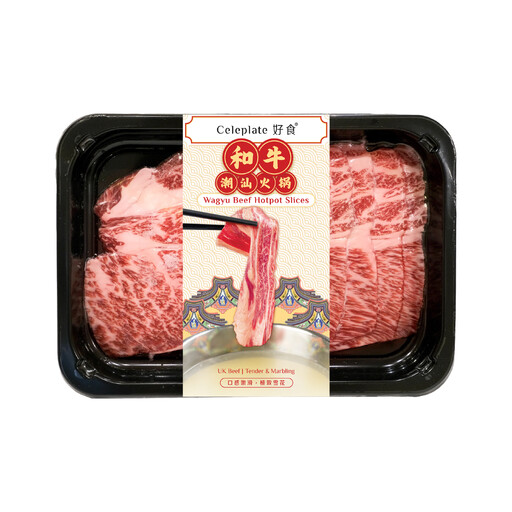
Why This Fits Their Persona: A smaller portion of UK Wagyu hotpot slices suits a special meal, tasting menu at home or intimate sukiyaki and shabu shabu evening.
The listing specifies approximately 1.5mm slicing, 150g quantity, UK origin and frozen storage, rather than relying on a premium label alone.
UK Wagyu beef; designed for 5–10 seconds in simmering broth; suitable for sukiyaki and shabu shabu.
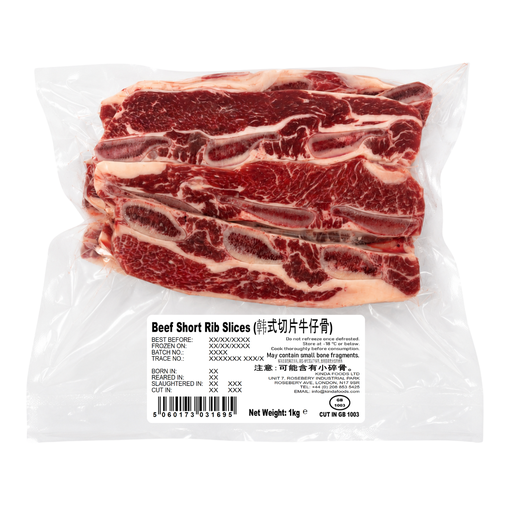
Why This Fits Their Persona: The family-size pack is suited to frequent Korean BBQ cooking, larger households, dinner parties, restaurants and catering preparation.
The listing clearly states a 1kg net weight, 100% beef ingredients, UK origin and suitability for grilling and quick stir-frying.
1kg pack; short rib cut; pre-sliced Korean-style; suitable for BBQ, grilling and stir-frying.
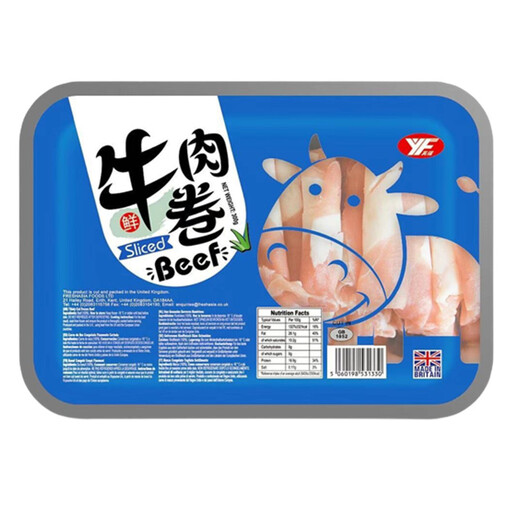
Why This Fits Their Persona: Uniform thin rolls are convenient for quick hotpot, noodle soup, stir-fry and smaller weekday meals where preparation time matters.
The product description identifies thin, uniform rolls and gives a 300g net quantity, making portion planning clearer.
Thin, uniform rolls; 300g pack; suitable for hotpot, quick meals and stir-fries.
We have compiled a complete, real-time list of products that fully satisfy these strict selection criteria and UK safety regulations.
Very thin rib eye or Wagyu slices may cook in around 5–10 seconds in simmering broth, according to the relevant product instructions. Other products specify 15–60 seconds. Cook until the beef changes colour and is fully cooked, following the label rather than using one time for every cut.
Some products can be cooked from frozen, while others recommend thawing first. Check the packaging. For better browning, fully thaw beef intended for stir-fry, pat it dry and cook in batches over high heat.
The products listed here commonly advise refrigerating thawed beef and consuming it within 48 hours. Always follow the specific packaging instructions, keep the refrigerator cold and do not refreeze thawed meat.