Hosts catering for mixed groups
A small range of plain and flavoured mixers lets guests make soft drinks as well as mixed drinks, without expecting everyone to bring or use a spirit.


For a self-catering cottage, choose mixers separately from any alcoholic or alcohol-free drink guests might add: a light tonic changes the mixer choice, not the alcohol by volume (ABV) of the finished drink. A plain soft-drink option, a classic or lower-calorie tonic and a different flavour give guests several routes without relying on a spirit substitute. If someone must avoid alcohol completely, check the labels of the exact products you offer; choose cans for intermittent use and larger bottles when a group is likely to finish them.
A cottage drinks selection has to work for guests making different choices about alcohol, not just for people mixing spirits.
A small range of plain and flavoured mixers lets guests make soft drinks as well as mixed drinks, without expecting everyone to bring or use a spirit.
A standalone soft-drink choice matters more than a light or lower-calorie label. Drinkaware cautions that products described as alcohol-free can contain small amounts of alcohol, so check the exact label before offering a substitute spirit to someone who needs complete avoidance.
A mixer served on its own or with a checked low- or no-alcohol alternative gives guests another choice. The ABV of anything added still matters; changing only the mixer does not reduce the alcohol in a standard-strength spirit.
Decide what guests can drink without additions, then choose flavours and pack sizes around likely group use.
| Priority | What to check | Your needs |
|---|---|---|
| Alcohol content | Check the stated ABV of any substitute spirit or other drink added to a mixer. For complete avoidance, check the exact product labels rather than relying on an alcohol-free description alone; Drinkaware notes that such products can contain small amounts of alcohol. | I want a soft drink guests can choose without adding a spirit. If I also offer an alcohol-free substitute, I need to check its label before suggesting it to someone avoiding alcohol completely. |
| Flavour choice | Consider a plain option alongside classic tonic and one different flavour, such as a flavoured tonic or ginger ale. Treat a manufacturer’s pairing suggestion as a suggestion for that particular combination, not a guarantee about every substitute. | Some guests may prefer soda on its own; others may want the flavour of tonic or ginger ale without using standard-strength alcohol. |
| Calories and ingredients | Compare nutrition and ingredient labels on the exact packs. A light, slimline or low-calorie mixer describes the mixer, not the ABV of a drink made with an added spirit. | I want guests to be able to distinguish a lower-calorie mixer from a lower-alcohol drink, and to see the ingredients in the product they will use. |
| Pack format | Match cans or larger bottles to expected use. The cited Tesco Groceries listings show both 12 × 150 ml Schweppes Slimline cans and 1 L bottles in the tonic and soda range. | For changing guest preferences over short stays, I would rather open individual cans. A larger bottle makes more sense when a group is likely to use it. |
A lower-calorie tonic can still be mixed with a standard-strength spirit. The mixer’s label does not establish the ABV of the finished drink.
Describe each mixer by its flavour and labelled characteristics, and check the ABV of anything guests might add.
Drinkaware explains that drinks described as alcohol-free may contain small amounts of alcohol. That distinction matters when a guest needs to avoid alcohol completely.
Keep a standalone soft-drink choice and check the stated ABV of the exact substitute before offering it for that purpose.
Where a short stay involves different tastes, a less-used flavour may remain in an opened bottle.
Use larger bottles for mixers a group is likely to finish and consider cans for occasional or varied choices.
Part-used bottles can leave a host with flat mixer to discard after guests leave.
Licensing depends on the property’s UK nation and how alcohol is provided. GOV.UK guidance says selling or supplying alcohol in England and Wales requires a licence or other authorisation; its Scotland guidance lists serving alcohol, even free of charge, as licensable activity. Northern Ireland has separate rules for businesses selling alcohol, according to nibusinessinfo.co.uk.
Before supplying alcoholic drinks, including in a welcome package, ask the licensing authority or relevant licensing body for the property’s location how the arrangement is treated.
These ranges illustrate different mixer flavours and formats; a brand’s presence here does not establish which products a particular cottage can obtain.
Its tonic range includes classic and flavoured light variants for hosts considering more than one tonic profile.
Tonic, slimline tonic and soda provide familiar choices where a cottage needs both plain and tonic-based drinks.
Its flavoured tonics and ginger ale offer routes for guests who want a more distinctive soft drink or mixer.
Classic and zero-sugar Indian Tonic Water cans are formats to consider when guests use separate portions.
Its own-label tonic range includes plain and flavoured lower-calorie choices.
These tonic and ginger ale options give a holiday cottage portioned mixers in different flavours. They are mixer choices, not a determination that a finished drink is low alcohol or suitable for someone avoiding alcohol completely.
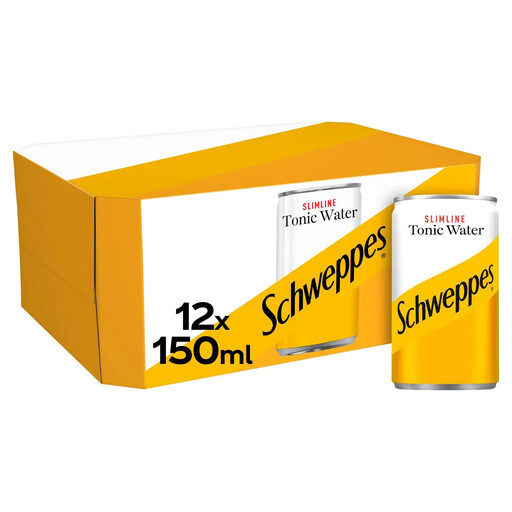 No image available
The individual tonic cans suit stays where guests may want separate serves rather than an opened bottle. Check the pack label, and check the ABV of anything added before describing a finished drink as low alcohol.
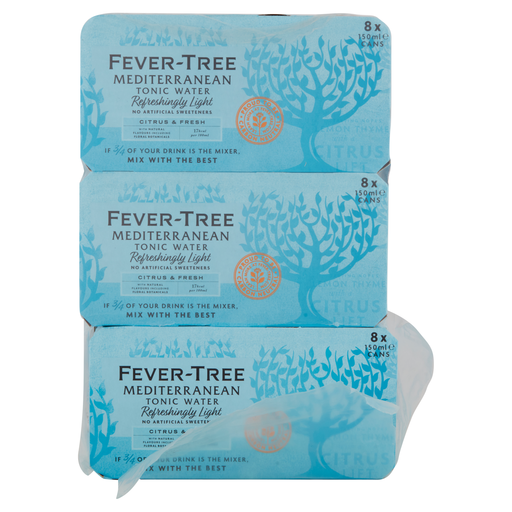 No image available
This Mediterranean tonic provides a different flavour choice in individual cans. Its light designation concerns the mixer, not the alcohol content of anything added; check exact labels when a guest needs to avoid alcohol completely.
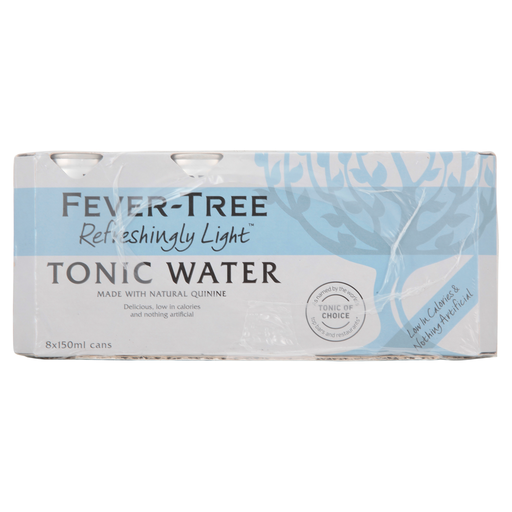 No image available
This tonic comes in individual cans for guests who prefer a classic tonic route. Check the exact pack for ingredients and nutrition information, and assess the ABV of any drink added separately.
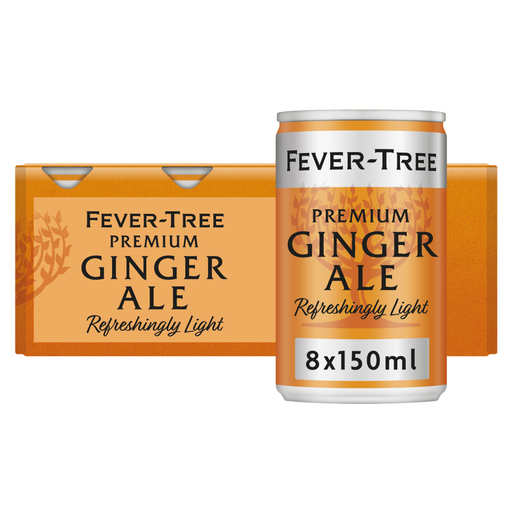 No image available
Ginger ale gives guests a flavour choice other than tonic, with individual cans for separate serves. Check the product label for its exact characteristics; the light designation does not establish the ABV of a mixed drink.
 No image available
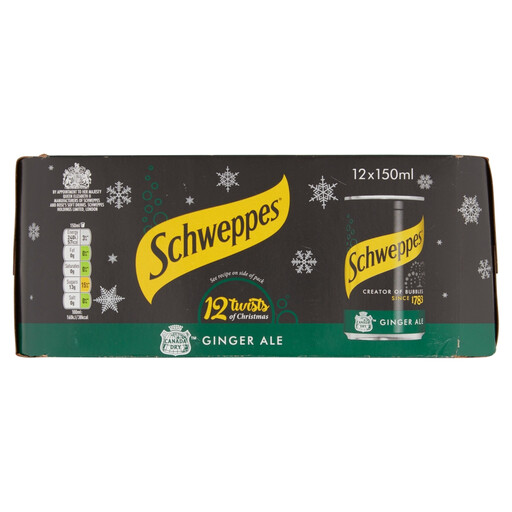
This ginger ale offers another portioned choice that can be served on its own or used as a mixer. Check the current pack before comparing its energy value with other drinks, and check labels before offering any drink for complete alcohol avoidance.
No. A slimline or lower-calorie description concerns the mixer; the alcohol content of a finished drink also depends on what is added. Check the stated ABV of any spirit or substitute separately.
Yes. Drinkaware explains that products described as alcohol-free can contain small amounts of alcohol. If a guest must avoid alcohol completely, check the exact product’s stated ABV rather than relying on the category name.
Start with a plain soft-drink option, a classic tonic and a different flavour such as ginger ale; add a lower-calorie tonic if that distinction is useful to guests. Choose cans for intermittent or varied use, and larger bottles when a group is likely to finish them.
A substitute spirit is an optional addition, not a replacement for a standalone soft-drink choice. Check its stated ABV, ingredients and allergen information before offering it, particularly when a guest needs to avoid alcohol completely.
Check the licensing position for the property and the proposed arrangement before supplying alcohol. GOV.UK says selling or supplying alcohol in England and Wales requires a licence or other authorisation, while its Scotland guidance lists serving alcohol even free of charge as licensable activity. Northern Ireland has separate rules for businesses selling alcohol, as set out by nibusinessinfo.co.uk; ask the relevant licensing authority or body about the property’s circumstances.