Hosts making several green juices at once
You want to serve friends without repeatedly stopping to empty the machine or make another small batch.


Choose a slow juicer if leafy greens and a less frothy drink matter more than serving speed; choose a centrifugal juicer if getting several glasses ready quickly is the priority. For either type, check the juice collector, pulp container, cleaning steps and instructions for consecutive use before relying on it for guests.
You want to serve friends without repeatedly stopping to empty the machine or make another small batch.
Kale, celery, spinach or other fibrous ingredients are central to your recipe, so the machine’s intended ingredient range matters.
You want fresh juice for guests but also need the filter, removable parts and pulp disposal to be manageable afterwards.
Start with the type of juicer that suits your ingredients and serving pace. Then check whether its capacity and cleaning routine work for the number of drinks you plan to make.
Consider it when: Leafy greens are central to the drinks and you prefer a less frothy result.
Trade-off: The pressing process can take longer when you need several servings.
Consider it when: You want to prepare several drinks quickly, particularly with hard fruit or vegetables alongside greens.
Trade-off: The juice can be frothier; check the exact model’s guidance for your leafy ingredients.
| Concern | What to check | Who this matters to |
|---|---|---|
| Serving without repeated stops | Check juice-collector and pulp-container capacity, plus instructions for larger batches. | When friends are waiting for drinks, I want to keep serving rather than pause to empty the machine. Around 31% of consumers put an uninterrupted serving workflow first. |
| Handling leafy greens | Confirm that the exact model’s instructions cover your greens and identify any required filter or attachment. | If kale or celery is the main ingredient, I need a machine intended to process it, not just hard fruit. Roughly 25% of consumers make leafy-green handling their primary concern. |
| Cleaning after guests leave | Look at filter access and the stated cleaning method for removable parts. | After making several drinks, I would rather not spend a long time clearing fibrous residue from a sieve. Around 25% of consumers prioritise an easier clear-down. |
| Features for occasional use | Compare the included attachments and warranty terms with the drinks you will actually make. | If I only bring out the juicer when friends visit, I want the functions I will use without adding unnecessary attachments to store and clean. About 19% of consumers put that practical fit first. |
A citrus juicer is intended for fruit such as oranges and lemons, not the broader range of produce in a typical green juice.
Check that the exact machine is intended for the leafy greens and other ingredients you plan to use.
A wider chute may reduce cutting, but ingredients still need preparing in line with the model’s instructions.
Read the manual’s ingredient and maximum-use guidance before planning several consecutive servings.
Pulp disposal, filter cleaning and interruptions can affect how smoothly you serve a group. Which? assesses cleaning separately in its juicer testing.
Check how to empty the machine and reach the filter, and plan where the pulp will go.
Claims made with different ingredients or comparison machines do not establish how models will perform with your recipe.
Use comparable independent tests where available, and check each model’s ingredient guidance rather than treating a nutrient claim as a reason to choose it.
Ninja’s JC151UK is a cold-press option for hosts considering a greens-led juicing routine.
The EVO820S is a slow-juicer option for hosts who want to reduce ingredient cutting.
The Juice Expert 3 may suit hosts making different kinds of drinks for different guests.
Philips offers both masticating and centrifugal juicers, so the product type matters more than the brand name alone.
The Nutri Juicer Cold BJE430SIL is a centrifugal model to consider when preparing drinks quickly is the main concern.
This centrifugal juicer is a choice to assess if you want to prepare green juice for friends and are weighing serving pace against clean-up.
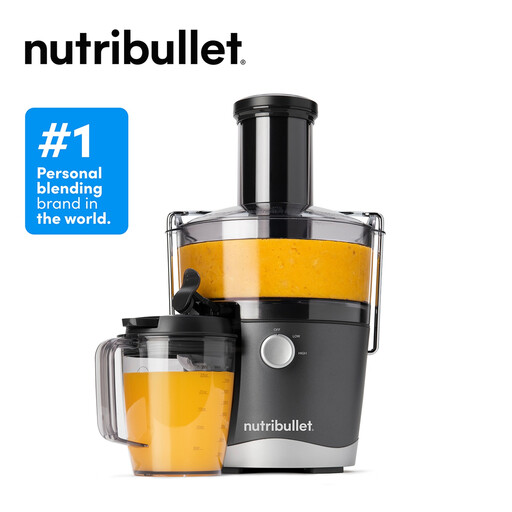 No image available
For serving green juice to friends, assess how the juice collector and cleaning routine fit the number of glasses you plan to make.
The product name specifies an 800 W rating, a 1.5 L pulp basin and a 3-inch feed chute. Pulp capacity does not tell you how much juice the collector holds.
Before buying, confirm the plug and voltage configuration for UK use, which parts are dishwasher-safe, and the instructions for consecutive batches.
No. A slow juicer is worth considering when fibrous greens and a less frothy drink matter most, while a centrifugal juicer may suit a host who needs several drinks ready quickly. Check the exact model’s ingredient guidance either way.
Check the juice collector, pulp container and instructions for larger batches, then consider how often you will need to stop and empty the machine. Magimix, for example, advises regularly emptying the Juice Expert bowl when making larger quantities.
Follow the model’s cleaning instructions promptly, paying particular attention to its strainer or filter. Check which exact parts can go in a dishwasher rather than assuming every removable component can.
No. A brand’s nutrient or extraction claim should not be treated as a comparable result across different machines or recipes. For green juice served to friends, focus on ingredient suitability, the amount you need to make and the work involved in cleaning.