Hands-off weekday stew cooks
If you prepare stew earlier in the day and serve it later, a timer and automatic keep-warm function may matter more than extra cooking modes. Check how the exact model behaves when its cooking programme ends.


Choose a dedicated digital slow cooker if your main aim is to make beef stew with a timer and automatic keep-warm function. Size the bowl for the stew you usually make, rather than your largest occasional batch. If browning beef in the cooking vessel matters more, consider a searing-pot model or multi-cooker, but check hob compatibility, controls and cleaning instructions for the exact model.
If you prepare stew earlier in the day and serve it later, a timer and automatic keep-warm function may matter more than extra cooking modes. Check how the exact model behaves when its cooking programme ends.
If you like to brown beef and soften vegetables before slow cooking, a removable pot suitable for your hob can save a transfer from a frying pan. Hob compatibility varies by model.
If you routinely make stew for several people or planned leftovers, compare your recipe volume with the cooker’s fill guidance. Allow for the storage space a larger bowl needs, too.
Start with your usual stew quantity, then decide whether scheduled cooking or browning in the same pot will make the bigger difference to how you cook.
| Concern | What to check | Who this matters to |
|---|---|---|
| Meal timing | Check the timer range and whether the cooker switches to keep-warm automatically when cooking ends. | If I prepare stew well before dinner, I want to know what the cooker will do at the end of its programme. Roughly 40% of consumers put hands-off timing first. |
| One-pot browning | Check whether the removable pot can be used on your type of hob and whether its parts can go in the dishwasher. | Browning beef without transferring it between pans matters when I want fewer cooking steps and less washing-up. Around 30% of consumers make that their primary concern. |
| Batch size | Compare your usual recipe volume with the bowl capacity and the manufacturer’s fill instructions. | When I cook for family or make leftovers, I need enough stew without overfilling the bowl. For approximately 30% of consumers, capacity is the main priority. |
A serving count does not tell you whether your regular beef-stew recipe fits the bowl. Crock-Pot describes a 3.5 L model as serving 3–4 people, while an NHS Borders recipe booklet gives 4–6 portions from recipes using a 3.5 L cooker.
Compare your recipe volume with the appliance instructions. NHS Borders advises filling a slow cooker between one-half and three-quarters full.
A bowl that does not fit your usual recipe may mean changing the quantity or cooking more than one batch.
The Morphy Richards 3.5 L Sear & Stew pot can be used for searing on a hob, but Morphy Richards states that it is not suitable for induction hobs.
Check the exact model’s hob compatibility before choosing it to brown beef in the cooking pot.
With an incompatible hob, browning would still require a separate suitable pan.
Which? reports differences in usability among the slow cookers it tested and found that many had casings that became too hot to touch.
Check independent usability information where available, follow the model’s handling instructions and plan a suitable place for it while cooking.
These brands offer different approaches to stew cooking; compare the features and restrictions of individual models rather than treating a brand name as a specification.
Crock-Pot has dedicated digital slow cookers in different sizes as well as multi-cookers.
Its Sear & Stew line is relevant if browning ingredients in a removable cooking pot is part of your routine.
Ninja is a brand to consider if you are comparing multi-cookers with dedicated slow cookers.
These choices include searing-pot and conventional slow cookers in 3.5 L and larger capacities. Compare their controls and hob restrictions with the way you prepare and serve beef stew.
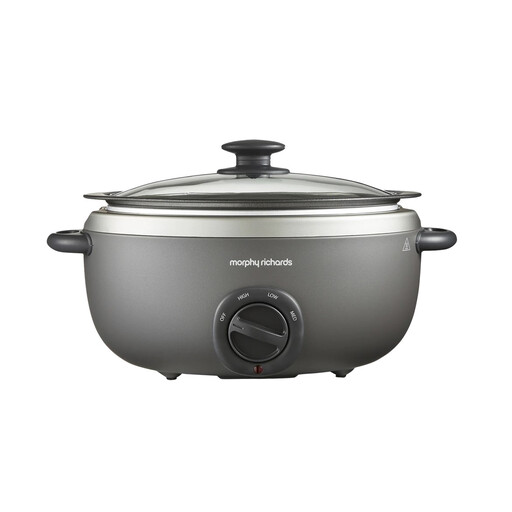 No image available
Consider this 6.5 L model if you make larger batches and want to sear ingredients in the cooking pot. Its pot is not suitable for induction hobs; check the fill instructions against your usual recipe.
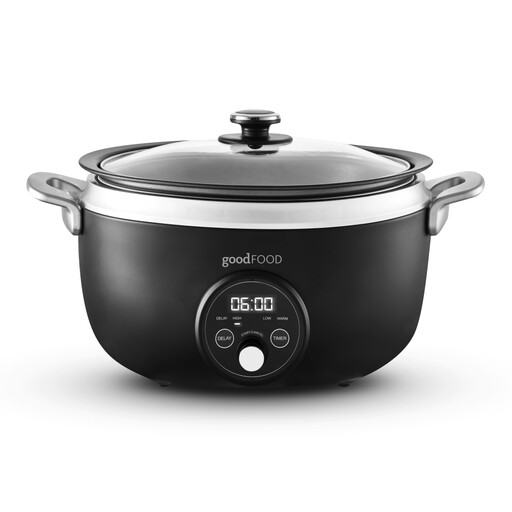 No image available
This 3.5 L model combines a removable aluminium pot with an LED display, delay function and timer. If a particular finish time matters, check the timer range and what happens when cooking ends. The pot is not suitable for induction hobs.
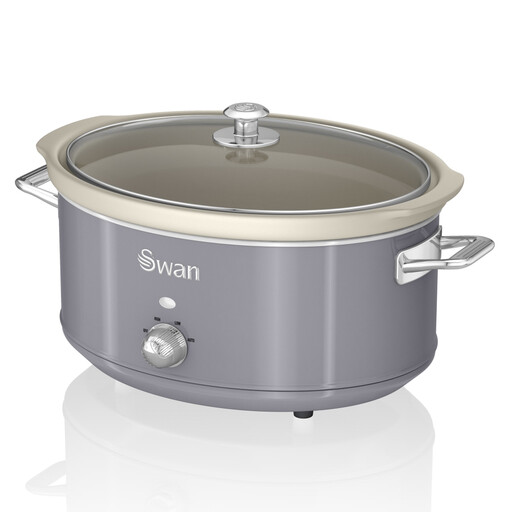 No image available
The 6.5 L capacity is worth considering for regular larger batches. The title lists three temperature settings and a keep-warm function; check how keep-warm is selected if you need the cooker to change modes without your intervention.
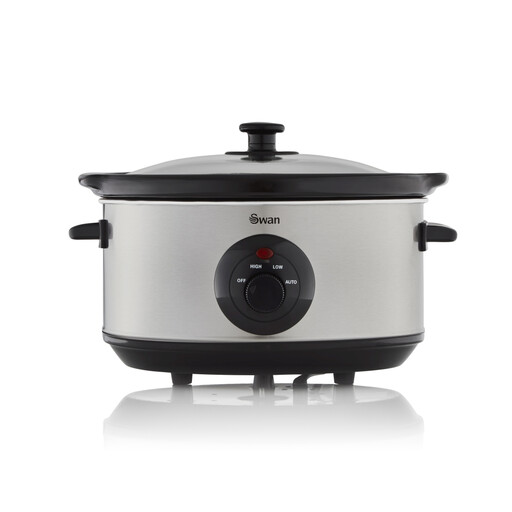 No image available
Consider the 3.5 L oval bowl if it fits the quantity of stew you normally make. The title specifies three cooking settings; check the exact controls if a scheduled finish is important.
 No image available
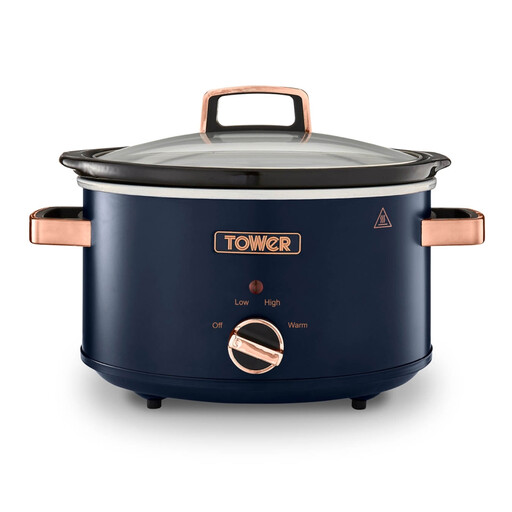
This 3.5 L model is an option when you want a removable pot and three heat settings for a regular stew batch. Check its controls separately if you need a programmable finish time.
Choose a bowl that fits your usual recipe within the appliance’s fill guidance, rather than relying on a serving label alone. Crock-Pot describes one 3.5 L model as serving 3–4 people, while NHS Borders gives 4–6 portions for recipes using a 3.5 L cooker; NHS Borders advises filling the bowl between one-half and three-quarters full.
No: a searing pot is a choice for cooks who want to brown beef or sauté vegetables in the same vessel before slow cooking. Check your hob type first; Morphy Richards states that its 3.5 L Sear & Stew pot is not suitable for induction hobs.
Follow your recipe and appliance instructions for the quantity you are cooking. NHS Borders gives an example of 8–10 hours on low or 4 hours on high for beef stew in a 3.5 L slow cooker; the time for another recipe or appliance may differ.
Follow the recipe and appliance instructions, handle raw meat hygienically, and check that the stew is steaming hot and cooked all the way through before serving. The Food Standards Agency’s 2026 report on home food-safety practices tracks thorough cooking and raw-meat handling as distinct considerations.