Couples with limited cottage space
If you are making cabbage soup for one or two, a smaller cooker may be easier to accommodate in the kitchen. Lakeland positions its cited 1.5L model for modest portions.


For one or two people with little kitchen space, start with a compact 1.5L slow cooker; a 3.5L model gives a small group more room for soup and leftovers. Lakeland positions its cited 1.5L model for one or two people, while Crock-Pot positions its cited 3.5L models for small groups. If serving time may change, compare timer and keep-warm controls; consider a 6.5L model for a larger batch only if the cottage has room for it.
If you are making cabbage soup for one or two, a smaller cooker may be easier to accommodate in the kitchen. Lakeland positions its cited 1.5L model for modest portions.
If you want several servings or leftovers without choosing a large batch cooker, compare 3.5L models. Crock-Pot describes its cited models as serving a small group.
If a walk or day out makes serving time uncertain, check how the cooker handles timed cooking and keeping food warm. The cited Lakeland and Crock-Pot digital models offer different timing controls.
Choose a bowl size for the number of diners and the space available, then decide whether timing controls or easier washing-up would change which model you buy.
| Concern | What to check | Who this matters to |
|---|---|---|
| Capacity and space | Compare bowl capacity, external dimensions and the number of diners the maker associates with the model. | I want enough cabbage soup for everyone without giving scarce worktop space to a larger cooker than I need. Around 40% of consumers put capacity and space first. |
| Meal timing | Check the cooking-timer range, whether keep-warm starts automatically and what any delay setting actually does. | If I might return to the cottage later than planned, I want to know how the cooker handles the end of cooking. Timing flexibility is the primary need for around 30% of consumers. |
| Preparation and cleaning | Check whether the bowl and lid are dishwasher safe; if you plan to sauté vegetables in the pot, check its hob compatibility. | I would rather spend less time washing up after soup, and I may want to prepare vegetables in the same pot. Around 20% of consumers put preparation and cleaning first. |
| Simple controls | Compare the available heat settings and how the model switches to or selects keep-warm. | If I will manage the finish time myself, I want controls I can use without setting a programme. Simple operation comes first for around 10% of consumers. |
A larger bowl is useful when you intend to make more soup, but it also needs worktop and storage space during a short stay.
Decide how many servings you want before moving from a compact or 3.5L cooker to a 6.5L model.
Hob compatibility depends on the exact pot. Morphy Richards states that the pot on its cited 6.5L Sear & Stew model is not suitable for induction hobs.
If you want to sauté vegetables in the slow-cooker pot, check the model instructions and the cottage hob type before relying on that method.
A keep-warm setting alone does not tell you whether a cooker can delay its start, count down a cooking period or switch modes automatically.
Check each control separately against your plans for preparing and serving the soup, and follow the appliance instructions for holding food.
Damage to electrical equipment is a safety concern. The Health and Safety Executive advises removing equipment from use when checks reveal signs such as exposed internal wires or overheating marks.
Inspect the cooker, plug and cable before use. Do not use damaged equipment or attempt an unqualified repair; tell the host if a supplied cooker is affected.
Lakeland offers the cited 1.5L digital and 3.5L manual models for different serving sizes.
The cited 3.5L models offer a choice between digital timing and a manual Sizzle & Stew format.
The cited 6.5L Sear & Stew model is aimed at larger meals and batch cooking.
These choices include 3.5L slow cookers for several servings, a 5L multi cooker with slow-cook settings, and a 6.5L slow cooker to consider when making a larger batch. Match the cooker to your party size, mealtime plans and cottage kitchen.
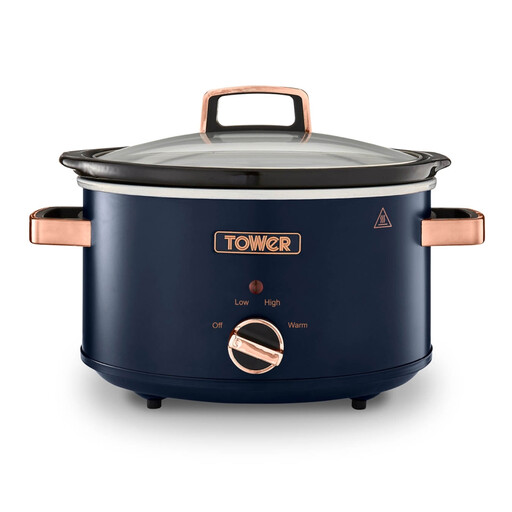 Image unavailable
Consider this size for several servings of cabbage soup without moving to a large-batch cooker.
Its title specifies three heat settings, a removable pot and cool-touch handles. Check its external dimensions against your available space and its control behaviour if serving time may change.
 Image unavailable
Consider this if you want a 5L multi cooker for soup rather than a dedicated slow cooker.
The named functions include slow cooking and soup making. Check its instructions for your intended recipe and confirm pot compatibility before planning to use it on a hob.
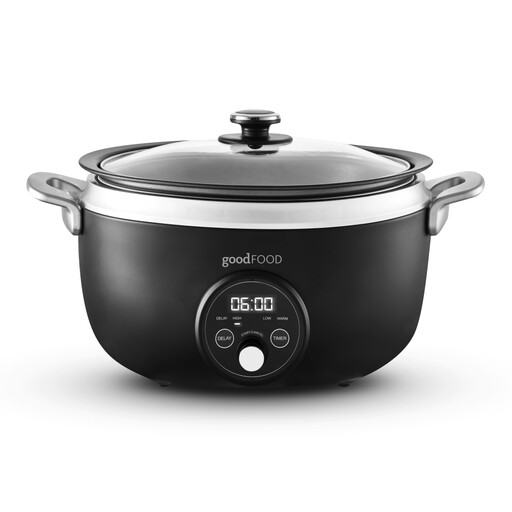 Image unavailable
This 3.5L model is worth comparing when you need several servings and want timing controls.
Its title lists a 170W rating, LED display, delay function and timer. Check the timer range and keep-warm behaviour against your schedule; verify the cottage hob type before using the pot to sear ingredients.
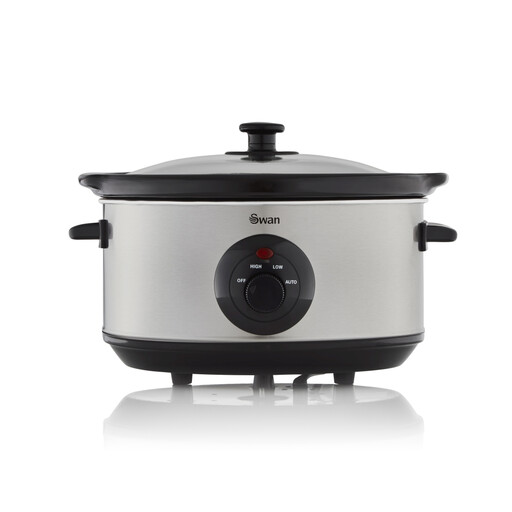 Image unavailable
Consider this 3.5L cooker for a small group when straightforward heat settings are a priority.
The title specifies a 200W rating and three cooking settings. If you expect to be away at the planned finish time, check whether its controls provide the timing and keep-warm behaviour you need.
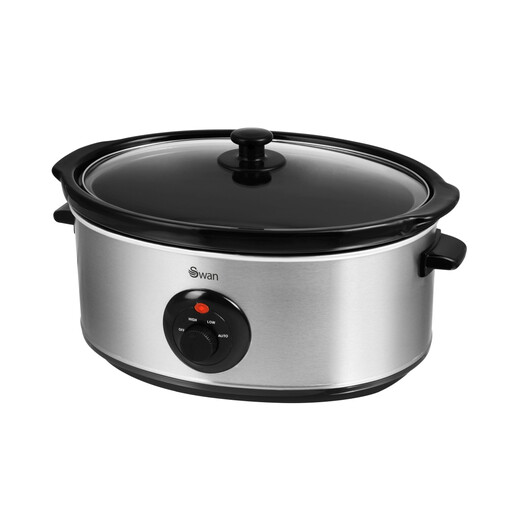 Image unavailable
Consider the 6.5L capacity when cooking cabbage soup for a larger group or an intentional batch, rather than choosing it by default for a couple.
Check the cooker’s external dimensions against the cottage worktop and storage space. Verify pot compatibility if you want to sauté vegetables on the hob.
Choose for the number of diners and the space available: a compact 1.5L model is a starting point for one or two people, 3.5L suits a small group, and 6.5L is worth considering for a larger batch. Those serving-size descriptions come from the cited Lakeland, Crock-Pot and Morphy Richards models, not a guarantee that every recipe yields the same number of portions.
A timer is worth considering if you need to set a cooking duration rather than manage the finish time yourself. Crock-Pot states that its CSC113X has a 30-minute-to-20-hour timer and switches automatically to Keep-Warm; check the exact behaviour of any other model you are considering.
Only use the pot on a hob if the instructions for that exact model permit it and the cottage hob is compatible. Crock-Pot states that the CSC085X bowl works on gas and electric hobs, while Morphy Richards states that its cited 6.5L Sear & Stew pot is unsuitable for induction.
Check the appliance, plug and cable for visible damage before use, whether the cooker is yours or supplied by the cottage. The Health and Safety Executive advises taking electrical equipment out of use when signs such as exposed wires, a damaged connector or overheating marks are present; notify the host if supplied equipment is affected.