Small-batch cooks in shared flats
If you usually make stew for one or two, cupboard space may matter as much as bowl capacity. Crock-Pot describes its 2.4L CSC061 as serving one to two people and being easy to store.


For canned haricot-bean stews made for one or two people, start with a compact slow cooker; a 3.5L model makes more sense if you regularly cook several portions. In a shared kitchen, check the space it takes up, how its bowl is cleaned and whether its controls suit your meal timing. Reserve a larger or multi-function cooker for regular batch cooking or functions you will use.
If you usually make stew for one or two, cupboard space may matter as much as bowl capacity. Crock-Pot describes its 2.4L CSC061 as serving one to two people and being easy to store.
If kitchen time and washing-up are shared, a timer and easy-to-clean parts may help. Crock-Pot documents these features on selected digital models; check them on the particular cooker you choose.
If you regularly cook for others or save portions, a larger bowl may be useful. Instant Pot also lists a sauté/sear function on its 7.1L Superior Slow Cooker for those who want to prepare ingredients in the same appliance.
Decide how many portions you normally make before choosing controls or extra cooking functions. Then check how the cooker will fit, be cleaned and be used safely alongside housemates.
| Concern | What to check | Who this matters to |
|---|---|---|
| Capacity and storage | Compare the bowl capacity and stated serving guidance with your usual portions, then measure the available worktop and cupboard space. | If I normally cook a small stew, I need a cooker that fits away after use rather than a bowl sized for occasional guests. Roughly 29% of consumers would make capacity and storage their primary concern. |
| Timing and clean-up | Check the exact model for a timer, keep-warm setting and removable dishwasher-safe parts; these features vary. | When housemates need the kitchen at different times, I want to plan when the stew finishes and clear up without occupying the sink for long. Around 29% of consumers would put coordination and clean-up first. |
| Batch cooking and extra functions | Check whether you regularly need a larger bowl or would use a sauté function before slow cooking. | If I make several meals at once or want to prepare the stew base in one pot, those uses can justify more capacity or functions. About 21% of consumers would prioritise batch cooking or one-pot preparation. |
| Safe use and leftovers | Inspect the lead and plug, plan a dry position away from clutter, and have containers ready for leftover portions. | In a busy shared kitchen, I want a safe place to run the cooker and a way to refrigerate food after serving. Roughly 21% of consumers would make appliance use and leftover handling their main concern. |
Crock-Pot positions its 2.4L CSC061 for one to two people, while Instant Pot's 7.1L Superior Slow Cooker is a much larger-capacity option. Capacity you seldom use still takes up shared worktop and storage space.
Choose for the portions you cook most often. Consider a larger bowl when batch cooking or group meals are a regular plan.
The Epicure canned haricot beans listed by McGrocer are described as pre-cooked and ready to use without soaking. Dried-bean preparation is therefore not a reason on its own to choose a larger cooker for this dish.
Check the can label and your recipe for the beans and other ingredients you are using.
A keep-warm setting helps with serving times but does not replace cooling and refrigerating food you plan to eat later.
Serve the stew, then cool and refrigerate leftover portions promptly. NHS guidance says reheated food should be steaming hot all the way through.
Water, damaged equipment and crowded sockets all matter when an appliance is used in a busy kitchen. Electrical Safety First also advises against touching electrical equipment with wet hands or leaving appliances on unattended.
Check the cooker and lead before use, keep hands and the socket area dry, and avoid overloaded sockets.
These brands offer different sizes and controls in the product lines described below. Check the features of an individual model rather than assuming they apply across the brand.
Crock-Pot lists a compact 2.4L cooker, 3.5L digital options and a 5.6L scheduled-cooking model.
Tower Housewares describes a 3.5L manual slow cooker for several portions without digital scheduling.
Instant Pot's 7.1L Superior Slow Cooker is a larger-capacity option with functions beyond slow cooking.
These choices range from 3.5L slow cookers for several portions to larger multi-cookers and a slow cooker for batch preparation. Choose by your usual stew size and the functions you expect to use.
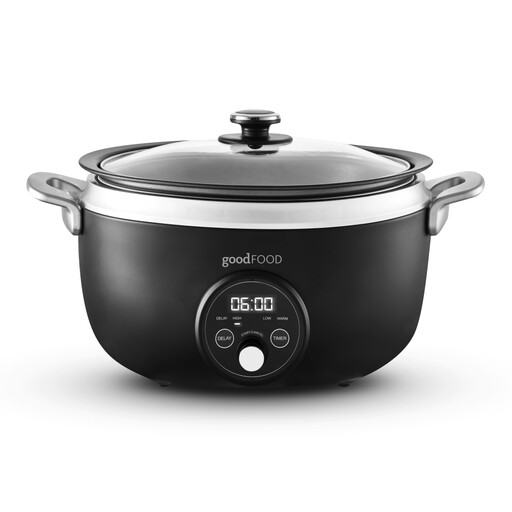 No image available
Consider this 3.5L model if you make several portions and want to plan the cooking time around a shared kitchen.
 No image available
This is a choice for cooks who want a slow-cook mode alongside other ways to prepare several portions.
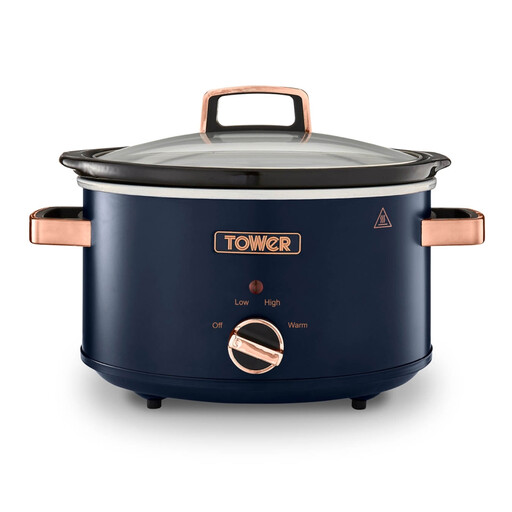 No image available
Consider this model for several portions when straightforward heat controls are more important than planned finish times.
 No image available
This larger option suits cooks considering batch stews who also want to use other cooking modes.
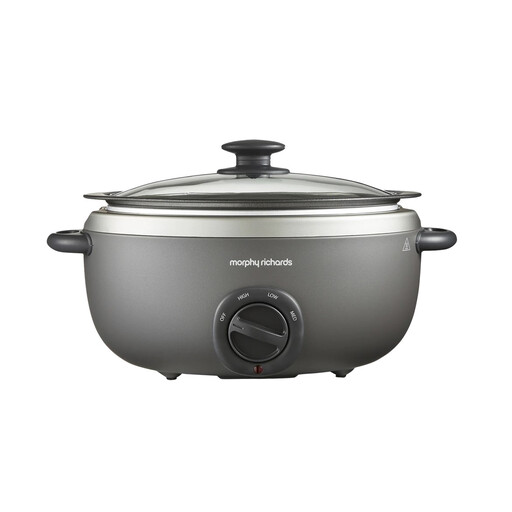 No image available
Its 6.5L bowl is more relevant to regular batch stews than to a small meal made from one can of beans.
Yes. The Epicure canned haricot beans listed by McGrocer are described as pre-cooked and ready to use without soaking. Check your can label and recipe for preparation and timing, particularly when the stew contains other ingredients.
Start with the portions you normally make and the space you can spare. Crock-Pot positions its 2.4L CSC061 for one to two people; a 3.5L cooker offers more room for several portions, while larger models make more sense for regular batch cooking or group meals.
Cool and refrigerate leftover portions promptly rather than leaving them in the cooker for later meals. When you reheat a portion, NHS guidance says it should be steaming hot all the way through.
Check the cooker and lead, use a dry and uncluttered socket area, and avoid overloaded sockets. Electrical Safety First advises against handling electrical equipment with wet hands or leaving appliances on unattended.