
24/7 Customer Support

Free returns

Same-day & Next-day Delivery

Quality Guaranteed

Unlock Your Welcome Offers: FREE Delivery | Up to 80% OFF | Free 30-day JoyPlus trial
Download the APP
As a pet owner, you know the sound: that frantic gulping and gobbling as soon as the food hits the bowl, followed by coughing, spluttering or even vomiting. Fast eating is more than just a messy habit; it can lead to digestive discomfort and increase the risk of serious conditions like bloat. A slow feeder bowl is a simple and effective tool to encourage a healthier eating pace.
However, the market is flooded with options, and not all are created equal. Many pet owners find themselves with a product that is either ineffective or creates new problems. Before you buy, it is crucial to understand the common pitfalls that can make a promising purchase a waste of money.
non-slip pet bowl design is not a luxury; it is a necessity.adjustable height pet feeder or a model specific to your pet's size is often a much better long-term solution.Navigating these issues is straightforward when you know what to look for. Focus on these core parameters to find a durable, safe and effective slow feeder for dogs or cats.
The material of the bowl directly impacts safety, durability and ease of cleaning.
travel pet bowl designs and mats because it is lightweight and unbreakable. It typically features a natural grip that prevents sliding.For hygiene, always check if the product is dishwasher-safe. This simplifies daily cleaning and ensures a more thorough sanitisation than handwashing alone.
The pattern inside the bowl is what slows your pet down. The ideal complexity depends on your pet's species and determination.
anti-bloat dog bowl. They use walls and obstacles to separate food. Simple, wavy patterns are great for beginners, while more complex mazes offer a greater challenge and serve as a dog enrichment toy.lick mat for cats and dogs is a flat mat with a textured surface. It is an excellent choice for wet food, pastes or yoghurts. The act of licking is naturally calming for many pets and can help reduce anxiety. It also promotes dental health by scraping the tongue.A good slow feeder should stay put and be positioned at a comfortable height for your pet.
slow feeder and water bowl set that sits within a larger non-slip mat is another excellent solution for containing mess.elevated dog bowl promotes a better posture during meals, which can aid digestion and reduce strain on the neck and joints, particularly for senior pets or large breeds. An adjustable height pet feeder offers the most flexibility, adapting to your pet as they grow.To help you make a practical choice, we have matched several products to common UK pet owner profiles, showing how they address the pitfalls mentioned earlier.
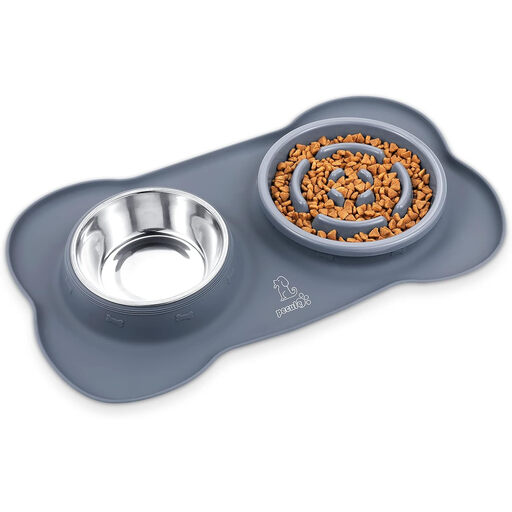
Why This Fits Their Persona: Ideal for owners of small dogs or cats who want a complete, mess-free feeding station. This set combines a slow feeder, water bowl and spill-catching mat into one neat package, keeping kitchen floors clean.
The integrated food-grade silicone mat provides excellent grip, completely solving the "slipping and sliding" problem. Both the silicone bowl and stainless steel water bowl are removable and dishwasher-safe, avoiding the hygiene hazard.
A 3-in-1 design offers convenience and value. The foldable silicone mat also makes it a practical travel pet bowl for holidays or visits.
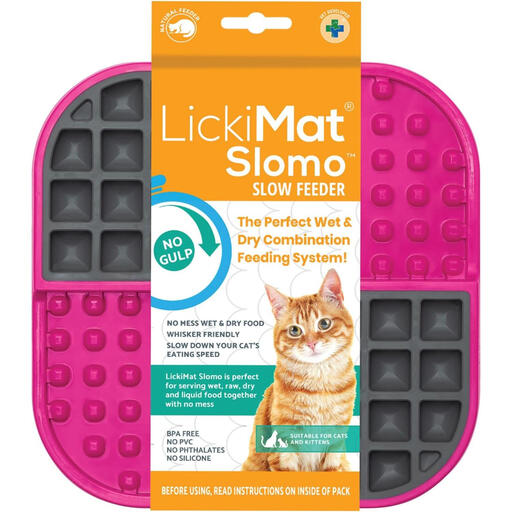
Why This Fits Their Persona: Perfect for cat owners dealing with whisker fatigue, or any pet owner looking to reduce anxiety. It turns mealtime into a calming enrichment activity, especially with wet food or treats.
Its low-profile, flat design directly solves the "one-size-fits-none" problem for cats, preventing whisker stress. It encourages licking rather than gulping, offering a different approach to slow feeding that also provides mental stimulation.
Promotes licking, which can generate saliva to help clean teeth and gums. The sectioned design allows you to serve wet and dry foods together without them mixing.
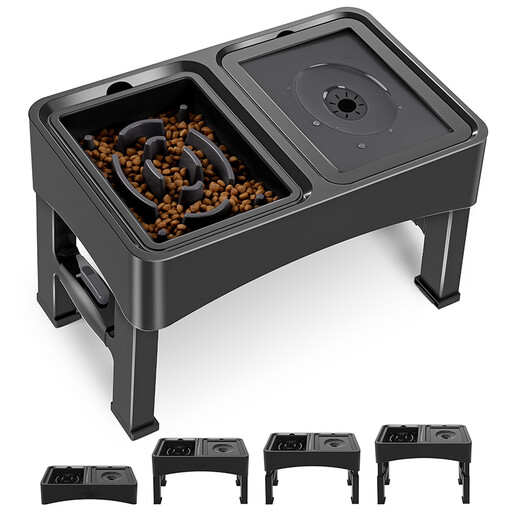
Why This Fits Their Persona: An excellent choice for owners of medium-to-large breeds, senior dogs or growing puppies. The adjustable height ensures a comfortable, ergonomic eating posture throughout a pet's life.
This model directly counters the "one-size-fits-none" flaw with its four-level height adjustment. The sturdy, wide stand provides excellent stability, preventing the bowl from tipping or sliding during use.
The combination of an adjustable stand and a floating water bowl (which minimises splashing) creates a superior feeding station. The foldable design also allows for easy storage.
We have compiled a complete, real-time list of products that fully satisfy these strict selection criteria and UK safety regulations.
First, check the product details to see if it is dishwasher-safe, as this is the easiest method. If washing by hand, start by soaking the bowl in warm, soapy water to loosen any dried-on food. Use a bottle brush or a dedicated cleaning tool to scrub all the grooves and corners. Rinse thoroughly and allow it to air dry completely to maintain hygiene.
While no single product can guarantee the prevention of a complex medical condition like bloat, an anti-bloat dog bowl is specifically designed to address a major contributing factor: eating too quickly. By slowing your pet down, it reduces the amount of air they swallow with their food, which can lessen digestive discomfort. If you have serious concerns about your pet's health or risk of bloat, you should always consult your veterinarian.
The safety of a plastic bowl depends entirely on its quality. Always choose a bowl that is clearly marked as being made from food-grade and BPA-free materials. These plastics are regulated for safety in contact with food. Avoid unlabelled, cheap plastic bowls, which may not be as durable and could potentially leach unwanted chemicals. If you are concerned, materials like stainless steel and food-grade silicone are excellent alternatives.