
24/7 Customer Support

Free returns

Same-day & Next-day Delivery

Quality Guaranteed

Unlock Your Welcome Offers: FREE Delivery | Up to 80% OFF | Free 30-day JoyPlus trial
Download the APP
As a conscientious owner of a rabbit, guinea pig or other small pet, you understand that their well-being goes beyond just food and water. A key aspect of their health is managing their continuously growing teeth and satisfying their natural instinct to chew. Providing the right small animal chew toys is not just about entertainment; it is a fundamental part of their care, helping to prevent dental issues and alleviate boredom.
This guide is designed to help you navigate the options and select safe, engaging and beneficial toys for your furry companion. We will cover what to look for in a quality chew toy and present some of our top recommendations to support your pet's health and happiness.
Selecting the right toy can feel overwhelming. To simplify your decision, focus on these key considerations to ensure you are providing a safe and stimulating option for your pet.
The most important factor is safety. Look for toys made from untreated, 100% natural materials. Natural wood chews for small pets, such as apple, willow or pear wood, are excellent choices as they are safe to ingest in small quantities and help wear down teeth effectively. Avoid toys made from soft plastics, woods treated with pesticides or items held together with toxic glues. Always check that any colourants used are from pet-safe, vegetable-based dyes.
Different toys serve different purposes. Simple gnaw sticks are great for straightforward dental maintenance, but more complex hamster enrichment toys or foraging toys for rabbits can provide crucial mental stimulation. Consider your pet's natural behaviours. Do they love to shred, toss things around or solve puzzles? A rabbit might enjoy a toy they can deconstruct, while a guinea pig may prefer a simple, sturdy guinea pig gnaw toy. Providing a variety helps to create a more enriching environment.
A good chew toy should be durable enough to withstand persistent gnawing but not so hard that it could damage your pet's teeth. Some toys, known as small pet boredom busters, are designed to be destroyed over time, which is a natural and satisfying process for your pet. Others, like edible gnaw toys, combine nutrition with activity. For animals like chinchillas, specific chinchilla dental toys are formulated to meet their particular dental needs, so always consider species-specific requirements.
Here are a few thoughtfully selected products that align with the principles of safety, enrichment and dental health for small pets.
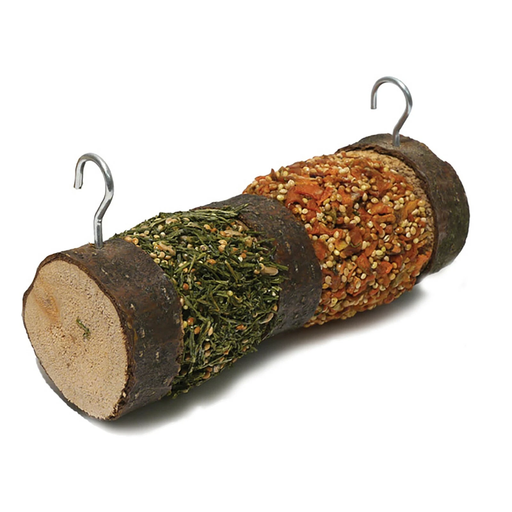
Why It Stands Out: This chew toy features an intelligent dual-layer design, combining a sturdy outer layer of willow wood with a softer apple wood core. This variation in texture and density keeps pets engaged for longer, providing a more satisfying chewing experience while promoting natural tooth wear.
Pros:
Who is it for:
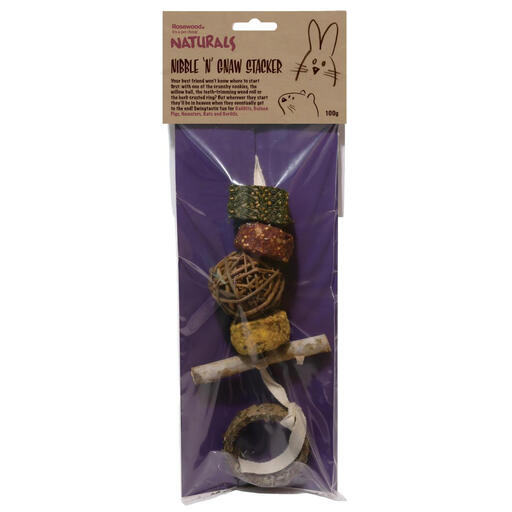
Why It Stands Out: This product is more than just a chew toy; it is an interactive activity centre. The stacker combines various textures and tastes, including hard-baked treats, a willow ball and an herb-coated ring, all strung on a paper cord. It encourages pets to work for their treats, providing both mental and physical stimulation.
Pros:
Who is it for:
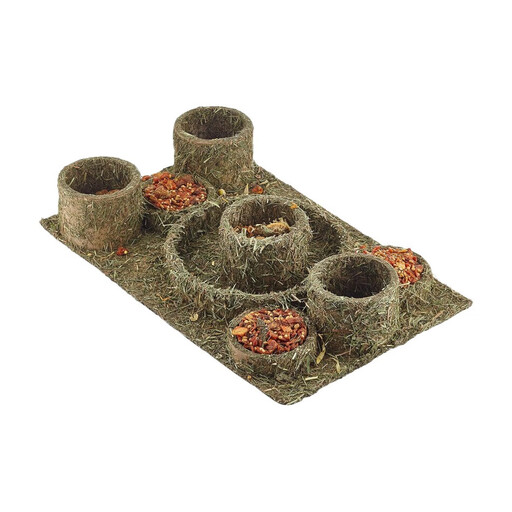
Why It Stands Out: This innovative maze is one of the most engaging foraging toys for rabbits and other curious pets. It features hidden compartments where you can hide treats, encouraging your pet to explore, sniff and problem-solve. The maze itself is made from edible and gnaw-friendly materials, serving a dual purpose for both play and dental health.
Pros:
Who is it for:
If the recommendations above are not quite what you are looking for, or if you wish to browse a wider selection of enrichment items, there are many other options available. From simple willow balls to complex activity centres, finding the perfect fit for your pet is key.
Discover a broader range of engaging and safe options in our full collection of rabbit toy and small pet accessories.
Q: Are wood chew toys safe for all small pets? A: Generally, yes, provided they are made from untreated, pet-safe woods like apple, willow or kiln-dried pine. Woods from cherry, plum or other stone fruit trees can be toxic and should be avoided. Always supervise your pet with a new toy and ensure it is appropriate for their species.
Q: How often should I replace my pet's chew toys? A: This depends on the toy and your pet's chewing habits. Edible gnaw toys should be replaced once consumed. Wooden or fibre-based toys should be removed if they become heavily soiled, splintered or chewed down to a size that could pose a choking hazard. Regularly inspecting your pet's toys is a good practice.
Q: Can chew toys completely prevent dental problems? A: While high-quality rabbit chew toys and guinea pig gnaw toys are essential tools for promoting dental health, they are part of a broader care routine. A proper diet, rich in hay and fibre, is the most critical factor for wearing down teeth. Chew toys provide supplementary support and crucial enrichment. If you have concerns about your pet's dental health, it is always best to consult a veterinarian.