
24/7 Customer Support

Free returns

Same-day & Next-day Delivery

Quality Guaranteed

Unlock Your Welcome Offers: FREE Delivery | Up to 80% OFF | Free 30-day JoyPlus trial
Download the APP
As a pet owner, providing a safe, comfortable and stimulating environment for your small companion is a top priority. A crucial part of any habitat is a dedicated small animal hideout. More than just a place to sleep, a good hideaway offers a sense of security, reduces stress and encourages natural behaviours like nesting and burrowing.
However, with so many options available, choosing the right one can feel overwhelming. From materials and size to chew-safety and ease of cleaning, there are several factors to consider. This guide is designed to help you navigate the choices and find a suitable small pet hideaway that both you and your pet will appreciate.
Before we look at specific products, here are a few key considerations to keep in mind. These tips will help you select appropriate and enriching pet cage accessories for your furry friend.
The material of a hideout dictates its durability, safety and function.
natural chew toys for small pets, helping to wear down their ever-growing teeth and prevent boredom. These are biodegradable but may need replacing more frequently.A hideout should be a snug fit, but not a squeeze. Your pet needs enough room to turn around comfortably, but a space that is too large may not provide the sense of security they seek. Always check the dimensions against the size of your pet. For example, a guinea pig igloo will need to be significantly larger than a standard hamster house. The entrance should also be large enough for easy access without any risk of getting stuck.
A hideout is a key component of small animal enrichment. Some designs offer more than just a roof over their head. Tunnels encourage exploration, while multi-chamber hideouts mimic natural burrows. Consider how the design can support your pet's instincts. Good ventilation is also a must-have feature to ensure proper air circulation.
Here at Joybuy, we filter through market options to highlight practical and well-regarded products. Based on their features, materials and suitability for different pets, here are our recommendations.
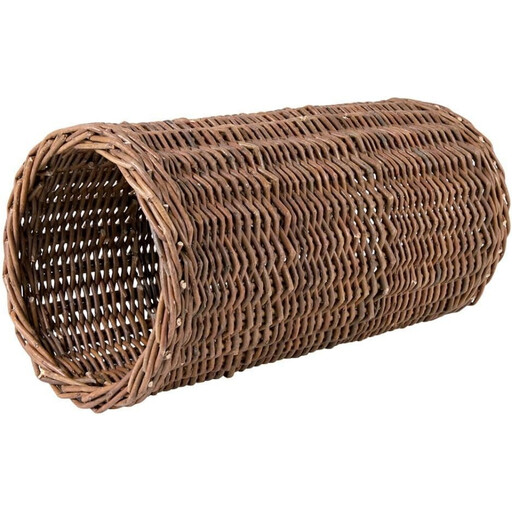
Why It Stands Out: This willow tube stands out for its dual-functionality. It serves as a cosy rodent hideout and a completely safe, chewable toy. Made from 100% natural willow, it satisfies your pet's instinct to gnaw while providing a secure place to rest and play.
Pros:
Who is it for? This is an ideal choice for owners of smaller pets like hamsters, mice and gerbils, especially those who are avid chewers. If you prioritise natural materials and want to provide an edible enrichment item, this is a fantastic option.
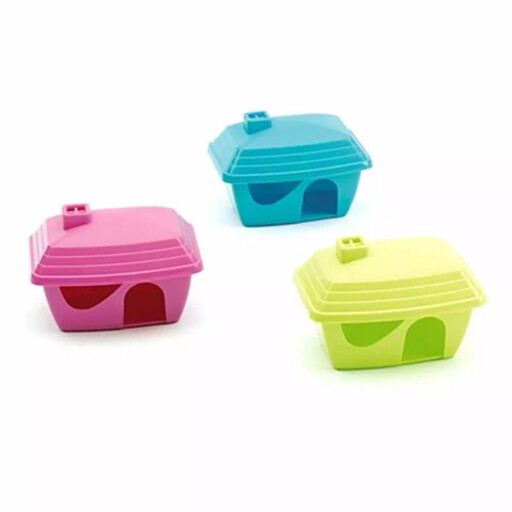
Why It Stands Out: The Savic Casita is a classic and practical hamster house that focuses on durability and hygiene. Its sturdy, non-toxic plastic construction makes it incredibly easy to wipe down and keep clean. The fun, colourful design also adds a cheerful touch to your pet's habitat.
Pros:
Who is it for? This is a great fit for hamster owners looking for a straightforward, low-maintenance and long-lasting hideout. Its simple design and easy-to-clean surface make it a practical choice for busy owners who want to ensure a hygienic sleeping space for their pet.
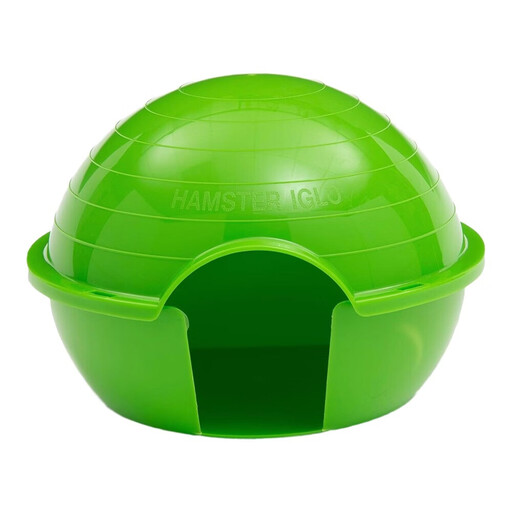
Why It Stands Out: The Savic Igloo offers impressive versatility. Its generous size makes it suitable for a wider range of small animals, from guinea pigs and rats to chinchillas. The clever two-part design, which snaps together securely, allows for thorough cleaning, while side vents ensure good airflow.
Pros:
Who is it for? This is the go-to option for owners of guinea pigs, rats, degus or even small rabbits. If you need a larger, sturdier and easy-to-maintain guinea pig igloo or hideout, its practical design and spacious interior make it a highly functional choice.
Every pet has its own personality and preferences. If the recommendations above aren't quite what you're looking for, there are many other styles and materials to explore.
For a wider selection of hideouts, from multi-room wooden houses to soft fabric beds, browse our complete collection.
Explore our full range of hamster houses and hideaways here
1. How many hideouts should my small pet have? It is generally recommended to provide at least two hideouts per pet, especially if you have more than one sharing an enclosure. This gives them a choice of resting spots and prevents competition. Having multiple hideouts adds variety and is a great form of small animal enrichment.
2. Are plastic hideouts safe for small pets? Yes, provided they are made from high-quality, non-toxic and durable plastic specifically intended for animal use. Always check products for sharp edges or small parts that could break off. If your pet is a persistent chewer who ingests material, a natural option like the willow tube may be a more suitable choice.
3. How often should I clean my pet's hideout? This depends on the material and your pet's habits. Plastic hideouts should be wiped down and disinfected with a pet-safe cleaner at least once a week during a full cage clean. Natural hideouts made of wood or willow cannot be deep-cleaned in the same way; they should be spot-cleaned and checked regularly for soiling or excessive damage and replaced when necessary.