
24/7 Customer Support

Free returns

Same-day & Next-day Delivery

Quality Guaranteed

Unlock Your Welcome Offers: FREE Delivery | Up to 80% OFF | Free 30-day JoyPlus trial
Download the APP
Choosing small animal treats can seem straightforward until you compare ingredient lists, feeding instructions and species guidance. Bright packaging may promise natural goodness, dental care or boredom relief, but the useful details are often hidden in the small print.
For UK owners of rabbits, guinea pigs, hamsters, chinchillas, gerbils, degus, mice and rats, three buying pitfalls are particularly common:
For herbivores such as rabbits, guinea pigs and chinchillas, high-fibre pet treats are generally more compatible with a forage-led feeding routine than sugary or heavily processed snacks. Check the composition and analytical constituents rather than relying only on front-of-pack wording.
For reference, the products below list:
These figures are not direct measures of overall suitability. Species, age, size, activity and the rest of the diet still matter. Ingredients listed near the beginning also give a clearer indication of what the product is mainly made from.
Look for a stated target species and a feeding guide. Rabbit treats, guinea pig treats and hamster treats should not automatically be treated as interchangeable.
A larger hay cookie may suit an adult rabbit or guinea pig but be impractical for a mouse. Likewise, fruit-based snacks contain naturally occurring sugars and may need stricter portion control. Introduce unfamiliar natural small animal treats gradually and monitor your pet for changes in appetite, droppings or behaviour. If you have concerns about a pet’s diet, consult a qualified veterinary professional.
Treats can also provide foraging and chewing opportunities. Look for features such as:
These features can make small animal chew treats, forage treats for rabbits and edible gnaw toys more engaging. However, supervise the first use, remove damaged or soiled pieces and follow the label’s age and species restrictions.
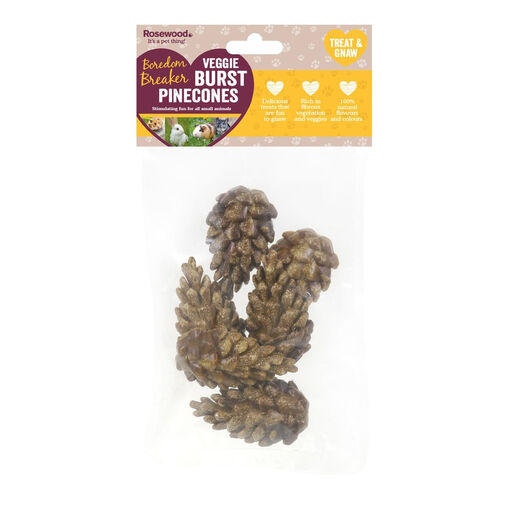
Why This Fits Their Persona: A six-piece format gives new owners several opportunities to offer a chewable snack without committing to a large pack.
The composition and analytical constituents are stated, including 13.6% crude fibre and 0.7% crude fat, rather than relying only on broad natural-product wording.
Made with plant and vegetable ingredients; underside cavities can hold small animal treat paste for interactive feeding.
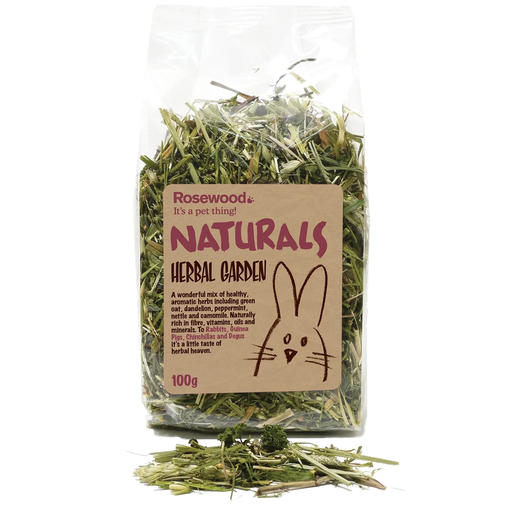
Why This Fits Their Persona: Owners seeking a leafy, forage-style addition can portion this blend across several feeding occasions.
The blend lists its ingredients—dandelion, nettle, plantain, raspberry leaves, chamomile, mint and parsley—and provides a 1–2 tablespoon guide.
Contains 18% crude fibre and no artificial additives; the varied textures can encourage foraging behaviour.
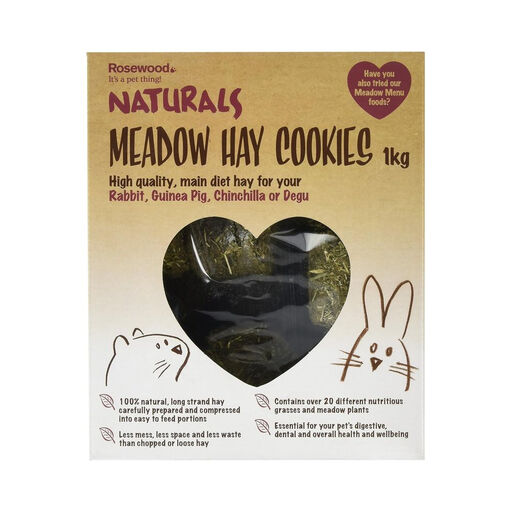
Why This Fits Their Persona: The 1kg pack is practical for multi-pet households or owners who regularly use hay-based treats as enrichment.
It is made from 100% meadow hay, with a clearly stated 32% crude fibre, avoiding an unclear cereal-heavy ingredient profile.
Single-ingredient composition; cookie shape encourages chewing and provides a measured 1–2 cookie daily guide.
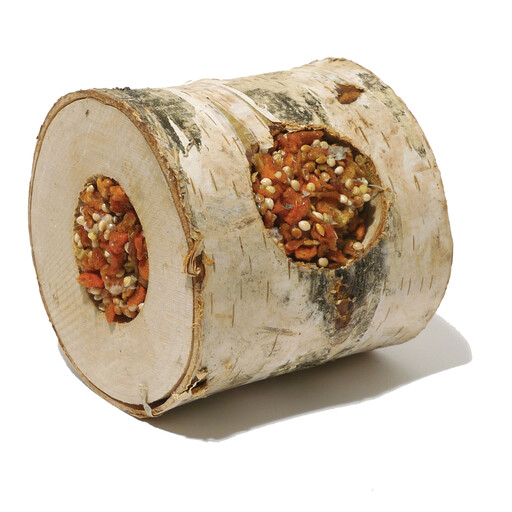
Why This Fits Their Persona: Suitable for owners prioritising interactive chewing and boredom relief alongside a snack.
The product specifies edible materials, a carrot-centred composition and first-use supervision, rather than presenting an unspecified wooden toy.
Hollow woodroll design combines gnawing with food extraction; listed for rabbits, guinea pigs, chinchillas, degus and several rodents.
We have compiled a complete, real-time list of products that fully satisfy these strict selection criteria and UK safety regulations.
Use the package guidance as a starting point, but account for the animal’s size and normal diet. Keep these practical rules in mind:
For variety, alternate between a small edible reward, scattered forage and a chewable enrichment item rather than offering several concentrated snacks at once. This can help prevent overfeeding while keeping feeding routines more engaging.
No. Treats are optional additions to a balanced diet. They can provide variety, hand-feeding opportunities or enrichment, but they should not displace a pet’s normal food, hay or water.
Products that encourage natural chewing, such as hay cookies, forage bars or edible woodrolls, may be useful as enrichment. They are not a substitute for suitable hay, normal feeding or veterinary care. Always check species guidance and supervise chew items.
Lifespan depends on the pet’s species, size, chewing habits and the toy’s construction. A filled woodroll may be consumed faster than a chunky log or hay cookie. Inspect the item regularly, remove loose or damaged sections and follow the storage and replacement advice on the label.