
24/7 Customer Support

Free returns

Same-day & Next-day Delivery

Quality Guaranteed

Unlock Your Welcome Offers: FREE Delivery | Up to 80% OFF | Free 30-day JoyPlus trial
Download the APP
Choosing small animal treats can seem straightforward until you compare ingredient lists, feeding guidance and product formats. A colourful packet may promise enrichment, dental care or natural goodness, but the useful details are often hidden in the composition and analytical constituents.
For UK owners of rabbits, guinea pigs, chinchillas, degus, hamsters and other rodents, three common buying traps are worth avoiding:
For rabbits, guinea pigs and chinchillas, high-fibre pet treats are generally more compatible with a hay-led diet than sugary fruit-heavy snacks. As a useful comparison, Burgess Excel Forage and Feast Bar Rose lists 29.5% crude fibre and 2.4% crude fat, while Rosewood Naturals Meadow Hay Cookies list 32% crude fibre and 1.5% crude fat.
This does not make either product a complete food. It simply shows why analytical constituents are more useful than packaging language alone. Fruit-based treats can contain naturally occurring sugars, so they are usually better reserved for occasional portions. Mr Johnson’s Fruit & Berry Niblets, for example, contain dried banana, apple, pineapple and berries, with feeding guidance advising sparing use.
A product suitable for a rabbit may not be appropriate for every rodent. Chinchilla treats and degu treats should be selected with particular care because these animals have different dietary sensitivities from hamsters, rats or mice.
Always check:
For example, Rosewood Naturals Chinchilla & Degu Delight is listed for adult chinchillas and degus, while the Rosewood Veggie Burst Pinecones are listed for rabbits and a broad range of rodents. The label remains the deciding reference, particularly when keeping a species with specific dietary needs.
The most useful small animal forage treats do more than provide a quick mouthful. Bars, cubes, sticks and hollow toys can encourage searching, pulling and gnawing. However, enrichment should remain safe and manageable.
Inspect the product for:
Edible gnawing treats can encourage natural chewing behaviour, but they should not be used to manage an existing dental condition. If your pet has difficulty eating, drools, loses weight or shows other signs of illness, seek veterinary advice rather than relying on a treat.
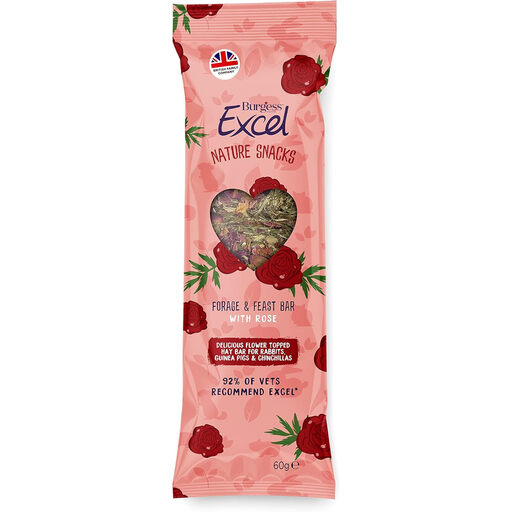
Why This Fits Their Persona: A compact 60g bar gives new owners a straightforward way to add occasional forage-style enrichment without buying a large multi-item toy.
The label identifies it as a treat and lists 29.5% crude fibre, helping shoppers distinguish it from a complete diet.
Contains dried rose petals; no added artificial flavours or preservatives are listed.
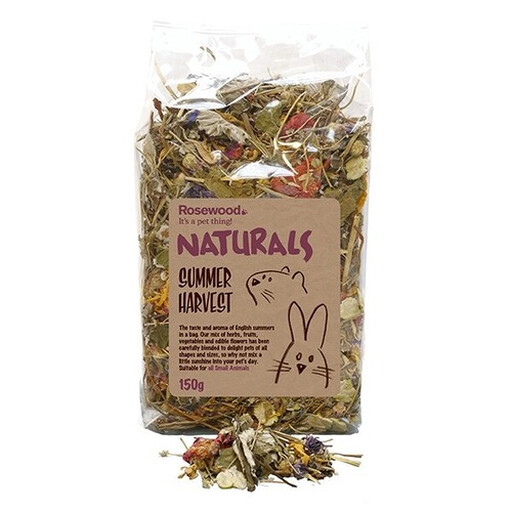
Why This Fits Their Persona: Owners who value ingredient variety may prefer a blend of meadow hay, herbs, flowers and vegetable flakes for scattering or small daily portions.
It provides a named composition and analytical values rather than relying only on broad “natural” wording.
Includes dried herbs, flowers and vegetables; listed at 16% crude fibre and 2.2% crude fat.
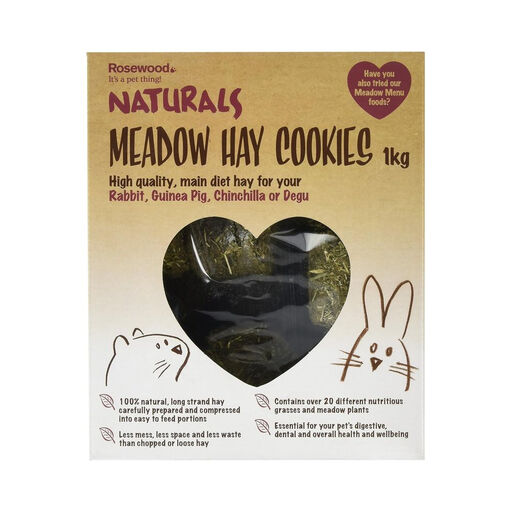
Why This Fits Their Persona: Multi-pet households or owners using forage pieces regularly may value the large 1kg quantity and simple hay composition.
The composition is stated as 100% meadow hay, avoiding unclear mixtures and unnecessary flavour-heavy ingredients.
1kg pack; 32% crude fibre and 1.5% crude fat are declared on the product information.
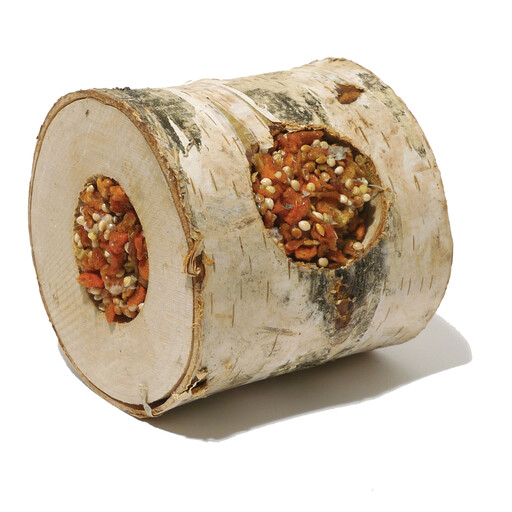
Why This Fits Their Persona: Suitable for owners seeking a treat that combines foraging, chewing and a food reward in one enclosure activity.
The hollow woodroll creates a clear food-seeking challenge instead of offering a treat that disappears immediately.
Carrot filling is listed at 57%; suitable for several rabbits and rodent species, subject to label guidance.
We have compiled a complete, real-time list of products that fully satisfy these strict selection criteria and UK safety regulations.
Treats should remain a small part of the diet. Follow the product label, adjust portions for your pet’s size and species, and reduce other extras if necessary. Rabbits and guinea pigs should continue to receive their normal hay-led diet, while hamsters and rodents need food appropriate to their species. Introduce unfamiliar ingredients gradually and monitor for digestive changes.
No. Chewable treats may provide additional activity, but they do not replace constant access to suitable hay for herbivorous pets or routine veterinary care. Choose products with an appropriate texture and supervise use, particularly with edible wooden toys and hard-baked sticks.
Look for products whose label specifically includes hamsters. Some hamster treats contain cereals, seeds or fruit, while others are designed mainly for herbivores. Portion size matters because hamsters are small and can store food. For a wider selection, use the full category range and compare the composition, feeding instructions and storage guidance before buying.