
24/7 Customer Support

Free returns

Same-day & Next-day Delivery

Quality Guaranteed

Unlock Your Welcome Offers: FREE Delivery | Up to 80% OFF | Free 30-day JoyPlus trial
Download the APP
Choosing small animal treats involves more than picking an attractive packet. Rabbits, guinea pigs, hamsters, chinchillas and degus have different dietary needs, and a snack that suits one species may be unsuitable for another. The right product should complement a staple diet while offering an appropriate texture, ingredient profile or opportunity for foraging.
Many colourful snacks contain fruit, cereals or seeds and are designed to be fed in small quantities. They are not a replacement for hay, fresh water or a species-appropriate complete diet. For example, a rabbit’s everyday food should provide suitable fibre and nutrients, while rabbit treats remain occasional extras.
Check whether the packaging describes the item as complete feed or complementary feed. Burgess Excel Rabbit Nuggets, for example, are presented as a complete food for adult rabbits, whereas forage bars, fruit mixes and gnawing products are treats or enrichment items.
Natural fruit still contains naturally occurring sugar. Fruit-based snacks can be useful for variety, but they should be portioned carefully, particularly for smaller animals and species such as chinchillas and degus. A product labelled natural may also contain cereals, vegetable starch or glycerine, so read the composition rather than relying on front-of-pack wording.
A colourful edible item is not automatically suitable for every pet. Some products are designed to be consumed, while others are intended to encourage slow gnawing and exploration. Examine the recommended species, dimensions, ingredients and supervision guidance. Remove any item that becomes damp, splintered, loose or difficult for your pet to handle.
For herbivores, high-fibre pet treats are generally a more practical choice than snacks dominated by sugary fruit or fatty seeds. Compare the analytical constituents on the label. The Rosewood Naturals Meadow Hay Cookies list 32% crude fibre, while the I Love Hay Forage Cube lists 30% crude fibre. These products can provide a hay-based chewing activity, but they should still sit alongside the pet’s normal diet.
Treats with lower fibre or higher sugar are better reserved for occasional rewards. Introduce unfamiliar forage gradually and monitor droppings and appetite for any digestive sensitivity.
A rabbit, guinea pig and hamster do not have identical feeding requirements. Before buying, confirm:
For example, the Rosewood Naturals Cornflower & Daisy Sticks are described as a complementary pet food for small herbivores and have a feeding guide of one to two sticks daily, adjusted for pet size and dietary needs. By contrast, Rosewood Veggie Burst Pea Pods are supplied as three pieces, with guidance to offer one to two pieces per week.
Chewing and foraging can make treat time more engaging than simply placing food in a bowl. Suitable small animal gnaw toys, forage cubes and edible chew toys should be made from clearly identified materials and used according to the instructions.
Look for features such as:
A treat maze or hanging stacker can spread feeding over a longer period, while a small fruit cushion may be more appropriate as a brief hand-fed reward.
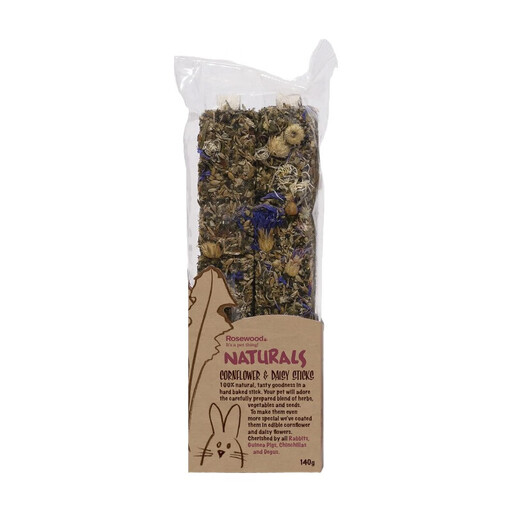
Why This Fits Their Persona: A straightforward option for new UK pet owners wanting a portionable treat for rabbits, guinea pigs, hamsters and other small herbivores.
It is clearly identified as complementary food, with a stated one-to-two-stick guide rather than implying it replaces a balanced diet.
140g pack; contains cornflower and daisy; no artificial colours, flavours or preservatives listed.
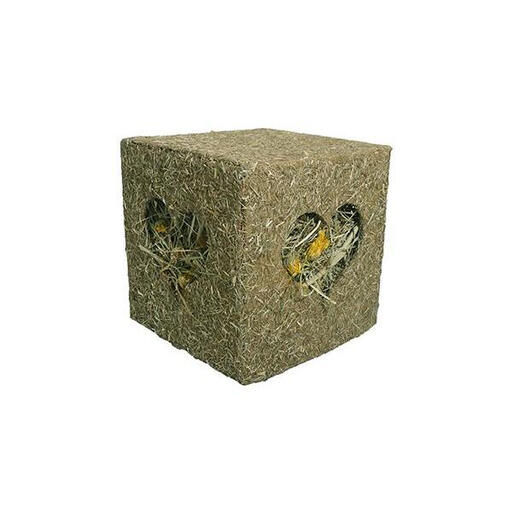
Why This Fits Their Persona: Suits owners prioritising hay-based enrichment for rabbits, guinea pigs and chinchillas in a larger indoor enclosure.
Its composition names timothy hay, meadow hay and a vegetable-based binder, making the main material clear instead of hiding it behind vague “natural” wording.
Lists 30% crude fibre; cube format encourages chewing and foraging; intended for free access as a forage toy.
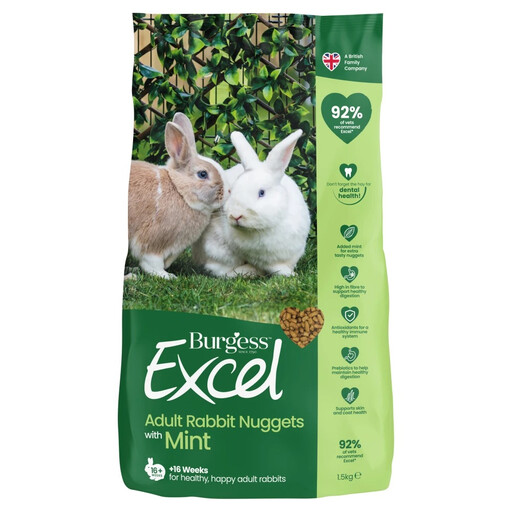
Why This Fits Their Persona: A practical everyday choice for adult rabbit households that need complete food in a larger pack rather than occasional snacks alone.
It is described as a complete and balanced adult rabbit food, helping shoppers distinguish staple feed from complementary rabbit treats.
1.5kg quantity; ingredients include lucerne and dried grass; product information lists prebiotics and high fibre.
We have compiled a complete, real-time list of products that fully satisfy these strict selection criteria and UK safety regulations.
Treats should remain a small part of the diet. Follow the product’s feeding guide, consider the size and activity of your rabbit, and avoid giving several rich products on the same day. Hay, suitable complete rabbit food, leafy greens where appropriate and fresh water should remain the dietary foundation.
Some are, but suitability depends on the ingredients and the label. Hay-based products commonly suit herbivorous animals such as rabbits and guinea pigs, while hamsters may require a different balance and smaller portions. Always check the target-species list before purchase.
No. Edible chew toys can provide an outlet for natural gnawing, but they do not replace a suitable diet, routine observation or veterinary advice. Remove damaged pieces, supervise initial use and stop offering a product if your pet struggles to chew or shows an unusual reaction.