
24/7 Customer Support

Free returns

Same-day & Next-day Delivery

Quality Guaranteed

Unlock Your Welcome Offers: FREE Delivery | Up to 80% OFF | Free 30-day JoyPlus trial
Download the APP
By Joybuy Product Recommendation Officer
Choosing small animal treats is not simply a matter of picking the most colourful packet. Rabbits, guinea pigs, chinchillas, degus, hamsters, gerbils, mice and rats have different dietary needs, and a treat should complement—not replace—their normal food.
The main buying traps are easy to miss:
Start with the intended species. Rabbit treats should generally be high in fibre and offered in small quantities, while chinchillas and degus usually require careful control of sweet or energy-dense ingredients. Hamster treats, including seed-based snacks, may suit omnivorous rodents but should still be portioned sparingly.
Look for whether the product is described as a complementary or supplementary pet food. This means it is designed to sit alongside a balanced daily diet, not replace it. The label should also state feeding guidance, target species, net quantity and storage instructions.
For herbivores, compare the analytical constituents. High-fibre options can be useful as part of an appropriate feeding routine. For example, Rosewood Naturals Meadow Hay Cookies list 32% crude fibre, while the Chinchilla & Degu Delight lists 15% crude fibre.
Fat also matters. Seed-heavy snacks may be attractive to hamsters, mice, rats and gerbils, but Mr Johnson’s Mixed Seed Niblets list 35.45% crude oils and fats, so the product description advises feeding them sparingly as an occasional treat.
Do not treat “natural” as a nutritional guarantee. Check whether the recipe includes hay, vegetables, seeds, flowers, cereals or fruit, and compare the ingredients with your pet’s normal diet.
Gnawing treats can make snack time more engaging. Hard-baked sticks, hay cookies, pinecone-shaped pieces and edible wood rolls may encourage natural chewing and foraging behaviour. However, you should supervise new treats, remove soiled or damaged pieces and discard sharp fragments.
Some products offer more than taste. The Veggie Burst Pinecones have underside cavities for adding small animal treat paste, while the Nibble Woodroll has a carrot filling inside an edible wood roll. These formats may be useful for pets that need additional enclosure enrichment, but they still need to be offered in moderation.
The following recommendations are organised by shopping profile rather than ranked. Always check the current product label before feeding.
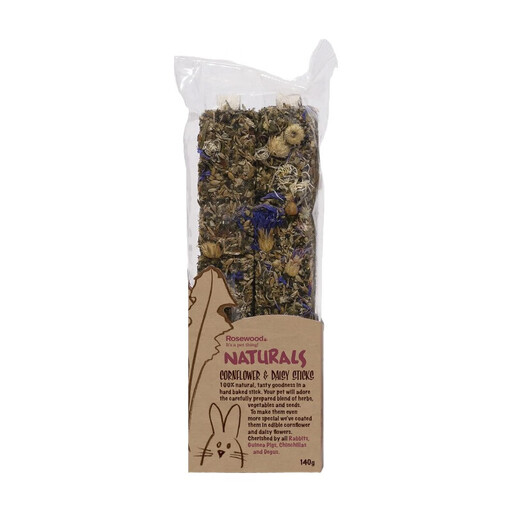
Why This Fits Their Persona: A straightforward 140g option for owners introducing complementary snacks to rabbits, guinea pigs, hamsters and other small animals.
The composition and analytical constituents are listed, including 14% crude fibre, with guidance to feed 1–2 sticks daily as a complementary treat.
Contains cornflower and daisy; no artificial colours, flavours or preservatives are listed.
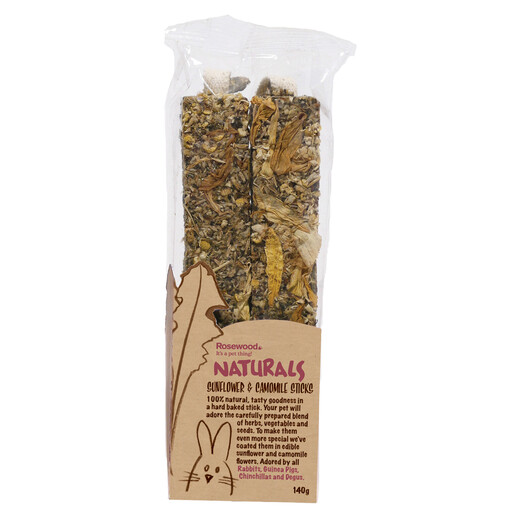
Why This Fits Their Persona: Suits owners looking for a multi-ingredient, visually appealing treat that also provides a firm chewing format.
The recipe specifies vegetables, seeds, herbs, chamomile and sunflower petals, rather than relying only on broad “natural” wording.
Hard-baked sticks; listed analysis includes 6% crude fibre and 4.8% crude fat; resealable 140g bag.
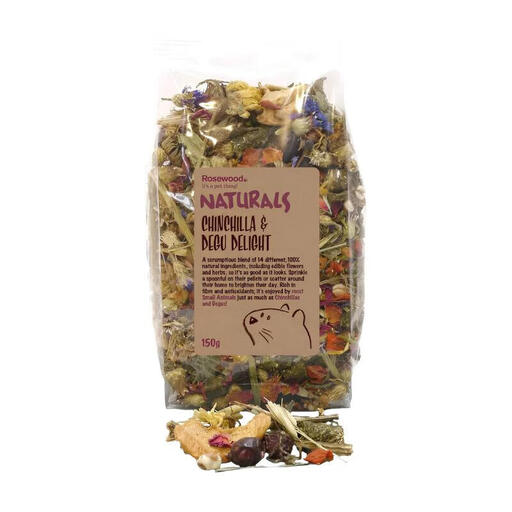
Why This Fits Their Persona: Intended for adult chinchillas and degus, making it easier to narrow the choice when general small-pet treats are too broad.
The product specifies adult chinchillas and degus, a 1–2 piece daily guide and a 15% crude-fibre analysis.
Includes timothy hay, oats, barley, carrot and herbs; supplied in a 150g pack.
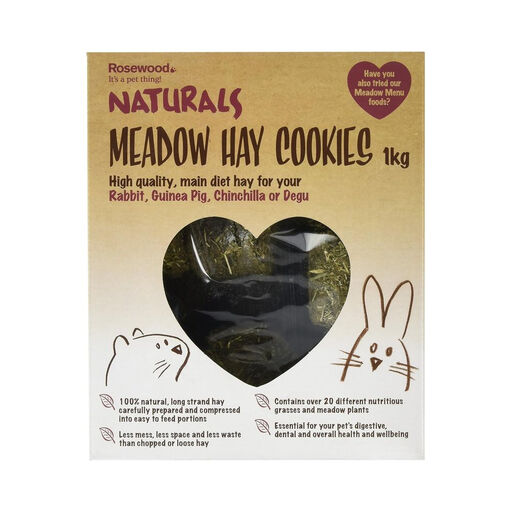
Why This Fits Their Persona: A 1kg format may suit multi-pet homes or owners who regularly use hay-based treats for small herbivores.
The single-ingredient composition is stated as 100% meadow hay, reducing uncertainty about added fruit, seeds or sweeteners.
Lists 32% crude fibre, 1.5% crude fat and a large 1kg net quantity.
We have compiled a complete, real-time list of products that fully satisfy these strict selection criteria and UK safety regulations.
Treats are optional. A balanced species-appropriate diet should remain the priority. Small animal treats can add variety, support foraging activities and provide a practical reward, but they should not replace normal food or unlimited hay where hay is part of the animal’s dietary requirements.
Look for rabbit treats and guinea pig treats based around hay, vegetables or suitable herbs, with clear feeding guidance. Hay cookies, selected floral sticks and vegetable-based gnawing treats may be options, but portion size and the complete ingredient list still matter.
Shelf life varies by product and packaging. Hard-baked sticks and dry hay cookies generally need to be kept sealed and dry to retain their texture. Check the label, inspect treats before feeding and discard anything that becomes damp, mouldy, soiled or damaged.