What matters when choosing?
Start with the files and systems you must restore and the time your organisation can manage without them. Then decide whether connectivity, customer-data protection or the number of devices makes cloud backup, disconnected storage, centrally managed network-attached storage (NAS), or a combination more practical.
| Concern |
What to check |
Who this matters to |
| Restoration |
Check which files and systems are covered, how to restore them, and whether earlier versions remain available for the retention period you choose. |
If work stops after a deletion or device failure, I need to know that the required records can actually be restored. Around 36% of consumers put recoverability and restoration testing first. |
| Customer-data protection |
Review who can access or delete backups, whether encryption fits the risk, and the processing and transfer arrangements of any cloud supplier. |
When customer records are involved, I need authorised colleagues to retrieve them without leaving the backup open to inappropriate access. For around 29% of consumers, protecting and governing that information is the primary concern. |
| Connectivity and independence |
Check whether uploads and restores work with your connection; for removable media, plan disconnection and separate, secure storage. |
An unreliable connection could leave me waiting when I need a copy, so I want a backup I can hold locally. Around 21% of consumers prioritise an internet-resilient, independent copy. |
| Managing multiple systems |
Identify the devices and shared folders to cover, then check supported endpoints, monitoring and the need for another independent copy. |
If several staff devices need protection, I need to see which backups ran and who can restore them. Central management is the leading need for around 14% of consumers. |
The National Cyber Security Centre recommends external storage where internet access is unreliable and an independent copy for critical data. NAS can centralise backup tasks, but the Centre’s guidance on ransomware-resistant backups makes clear that a store on the same network is not isolated simply because it is a separate device. Encrypted portable storage addresses a different question—access to the media—and can be used alongside a drive, NAS or cloud arrangement rather than replacing the need to plan recovery.
Removable storage choices on Joybuy
These products are removable storage options for a local copy or selected files. Choose capacity and connection for your actual devices and data, then set a backup schedule, test restoration and disconnect the device when it is not in use; the storage device alone does not establish that process.
 No image available
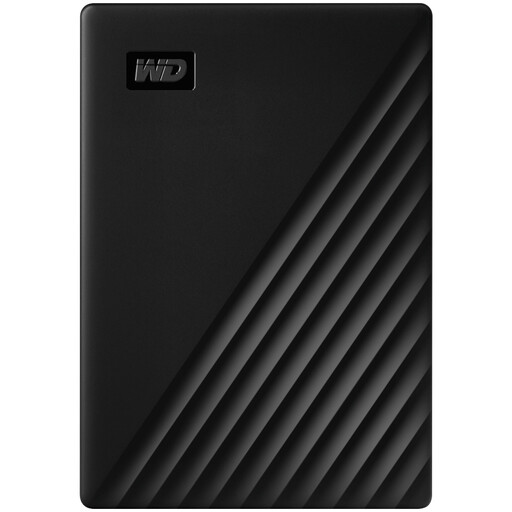
Western Digital My Passport 2 TB portable external hard drive, black
A removable local-copy option when an online connection is unreliable or an independent copy is needed.
Check that 2 TB accommodates the files and retained copies you plan to keep, and confirm compatibility and restoration steps with your devices.
Joybuy
 No image available
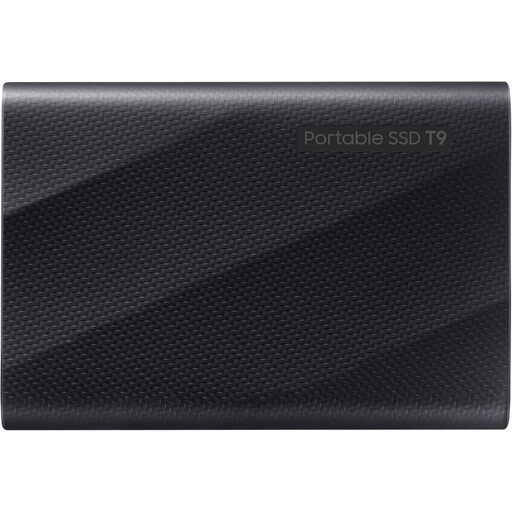
Samsung MU-PG4T0B 4 TB USB Type-C USB 3.2 Gen 2x2, black
Consider this removable-copy option if your selected data and retention plan call for 4 TB of listed capacity.
Check the USB Type-C connection against your devices and establish how backups will be scheduled and restored.
Joybuy
 No image available
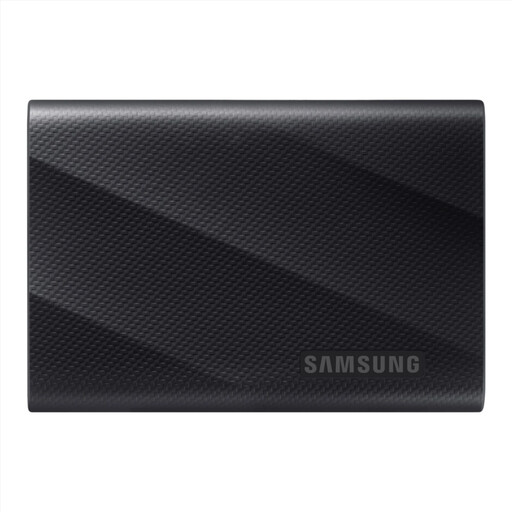
Samsung MU-PG2T0B 2 TB USB Type-C USB 3.2 Gen 2x2, black
This is a removable-copy option for a plan that fits within its listed 2 TB capacity.
Check the USB Type-C connection against your devices, and plan backup frequency, retained copies and restoration before relying on it.
Joybuy
 No image available
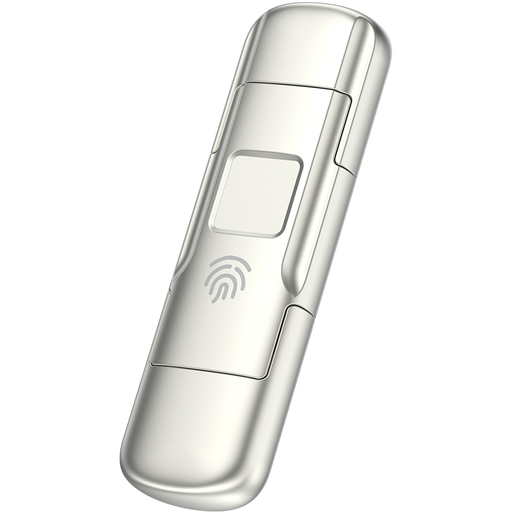
MOVESPEED YSUYC-256GSN 256 GB fingerprint USB flash drive, silver
Consider it for an offline copy of selected files rather than assuming 256 GB will accommodate the organisation’s full dataset.
The title specifies a USB 3.2 Gen 1 and Type-C dual interface. Check device compatibility and how an authorised person would regain access and restore the files.
Joybuy
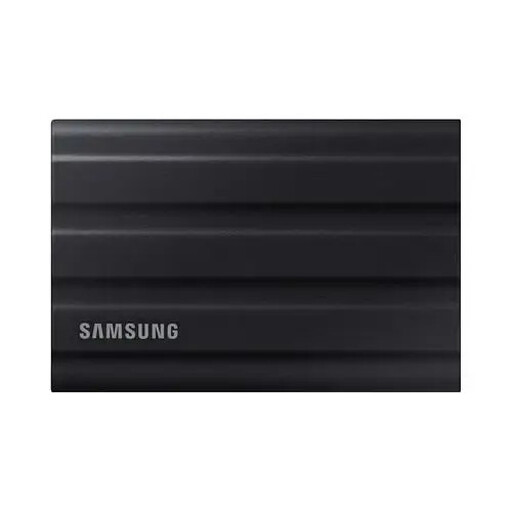 No image available
Samsung MU-PE1T0S 1 TB USB Type-C USB 3.2 Gen 2, black
This removable-copy option is worth considering if the selected files and retention plan fit within its listed 1 TB capacity.
Confirm USB Type-C compatibility and assess any encryption requirement separately; also establish the backup and restore procedure.
Joybuy
Questions about business backups
When should a small organisation use a removable drive instead of cloud backup?
Use a removable device when internet access is not reliable enough for the backup route you need, as the National Cyber Security Centre advises. Keep it secure and disconnect it when it is not being used for backup; decide separately whether an online copy would also help your recovery plan.
Is cloud file storage the same as an independent backup?
No: storing or syncing files in a cloud service does not by itself establish an independent, restorable copy. The National Cyber Security Centre advises checking that essential data can be exported and restored, rather than relying solely on version history or deleted-file recovery.
How often should business backups be tested?
Test them often enough to confirm that your organisation can restore the data it needs. The Information Commissioner’s Office advises periodic review and testing of continuity plans; assign responsibility and repeat a restore test when the systems or recovery requirements change.
Must every backup containing personal information be encrypted?
No. The Information Commissioner’s Office states that UK GDPR does not specifically require encryption of all personal information; choose appropriate security measures for the circumstances and risk. Portable media and the way credentials are managed should form part of that assessment.
What should we check before using cloud backup for customer data?
Check the supplier’s access and recovery arrangements and how it processes the customer data. The Information Commissioner’s Office says a written controller–processor contract is required when a supplier processes personal data on your behalf; assess any access or transfer to a separate organisation outside the UK against the applicable international-transfer rules.


