Small-flat laundry consolidators
If one appliance must handle both washing and drying, check the space it occupies once installed and the amount it can dry, not just its wash capacity.


For tea towels and everyday laundry in a small flat, consider a freestanding washer-dryer only if its dimensions, installation requirements and drying capacity suit your space and loads. A conventional model can serve small, regular wash-and-dry loads; if you expect to dry frequently, also compare heat-pump models by their combined-cycle energy information, dimensions and capacity.
If one appliance must handle both washing and drying, check the space it occupies once installed and the amount it can dry, not just its wash capacity.
Choose a programme that suits the tea towels’ care labels and level of soiling. Infection-control advice for particular circumstances is not a blanket temperature rule for ordinary household laundry.
If limited air-drying space means frequent combined cycles, compare wash-and-dry energy information separately from wash-only information, as well as the machine’s drying limit.
Start with the space available for installation, then check how you will wash tea towels and how much laundry you need to dry in one cycle. If frequent drying makes energy use a priority, compare the combined-cycle information for the exact models you are considering.
| Concern | What to check | Who this matters to |
|---|---|---|
| Fit and installation | Measure the recess, hose space and clearance for the open door; compare the exact model’s dimensions. | If I have room for only one machine, I need it to fit without blocking access or the walkway. Around 42% of consumers put fit and installation first. |
| Tea-towel care | Check the available programmes and settings against the fabric care label and the actual level of soiling. | When I wash tea towels regularly, I want a cycle that suits the fabric and the laundry I am handling. Tea-towel care is the primary concern for around 33% of consumers. |
| Drying and energy use | Compare dry-load limits and the wash-and-dry energy information, rather than using the wash-only rating. | If I expect to dry loads often, I need a drying capacity that works for my routine and want to assess the combined cycle’s energy use. Around 25% of consumers prioritise drying and energy use. |
Wash capacity can exceed drying capacity. Bosch lists its WNA134U8GB at 8 kg for washing but 5 kg for a wash-and-dry cycle, so a full wash load may need splitting before drying.
Plan an uninterrupted wash-and-dry load around the stated drying limit for the exact machine.
Depth and access at the front can determine whether a washer-dryer works in a small-flat recess. Bosch lists the WNA134U8GB at 590 mm deep, while LG lists the FWV696WSE at 565 mm deep.
Measure the intended position and check the exact appliance dimensions, plumbing space, door clearance and delivery route.
Royal United Hospital Bath NHS Trust’s 60°C advice addresses heavily soiled clothing or clothing used by a person with a known infection; it is not a universal instruction for ordinary tea towels.
Follow the care label for routine laundry. Where infection or heavy contamination is involved, use guidance appropriate to that situation.
Wash-only and combined-cycle ratings describe different functions. LG lists the FWV696WSE as class B for washing and class E for washing and drying.
If you expect to dry frequently, compare the wash-and-dry information and product information sheets for the models under consideration.
Its WNA134U8GB illustrates an 8 kg wash and 5 kg wash-and-dry configuration for buyers assessing smaller drying loads.
The FWV696WSE offers a conventional 9 kg wash and 6 kg dry configuration; the WHX9016TBC represents a larger heat-pump option.
Its HBD 8680 is an 8 kg wash and 6 kg dry model with stated continuous wash-and-dry options.
These freestanding washer-dryers are options for using one appliance to wash tea towels and everyday laundry. Compare each machine’s drying limit and installation fit, then confirm that its programmes suit your textiles.
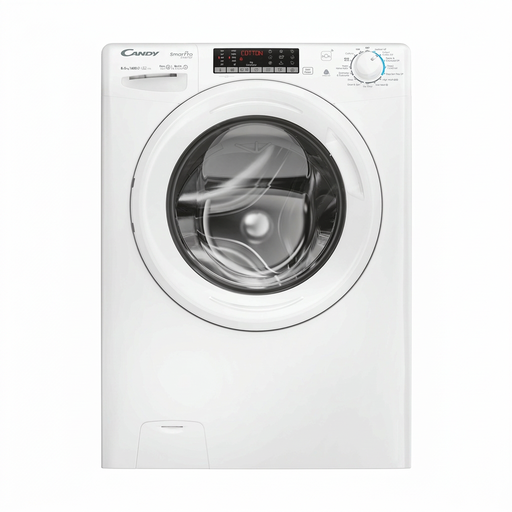 No image available
Consider this freestanding model if a 5 kg drying limit covers the loads you intend to dry in one cycle. The product name also specifies a 1400 rpm spin speed.
Confirm the installation clearances and suitable programme settings for your tea towels before ordering.
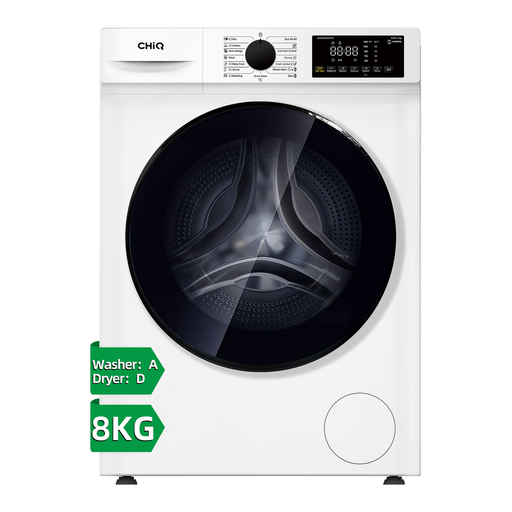 No image available
This is another one-appliance option for consumers whose planned continuous loads stay within a 5 kg drying limit. Its product name specifies a 1400 spin setting without stating a unit.
Check the programme settings against your tea towels’ care labels, and allow for hoses and the open door when measuring the space.
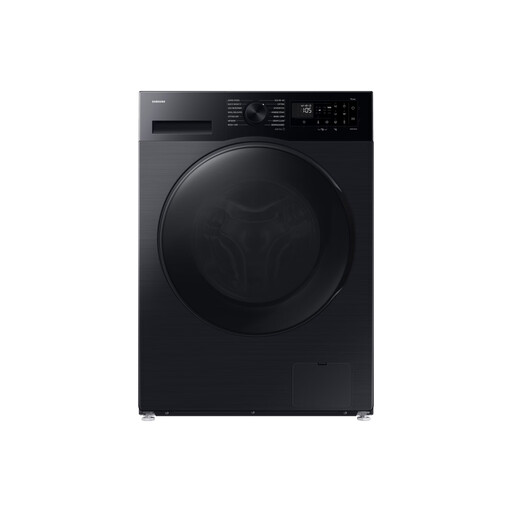 No image available
Consider its 6 kg drying limit if your intended wash-and-dry batches exceed the 5 kg limit of other models shown here. The product name identifies A for washing and D for washing and drying.
Measure the installation space and check the exact cycle settings against your tea towels’ care labels.
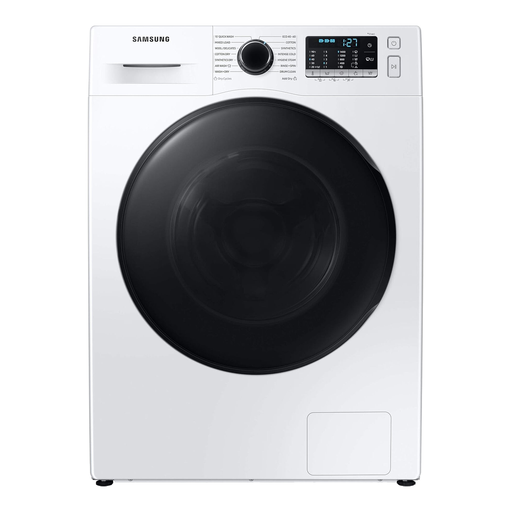 No image available
This model suits consideration where a single appliance is needed and loads intended for continuous drying remain within 5 kg. Its wash capacity is 8 kg, so a full wash load cannot all be dried at once.
Confirm the cycle settings for your textiles and the clearance required at the intended installation position.
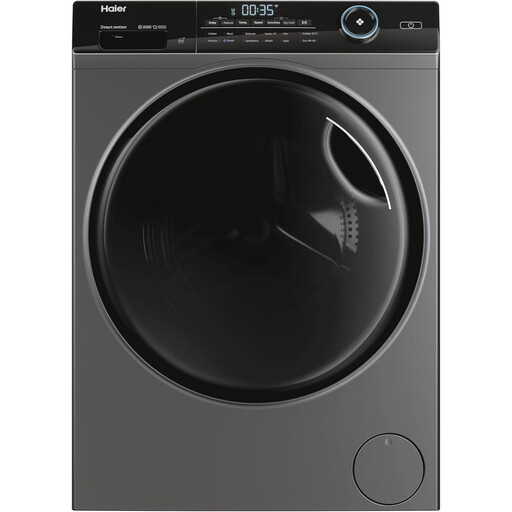 No image available
Its 6 kg drying limit may suit consumers who want to dry more of an 8 kg wash without splitting the load, while still keeping within the stated dry capacity.
Check the separate wash-only and wash-and-dry information on the energy label, along with programme settings and installation clearances.
No: check the drying limit as well, especially if you want an uninterrupted wash-and-dry cycle. Bosch lists the WNA134U8GB at 8 kg wash and 5 kg wash-and-dry, so a full wash load can exceed its drying capacity.
No universal 60°C rule applies to every ordinary tea towel. Royal United Hospital Bath NHS Trust advises 60°C for heavily soiled clothing or clothing used by a person with a known infection; for routine tea towels, follow the fabric care label and choose a suitable programme.
They describe different tested functions, so compare the rating for the cycle you expect to use. LG lists its FWV696WSE as class B for washing alone and class E for washing and drying.
Measure the installation position and check the exact model’s width, height and depth, plus space for hoses, door opening and delivery. Depth differs even among the cited freestanding models: LG lists the FWV696WSE at 565 mm and Bosch lists the WNA134U8GB at 590 mm.
It is worth comparing if combined-cycle energy use matters to you, provided the appliance fits and its capacity suits your loads. LG describes recycled low-heat air in its WHX9016TBC, an 11 kg wash and 6 kg dry model; compare its energy information and dimensions with conventional models rather than assuming that drying technology alone settles the choice.