
24/7 Customer Support

Free returns

Same-day & Next-day Delivery

Quality Guaranteed

Unlock Your Welcome Offers: FREE Delivery | Up to 80% OFF | Free 30-day JoyPlus trial
Download the APP
A compact appliance can make daily cooking easier, but the wrong choice may quickly become another item taking up valuable worktop space. UK households often face the same buying problems: impressive-looking specifications that do not match real capacity, difficult cleaning and appliances that are awkward to store or expensive to run.
Before choosing small kitchen appliances, look beyond promotional wording and check the details that affect everyday use.
A product may advertise a large bowl, tank or cooking chamber, but the practical capacity can be lower. For example, a stand mixer may have a 6-litre bowl while recommending a smaller usable batch size. An air fryer oven’s stated volume also does not necessarily represent the amount of food that can cook evenly in one layer.
Check both the total capacity and any stated recommended food capacity. This matters particularly for families, batch bakers and people preparing meals for guests.
An electric hot pot may support boiling, steaming, frying and simmering, while a multifunction blender may chop, blend and grind. However, each function can have different limits. Motor runtime, heat settings, attachment size and ingredient restrictions all affect performance.
Read the operating instructions before buying. A food chopper with a maximum continuous operating time of 40 seconds, for example, must be rested between cycles. It should not be used for ice, bones or frozen food if the instructions prohibit these ingredients.
Removable parts, dishwasher-safe accessories and self-cleaning programmes can make a substantial difference. However, a self-cleaning function does not always replace emptying water, wiping seals or descaling. Likewise, a compact appliance still needs clearance around vents, a stable surface and a suitable socket.
Measure your available space, including height under cupboards and room for cables, lids, baskets or attachments.
Wattage indicates electrical input, not guaranteed cooking speed or food quality. A 2,100W electric kettle may boil water quickly, but it can draw more power during use than a 1,000W health kettle. For an approximate cost, multiply the appliance’s kilowatt rating by its running time in hours and your electricity tariff.
Look for controls that suit your routine:
For small kitchens, dimensions are as important as volume. A 20-litre digital microwave may fit a standard dinner plate while remaining suitable for a limited worktop. A 50 × 25cm tabletop grill offers more cooking area but requires a larger clear surface and safe space around hot components.
Compare the appliance dimensions with the location where it will be used, rather than relying on product photographs.
For food-contact areas, check the stated material, such as stainless steel, glass or a non-stick coating. Non-stick surfaces should be cleaned with suitable utensils and non-abrasive products. Electrical appliances should include clear manufacturer information, operating instructions and appropriate safety features.
For UK use, confirm the appliance is suitable for the 230–240V, 50Hz supply and has a compatible UK Type G plug or approved arrangement. Look for features such as overheat protection, boil-dry protection, child locks or automatic shut-off where relevant. Never immerse a motor unit, plug or electrical base in water.
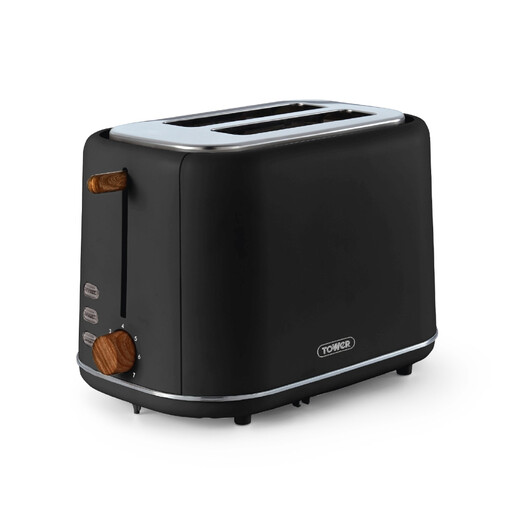
Why This Fits Their Persona: A practical breakfast appliance for students, tenants and smaller households that need everyday functions without a large footprint.
It provides clearly stated two-slice capacity, seven browning settings, wide slots and a removable crumb tray instead of relying on appearance alone.
Defrost, reheat and cancel functions; integrated cord storage helps keep a compact worktop tidy.
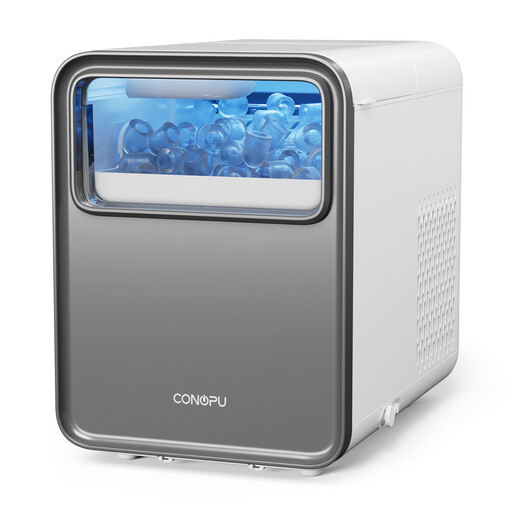
Why This Fits Their Persona: Suitable for people who entertain at home, want ice readily available or need a portable option for camping, a motorhome or gatherings.
The stated 1.5L tank, two ice sizes, water shortage indicator and ice-full indicator make capacity and operation easier to judge.
Produces nine bullet-shaped cubes in approximately 6–8 minutes; includes a 30-minute automatic cleaning cycle and drain hole.
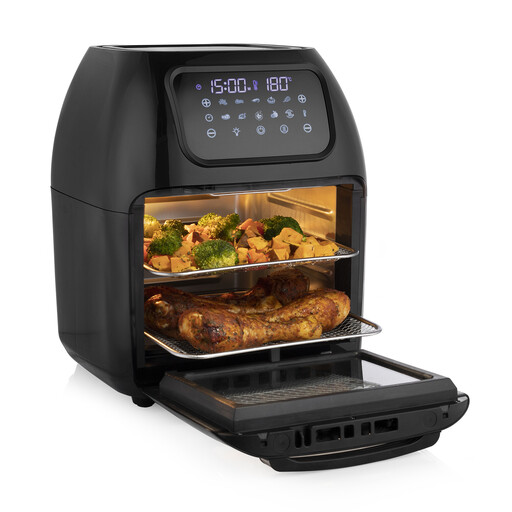
Why This Fits Their Persona: A useful option for busy families and home cooks who want one appliance for roasting, grilling, baking and air frying.
The specification separates 10L total capacity from a stated maximum of up to 900g of fries, giving a more useful picture of portion planning.
Temperature range of 65–200°C; 60-minute timer, viewing door, two grill racks and dishwasher-safe removable accessories.
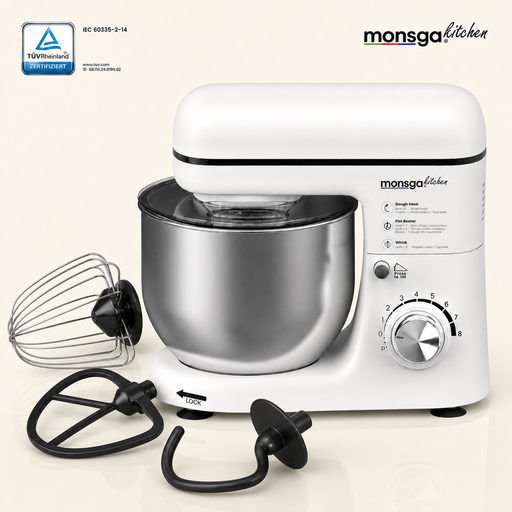
Why This Fits Their Persona: Designed for households that regularly knead dough, whisk mixtures and prepare larger cake or bread batches.
The listing states both the 6L maximum bowl capacity and recommended 5L usable capacity, helping bakers plan realistic batches.
Eight speed settings, planetary mixing, tilt head, splash guard and stainless steel bowl; attachments are described as dishwasher safe.
We have compiled a complete, real-time list of products that fully satisfy these strict selection criteria and UK safety regulations.
Start with appliances that solve a repeated task. An electric kettle, 2-slice toaster, digital microwave or food chopper can support everyday meals. For more specialised use, consider a worktop ice maker, electric hot pot, air fryer oven, tabletop grill, multifunction blender or stand mixer.
Measure the appliance’s full footprint and allow extra space for ventilation, controls and opening lids or doors. Microwaves and air fryer ovens require clearance around vents, while tabletop grills need a stable, heat-resistant area away from flammable materials.
Power consumption depends on wattage and operating time. High-wattage appliances such as air fryer ovens, tabletop grills and kettles may use more electricity per minute, but short cooking cycles can limit total consumption. Compare the wattage, typical usage time and standby features before purchasing.