Single-smoothie makers with limited space
You usually make one cold smoothie and want a cup-sized serving without giving over much worktop or storage space to the appliance.


For one or two cold date smoothies, start with a personal blender whose cup suits your serving size, then check the exact model’s guidance if you also use ice or frozen fruit. A portable model makes sense when cordless use matters; a larger jug is more relevant for regular batches or other recipes, provided you have room to operate and store it. Remove date stones before blending, and follow the model’s instructions for ingredients, hot liquids and cleaning.
You usually make one cold smoothie and want a cup-sized serving without giving over much worktop or storage space to the appliance.
You combine pitted dates with ingredients such as frozen fruit, ice or seeds, so the exact model’s ingredient guidance matters more to you than choosing the smallest format.
You also make several portions, sauces or hot recipes and are weighing a jug blender’s capacity and controls against the space it takes.
Choose when: You mainly make one cold smoothie and want to blend in a personal cup.
Trade-off: Cup capacity limits batches, and a personal cup must not be assumed suitable for hot liquids.
Choose when: Cordless blending away from a socket matters as well as storage space.
Trade-off: Portability alone says nothing about whether the model can process firm dates, ice or repeated batches.
Choose when: You regularly need several portions or controls for other recipes.
Trade-off: Check the jug’s operating and storage dimensions before committing space to it.
| Concern | What to check | Who this matters to |
|---|---|---|
| Ingredients and texture | Check the model’s instructions for pitted dates and any ice or frozen fruit in your recipe; wattage alone cannot establish the result. | If I add ice or frozen fruit to pitted dates, I want to know the blender permits those ingredients before I choose it. Around 32% of consumers put ingredient handling and texture first. |
| Worktop space | Compare height, width and depth where the blender will operate, allowing room to fit and remove its cup or lid. | With little clear worktop space, I need an appliance I can set up and put away without difficulty. Space is the primary concern for around 31% of consumers. |
| One-serving routine | Check the supplied cup size and which removable parts the maker says are dishwasher-safe. | When I make one cold smoothie, blending into a drinking cup and washing fewer parts matter most. Around 25% of consumers prioritise that routine. |
| Batch and hot-food use | Check usable jug capacity, controls and whether the exact model permits hot liquids. | If I also prepare several portions or hot recipes, a single-serving cup may not cover the job. Those broader uses come first for around 12% of consumers. |
Motor wattage does not, by itself, tell you how a particular blender will handle your mixture of dates and other ingredients.
Compare the exact model’s ingredient instructions, usable capacity and operating limits alongside its power rating.
nutribullet’s date-smoothie recipe calls for a pitted date; whole dates are not the starting point for that preparation.
Check each date and remove its stone before adding it to the blender.
nutribullet warns against putting hot, warm or carbonated ingredients in its blending cups because pressure can build up.
If hot recipes matter, follow the exact appliance instructions and choose a model explicitly designed for that use rather than treating a personal cup as interchangeable with a vented jug.
A blender can fit on a shelf yet leave too little room to attach or remove its cup or lid during use.
Measure the place where you will operate it as well as where you will store it, then compare those measurements with the model’s dimensions.
Bosch offers a useful distinction between its compact VitaPower Series 2 route and larger jug models.
The 600 Series uses personal cups, while the separate nutribullet Blender uses a 1.6 L jug.
Tefal’s range separates mini, portable and larger jug blenders, making format a useful starting point.
These choices span a portable cup, a corded personal blender and larger-capacity blenders. Match the cup or jug to your usual serving size, then check the exact model’s ingredient and space requirements for your date-smoothie recipe.
 No image available
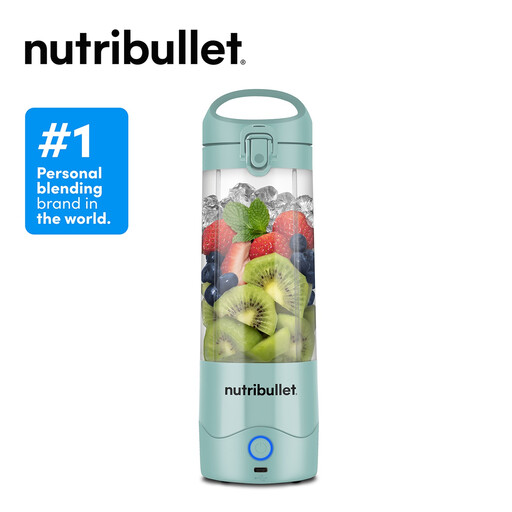
Consider this cup format if you want a single cold smoothie and value cordless use. The product name specifies a 475 ml cup and USB-C charging. Check the model’s guidance for the ingredients you plan to blend.
 No image available
Consider this personal-cup format for individual cold smoothies when a 900 ml cup suits your portions. Its product name specifies a 1200 W rating and two blending options. Check the exact model’s instructions for dates, other ingredients and permitted liquid temperatures.
 No image available
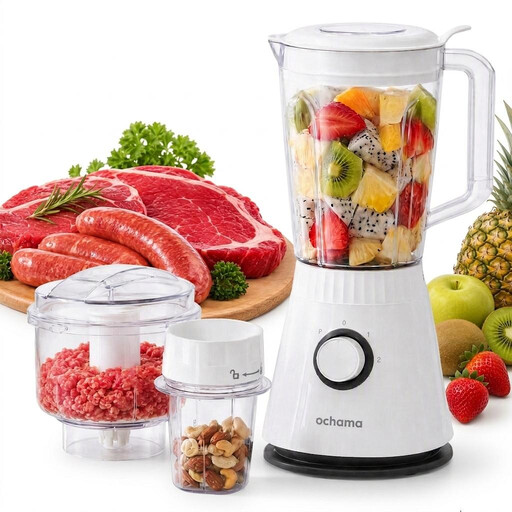
Consider the stated 1.5 L capacity if you plan to make more than a personal-cup serving. The product name also specifies a 600 W rating and three speed settings. Check the operating dimensions, supplied components and ingredient instructions against your kitchen and recipe.
 No image available
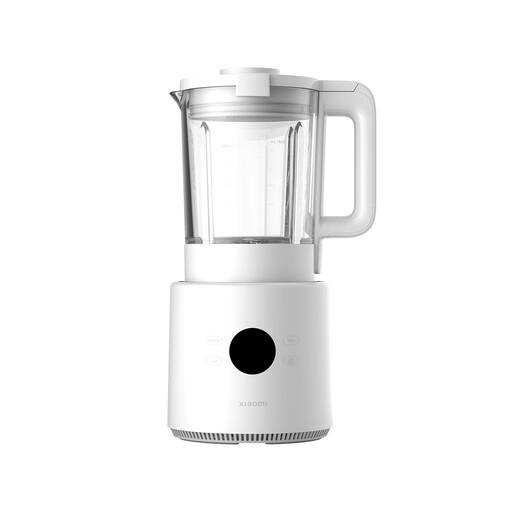
Consider this option if your blender will also serve recipes beyond one cold date smoothie. Before choosing it for a small kitchen, compare its dimensions and intended operating space, and check the model’s instructions for your ingredients and any hot recipes.
Yes—remove the stones. nutribullet’s date-smoothie recipe specifies a pitted date; for particularly firm or dry dates, follow your recipe and blender’s instructions rather than assuming every compact model handles them alike.
Do not assume a personal cup is suitable for hot liquids: nutribullet specifically warns against hot, warm or carbonated ingredients in its cups because pressure can build up. Its separate 1.6 L jug blender is described with a vented lid cap for hot liquids, but follow the instructions for the exact model you choose.
Check which components can go in the dishwasher and which cups and lids come with the exact product. For example, nutribullet lists the 600 Series cups, lids and lip rings as dishwasher-safe; follow the relevant model’s instructions for its other parts.
Use an electrical-recycling route rather than general waste. UK guidance from GOV.UK describes waste electrical and electronic equipment rules intended to encourage recovery, reuse and recycling; check your local council’s guidance or an available retailer take-back option for the appliance.