Frequent chilled-dessert makers
If cake boxes, dessert pots and prepared trays regularly fill the fridge, look closely at chilled-compartment volume and whether the shelves leave enough height for your containers.


Choose a freestanding undercounter larder fridge if chilled space and flexible shelf positions are your priorities. Choose an integrated model only if its cabinet opening and hinge arrangement match your kitchen; an icebox is useful for frozen items but leaves less room for chilled desserts.
If cake boxes, dessert pots and prepared trays regularly fill the fridge, look closely at chilled-compartment volume and whether the shelves leave enough height for your containers.
Measure the available space and the door-opening path. A freestanding fridge and an integrated one have different installation requirements, even when their dimensions look similar.
If the fridge will run close to where you spend time, compare declared noise alongside the energy label, appliance size and annual energy information.
Choose it when: Chilled desserts need the available fridge compartment rather than a separate freezer section.
Allow for: The appliance’s full depth and the installation clearances specified for the model; it will not sit behind a fitted cabinet door.
Choose it when: You have a suitable fitted-kitchen opening and want the fridge behind a furniture door.
Allow for: Matching the cabinet, door panel, hinge and ventilation arrangement to the exact appliance.
Choose it when: A small frozen-food compartment matters more to you than maximising chilled-dessert space.
Allow for: Less room in the chilled compartment for boxes and trays than the appliance’s total capacity might suggest.
| Concern | What to check | Who this matters to |
|---|---|---|
| Chilled storage | Check the dessert’s storage instructions and the fridge’s actual temperature, rather than relying only on its control setting. The Food Standards Agency recommends that domestic refrigerators function between 1°C and 5°C. | If I regularly load desserts containing cream or custard, keeping them at the required temperature comes before extra features. Around 31% of consumers put temperature assurance first. |
| Flexible chilled space | Compare chilled-compartment litres rather than total litres, then check shelf positions against the height of your boxes or covered trays. | When tall cakes and prepared trays need to fit without awkward stacking, usable shelf space is my deciding factor; roughly 25% of consumers prioritise that flexible chilled capacity. |
| Fit and door access | Measure height, width, full depth and the door-opening path. For a fitted model, check the cabinet opening and hinge arrangement too. | In a kitchen with little room beside the worktop, I need to know the fridge and its door will fit before comparing features. About 25% of consumers make physical fit their primary concern. |
| Energy and noise | Compare similar-sized appliances using their energy labels and declared noise. Energy Saving Trust explains that appliance labels provide efficiency, energy-use and noise information. | If the fridge will run near where I sit or sleep, its ongoing energy use and sound matter more to me than an extra feature; around 19% of consumers put these running considerations first. |
An icebox or freezer compartment takes up space that cannot be used for chilled dessert boxes. Litres also cannot tell you whether a tall container fits between shelves.
Compare the stated chilled-compartment volume and check the shelf layout against the containers you actually use.
Depth, door swing and the route into the kitchen can affect placement. An integrated appliance also needs compatible cabinetry and a matching hinge system.
Measure the available height, width and depth, then check the open-door path and the model’s installation instructions before ordering.
A fitted installation may also require arranging someone to install the appliance and furniture door.
A setting or rapid-cooling feature does not show the temperature at which food is actually being stored. Dessert-specific storage instructions still apply.
Let the fridge stabilise after setup and check its actual temperature with a suitable thermometer if you are unsure. Keep desserts covered and avoid leaving the door open unnecessarily.
Removing an existing appliance needs planning alongside access for the new one.
Check the retailer’s collection and access arrangements before checkout, and arrange an appropriate route for the old appliance rather than putting it in general waste.
Relevant to compact freestanding undercounter fridges, including chilled-only and fridge-with-freezer-compartment formats.
Relevant to shoppers considering a compact freestanding larder fridge with a door alarm.
Relevant where a stated temperature-setting range and declared noise figure are important comparison points.
Relevant to fitted kitchens needing an integrated undercounter fridge rather than a freestanding appliance.
These choices cover freestanding undercounter fridges, a built-under model and a smaller standalone fridge. Compare each one with your available space and the dessert containers you need to store; a compact fridge is not necessarily suitable beneath every worktop.
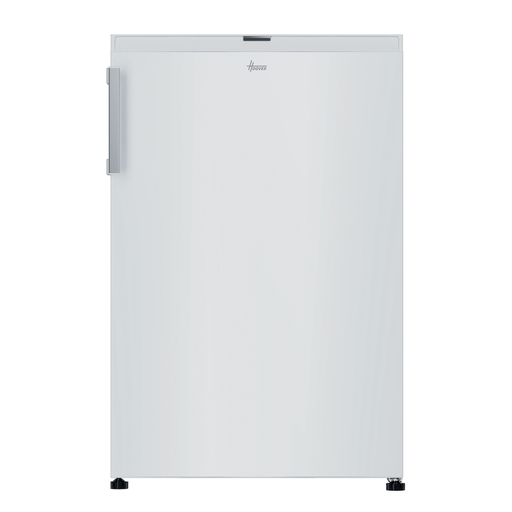 No image available
Consider this undercounter model if you need chilled-dessert storage beneath a worktop. Check its internal shelf clearances against your cake boxes or trays, and confirm the available space and door-opening path before ordering.
 No image available
This built-under option is for a fitted kitchen with a compatible opening and furniture door. The product name states an E energy rating; check the installation instructions for the required door arrangement and ventilation before choosing it.
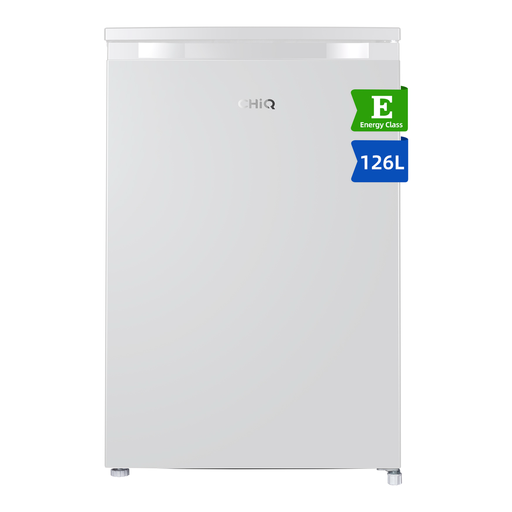 No image available
The 126L larder format is relevant if chilled storage, rather than a freezer compartment, is your priority. This is listed as a 55 cm, E-rated model; check whether its shelf arrangement accommodates tall dessert containers and whether its door can open comfortably in your kitchen.
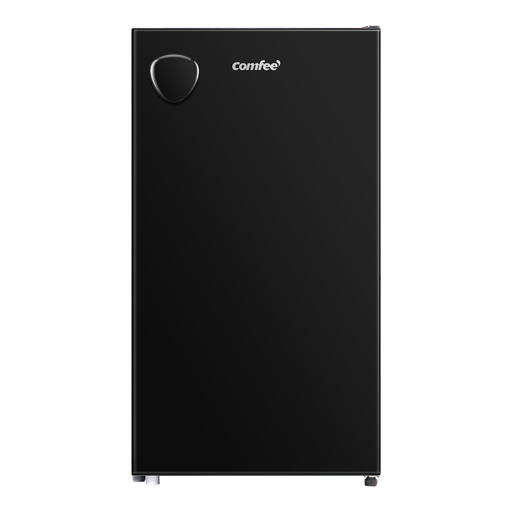 No image available
Consider this smaller fridge where available space limits appliance choice, but check that 88L is enough for your dessert containers. Its listed features include a cooler box, adjustable thermostat, reversible door and removable glass shelves. Do not use the dedicated cooler zone to store items for more than two hours.
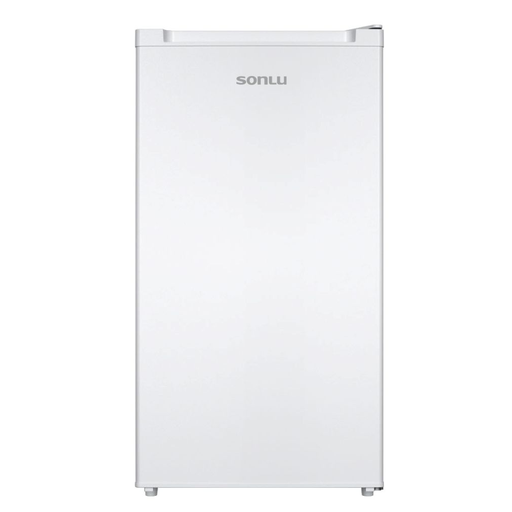 No image available
This smaller-capacity model may suit modest quantities of chilled desserts if its interior fits your containers. The product name states an E energy rating; confirm its external dimensions and installation requirements rather than assuming it will fit beneath a worktop.
Follow the dessert’s storage instructions first. For general domestic refrigeration, the Food Standards Agency recommends that fridges function between 1°C and 5°C; use a suitable thermometer to check the actual temperature if you are unsure.
Only if the space can accommodate the integrated model’s required cabinet, furniture door, hinge and ventilation arrangement. For example, the Neff KU1212FE0G is a fixed-hinge integrated appliance, whereas Beko describes the UL4584 as freestanding with a reversible door.
No; compare appliances of a similar type and size, and read their product-specific energy-use and noise information. Energy Saving Trust explains that appliance labels show more than the A-to-G efficiency rating.