Small-kitchen refitters
You need a fitted hob that suits the actual worktop opening, cabinet and electrical setup—not just one described as 60 cm wide.


For a fitted small kitchen, choose an induction hob only after checking the exact worktop cut-out, cabinet clearance and electrical requirements; a nominal 60 cm width does not establish that it will fit. Consider bridge zones for a wide sauté pan, integrated extraction if the cabinet can accommodate it, or a portable single-zone unit when you cannot alter the worktop. Whichever format you choose, check that your pans have induction-compatible magnetic bases and that the model offers the controls you want for gentler cooking.
You need a fitted hob that suits the actual worktop opening, cabinet and electrical setup—not just one described as 60 cm wide.
You soften leeks and finish them with cream, so adjustable heat, a suitable pan and any useful timer or pause controls matter more to your choice than boost power alone.
If you cannot install a built-in hob, a portable single-zone unit offers a way to cook in one pan without cutting the worktop. It still needs counter space while in use.
Decide whether a fitted installation is possible before weighing cooking-zone features. Then consider how you cook the leeks: in one saucepan, a wider sauté pan or alongside other dishes.
| Concern | What to check | Who this matters to |
|---|---|---|
| Fit and installation | Compare the exact cut-out and cabinet clearances with the installation drawing; check the electrical connection. | In a small fitted kitchen, I need the hob to suit my worktop and supply before its extra controls matter. Around 40% of consumers put fit and installation first. |
| Gentler heat control | Check the model’s selectable settings and any timer or pause controls; use a compatible pan. | When softening leeks and adding cream, I want to adjust the heat without relying on boost. For roughly 30% of consumers, cooking control is the primary concern. |
| Pan space and steam | For wide cookware, check which zones can be combined; for integrated extraction, check cabinet space and the extraction arrangement. | If I use a wide sauté pan or need extraction at the hob, those features shape the kitchen layout. About 20% of consumers chiefly prioritise pan flexibility or steam handling. |
| No-alteration cooking | Check a portable unit’s cooking-zone count, connection requirements and space needed in use and storage. | Without permission or space to alter the worktop, I need a cooking point I can put away, while accepting one zone. Portability comes first for around 10% of consumers. |
A 60 cm-class hob may need a different worktop opening or cabinet clearance from the one it replaces.
Measure the opening and compare the chosen model’s installation drawing with the worktop, cabinet contents and required clearances.
A mismatch could mean altering the worktop or postponing installation.
Electrical connections vary by model; a hardwired hob cannot be treated as a plug-in replacement.
Check the model’s stated connection and electrical load against your kitchen setup. Ask a qualified electrician where the installation is unclear.
The kitchen’s electrical setup may need work before the hob can be installed.
Induction cooking requires a suitable magnetic pan base. Bosch UK advises using ferromagnetic cookware.
Check your pans for induction suitability and compare their bases with the cooking zones before choosing a hob.
A hob that extracts at the cooking surface also places extraction equipment below it, making cabinet planning part of the choice.
Check the exact model’s depth, cabinet requirements, extraction configuration and installation instructions before committing to this format.
AEG’s OIO64B00IB is a fitted-hob example for a kitchen where the worktop opening and a wide-pan cooking option both matter.
The Bosch models considered here illustrate different fitted formats: the PIX631HC1E has flexible-zone controls, while the PVS611B16E integrates extraction.
NEFF offers model-specific options for shoppers considering a 60 cm built-in hob or flexible cooking zones.
These choices are 60 cm built-in induction hobs for a fitted kitchen. Compare each model with your worktop and electrical setup before deciding whether its zone layout suits the pan you use for creamy leeks.
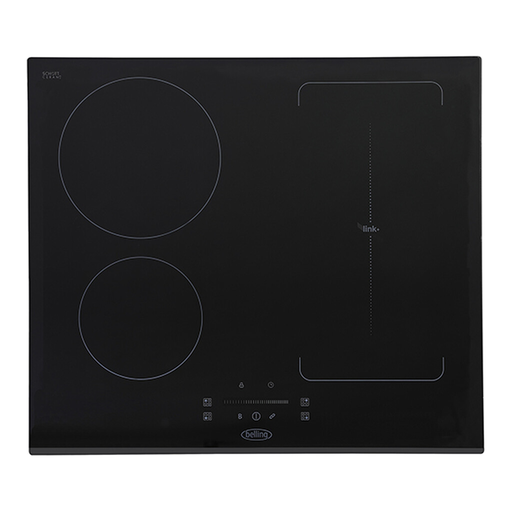 No image available
Consider this fitted format if you cook in a wide sauté pan; check its zone layout against your cookware. Compare the required cut-out and electrical installation with your kitchen, and check the instructions for the gentler settings you want.
 No image available
This hardwired fitted hob is an option when you want a permanent cooking surface rather than a portable unit. Check the installation drawing against your cut-out and confirm that the electrical supply is suitable; assess its gentler heat settings in the model instructions.
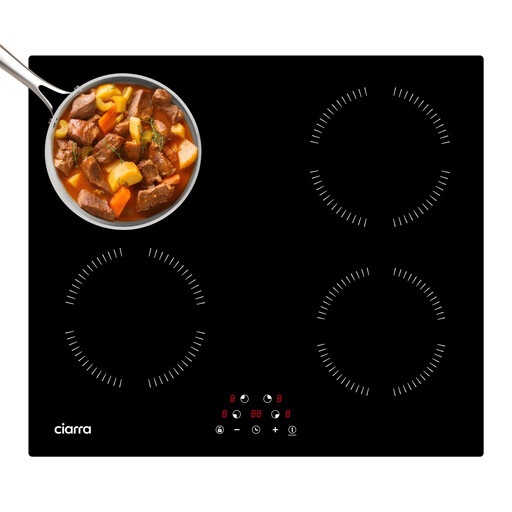 No image available
The four-zone layout is worth considering if you prepare the leeks alongside other pans. Before choosing it, compare its installation requirements with your worktop and electrical setup, and check how its lower settings operate.
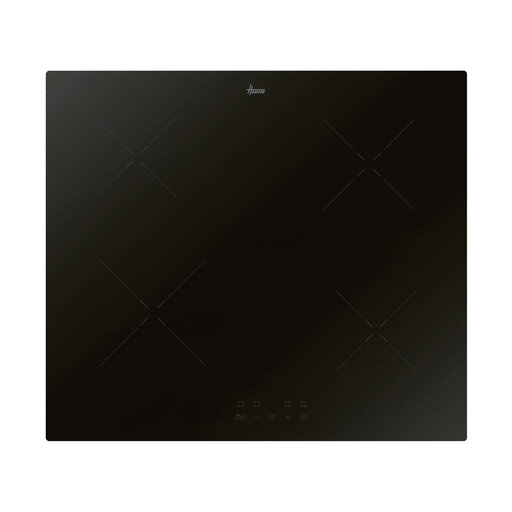 No image available
This fitted four-zone format suits a kitchen where you need room for several pans. Check the worktop opening, cabinet clearances and electrical connection before selecting it, rather than relying on the nominal width.
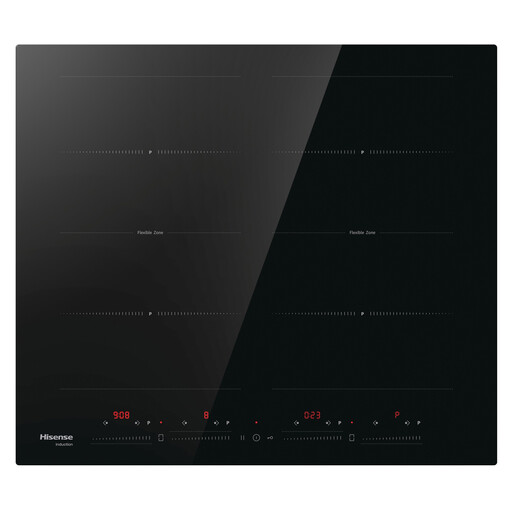 No image available
If you use a wide sauté pan, check which zones the Area Flex function can combine and whether they suit its base. Confirm the model’s cut-out, cabinet clearances and electrical connection before planning a fitted installation.
No: compare the exact model’s installation cut-out with your worktop, not just its nominal width. AEG UK specifies an overall size of 580 × 510 mm but a built-in opening of 560 × 490 mm for the OIO64B00IB; other models can have different requirements.
Look for heat settings you can adjust as the leeks soften and the cream is added, rather than choosing on boost power alone. Check the exact hob’s instructions for its lower settings and any timer or pause functions, and use a suitable induction pan.
They will need induction-compatible magnetic bases. Bosch UK identifies ferromagnetic cookware as suitable; check each pan’s induction marking or magnetic base rather than assuming all pans made from the same material will work.
Do not assume so: the connection depends on the model. The Bosch Series 4 PIE631BB5E shown above is identified as hardwired, and Electrical Safety First advises checking an appliance’s power requirements to avoid overloading wiring. Ask a qualified electrician if your kitchen’s supply or the fitting requirements are unclear.