
24/7 Customer Support

Free returns

Same-day & Next-day Delivery

Quality Guaranteed

Unlock Your Welcome Offers: FREE Delivery | Up to 80% OFF | Free 30-day JoyPlus trial
Download the APP
As a pet owner, providing a safe and comfortable space for your small companion is a top priority. A good small pet hideout is more than just an accessory; it's a crucial element for their well-being, offering security and a sense of calm. However, the market is filled with options that look appealing but fall short in practice. Before you make a purchase, it's important to be aware of a few common pitfalls that can lead to wasted money and, more importantly, an unsuitable environment for your pet.
From my position as a Joybuy Product Recommendation Officer, I see many products and hear a lot of feedback. Here are three frequent issues UK shoppers encounter:
To ensure you select a hideout that is safe, durable and genuinely beneficial for your pet, focus on these core parameters. This is how you can add valuable cage enrichment for small pets without the guesswork.
The material of a hideout dictates its durability, cleanability and safety.
A hideout must be appropriate for the species and size of your animal.
Consider the primary function you want the hideout to serve. Is it a permanent sleeping den or a chewable piece of enrichment that will be replaced? Many owners find a combination works well: a durable plastic hideout for sleeping and a separate, chewable willow or grass hideout for play and dental health.
To help you match a product to your specific needs, here are a few options that align with different owner profiles and pet types.
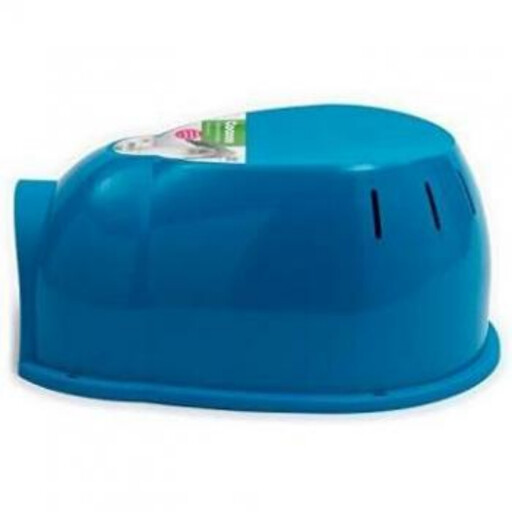
Why This Fits Their Persona: This owner needs a permanent, no-fuss shelter that is correctly sized for their larger small pet. Their priority is a hygienic, long-lasting structure that provides a secure resting place within the enclosure.
It directly counters the "one-size-fits-all" myth by being specifically designed for the dimensions of guinea pigs and dwarf rabbits. Its sturdy plastic construction also avoids the hygiene and durability pitfalls.
Very easy to clean and disinfect, promoting a healthy environment. The durable material withstands daily use without degrading.
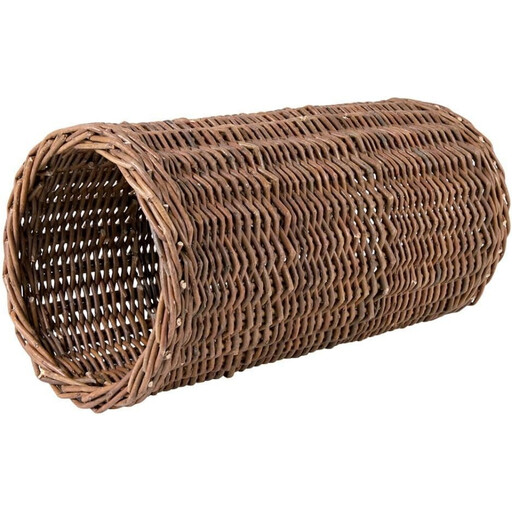
Why This Fits Their Persona: This owner wants to provide natural stimulation for their pet (like a hamster, gerbil or mouse). They understand the importance of chewing for dental health and are looking for an item that serves as both a hideout and an interactive toy.
This product is designed to be chewed, turning the "durability" issue into a feature. Made from 100% natural willow, it is safe for consumption and avoids the risk of pets ingesting harmful plastics or glues.
Dual-purpose design acts as both a hideaway and a chew toy. It encourages natural foraging and burrowing behaviours.
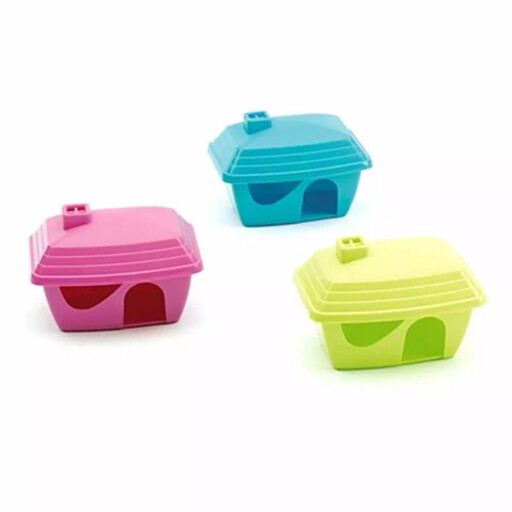
Why This Fits Their Persona: Ideal for new or value-conscious hamster owners who want a simple, safe and reliable hideout. They need a product that is easy to clean, made from non-toxic materials and adds a cheerful touch to the cage.
This house is made from durable, non-toxic plastic, avoiding the trap of flimsy, unsafe materials. Its simple two-part design makes it exceptionally easy to clean, preventing hygiene issues.
A practical and affordable choice that prioritises safety and hygiene. The ventilated design ensures comfort for a resting hamster.
We have compiled a complete, real-time list of products that fully satisfy these strict selection criteria and UK safety regulations.
This depends on the material. Plastic hideouts should be spot-cleaned for any soiling daily and given a thorough clean with a pet-safe disinfectant at least once a week during a full cage clean. Natural, chewable hideouts like willow or grass should be checked daily and replaced immediately if they become heavily soiled or wet. They should also be replaced once they are chewed down to a point where they no longer offer a secure hiding space.
Both materials offer distinct benefits, and the ideal setup often includes one of each. A durable plastic guinea pig house or hamster igloo serves as an excellent permanent, hygienic sleeping area. A natural pet chew toy like a willow tube or grass hut provides crucial enrichment, encourages natural behaviour and helps wear down ever-growing teeth. Offering both gives your pet choice and variety.
A well-sized hideout allows your pet to enter, exit and turn around inside without a struggle. The entrance should be clear and not a tight squeeze. For social animals like guinea pigs, which are often kept in pairs or groups, it is wise to provide at least one hideout per animal, plus one extra, to prevent any squabbles over prized sleeping spots.