
24/7 Customer Support

Free returns

Same-day & Next-day Delivery

Quality Guaranteed

Unlock Your Welcome Offers: FREE Delivery | Up to 80% OFF | Free 30-day JoyPlus trial
Download the APP
Transforming a room's atmosphere used to mean a fresh coat of paint or new furniture. Today, it can be done with the tap of an app. The world of smart ambient lighting offers an incredible way to personalise your space, but the market is flooded with options that can be confusing. Many products promise a high-tech experience but fall short, leading to disappointment and wasted money.
Before you invest, it's crucial to understand the common pitfalls. Many UK buyers find themselves stuck with lights that suffer from three main issues:
To avoid these traps, focus on a few core parameters that determine quality and usability. Looking past the marketing hype and checking these details will ensure you get a product that performs as expected.
The "smart" in smart lighting is only as good as its connectivity. A truly integrated system should work effortlessly with the smart home ecosystem you already use.
Not all LEDs are created equal. The technology inside the bulb or strip dictates the quality of the light you see.
The right type of light depends entirely on your goal. Consider the primary use case before choosing a format.
Instead of a one-size-fits-all approach, we've matched some standout products to the people they are designed for.
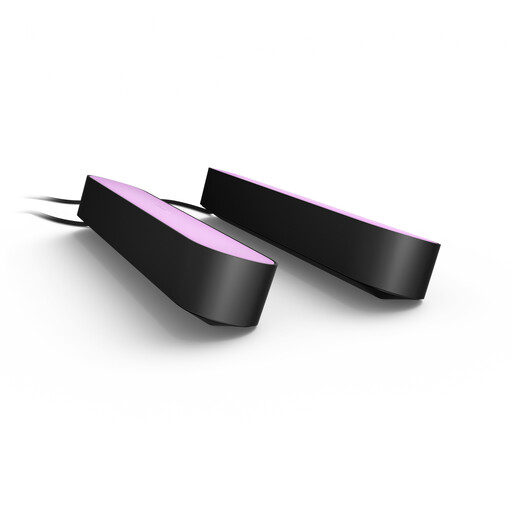
Why This Fits Their Persona: This user wants their lighting to react to what’s on screen. The Hue Play bars are designed to sit behind a monitor or TV, creating a vibrant wall-washing effect that extends the colours of games and movies into the room for a deeply immersive experience.
It sidesteps the "fragmented control" trap with its robust ecosystem and Hue Sync software. It also delivers exceptional colour accuracy and brightness, avoiding the "poor colour" pitfall common in cheaper alternatives.
The key advantage is its ability to synchronise with on-screen content via the Hue Sync app (requires a Hue Bridge). The build quality is solid, and the included stands allow for versatile placement.
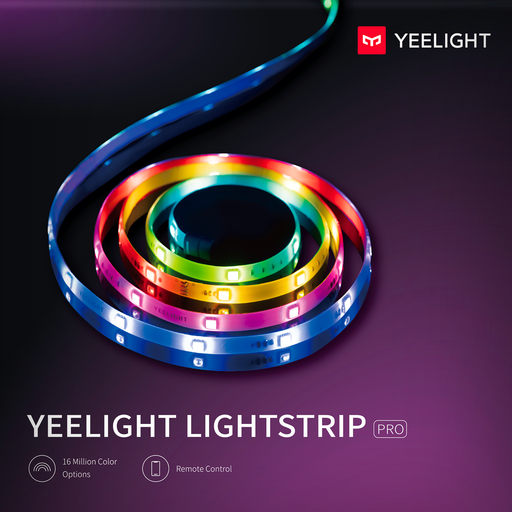
Why This Fits Their Persona: This user sees lighting as a design tool. They want to create custom scenes, highlight architectural features or add a splash of colour to their living space. This flexible strip is perfect for under-cabinet, cove or accent lighting.
Its RGBIC technology directly counters the "poor colour" trap by enabling multiple colours on one strip for beautiful gradients. The Yeelight app is well-regarded and integrates with major smart home platforms, avoiding the "clunky app" issue.
The ability to paint with light using addressable colour zones is its main strength. It's also extendable (with the Pro Extension), allowing for longer, continuous runs for larger projects.
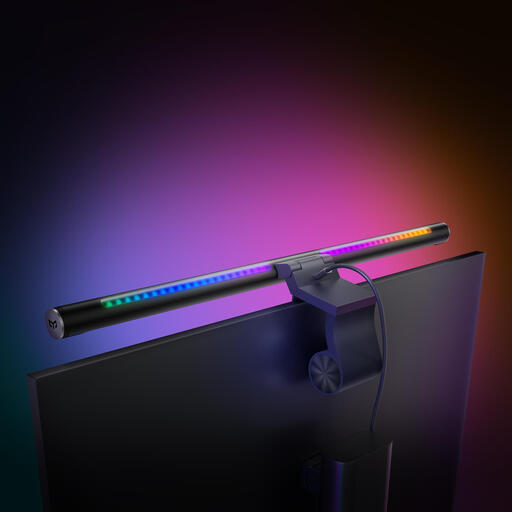
Why This Fits Their Persona: This user needs functional, ergonomic lighting for their home office or study space. They value a clean, clutter-free desk. This light bar mounts atop the monitor, illuminating the desk without causing screen glare or taking up valuable surface area.
It solves a specific problem—desk glare—that many generic lamps create. Its solid metal construction and secure mount avoid the "flimsy build" trap, while Matter compatibility ensures it integrates smoothly into any smart home setup.
The asymmetrical optical design is its standout feature, directing light onto the desk and away from the screen to reduce eye strain. The wireless dial controller provides satisfying tactile control.
We have compiled a complete, real-time list of products that fully satisfy these strict selection criteria and UK safety regulations.
No, they do not. Many modern smart lights, including options from Yeelight and Tapo, connect directly to your home's Wi-Fi network and can be controlled via an app or voice assistant without any extra hardware. Systems like Philips Hue often use a bridge or hub to enable more advanced features like screen mirroring (Hue Sync) and to ensure a more stable connection for a large number of lights, but it's not a requirement for all smart lighting.
One of the major benefits of this technology is its energy efficiency. Smart lights use LEDs, which consume significantly less power than traditional incandescent or halogen bulbs. An average LED light strip or smart bulb uses only a few watts of power, so leaving them on for ambience will have a minimal impact on your electricity bill.
Most LED light strips are designed to be customised. They have designated cut marks, usually indicated by a small scissor icon, every few centimetres. You can safely trim the strip at these points to fit your space perfectly. However, be aware that the offcut piece cannot typically be used unless you purchase specific connectors to re-power it. Always check the manufacturer's instructions before cutting.