
24/7 Customer Support

Free returns

Same-day & Next-day Delivery

Quality Guaranteed

Unlock Your Welcome Offers: FREE Delivery | Up to 80% OFF | Free 30-day JoyPlus trial
Download the APP
Tracking your health journey has moved far beyond simply noting the number on a traditional scale. For those in the UK who are serious about fitness and well-being, understanding your body's composition—the ratio of fat to muscle, water content and more—is crucial. However, the market is filled with smart body fat scales, each offering a dizzying array of features and metrics. How do you choose the right one for your specific goals?
This guide is designed to cut through the clutter. We will walk you through the key features to consider when purchasing a smart weight scale and present some of our top recommendations to help you make an informed decision.
Selecting the right body composition scales comes down to understanding what data is most valuable to you and how you plan to use it. Here are a few key considerations.
Modern scales can measure much more than just weight. They use a technology called Bioelectrical Impedance Analysis (BIA) to estimate various components of your body. While some scales offer over 20 metrics, focus on the ones that align with your health objectives:
Look for digital scales with body fat and muscle mass tracking as a solid foundation for any fitness-oriented user.
The "smart" in smart scales comes from their ability to connect to your phone. This is typically done via Bluetooth or Wi-Fi.
Good scales with app sync will present your data in easy-to-read charts and graphs, allowing you to track trends over weeks and months.
If you live in a multi-person household, you will want a scale that can automatically recognise different users. Most smart scales can store multiple profiles, keeping each person's data private and separate. This prevents your progress from getting mixed up with that of your partner or housemates.
Here are a few models that stand out for their features, design and user experience.
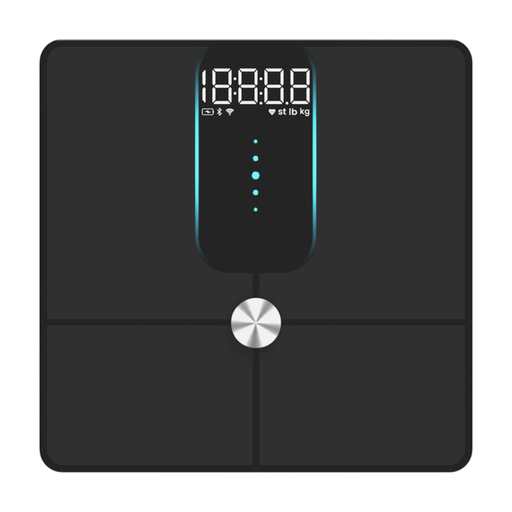
Why It Stands Out This scale is built for the data-driven user who values both comprehensive analysis and modern convenience. Its standout feature is the dual Bluetooth and Wi-Fi connectivity, which ensures your data syncs automatically and reliably. The use of a conductive ITO-coated glass surface means there are no visible metal electrodes, giving it a sleek, minimalist look that fits perfectly in a contemporary bathroom.
Pros
Who is it for? This is an excellent choice for tech-savvy individuals and those in smart homes who want a complete picture of their health metrics without the fuss of manual syncing.
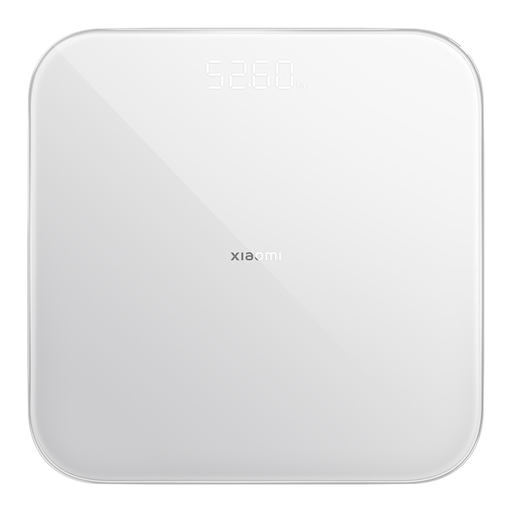
Why It Stands Out The Xiaomi S200 is a practical and versatile option, particularly well-suited for families. It can store up to 36 user profiles and automatically identifies each person who steps on it. Beyond standard metrics like weight and BMI, it includes a unique balance test feature within the Xiaomi Home app, offering an interesting way to assess your body's stability and coordination.
Pros
Who is it for? Ideal for large families or shared households that need a reliable scale to track basic health metrics for multiple people effortlessly.
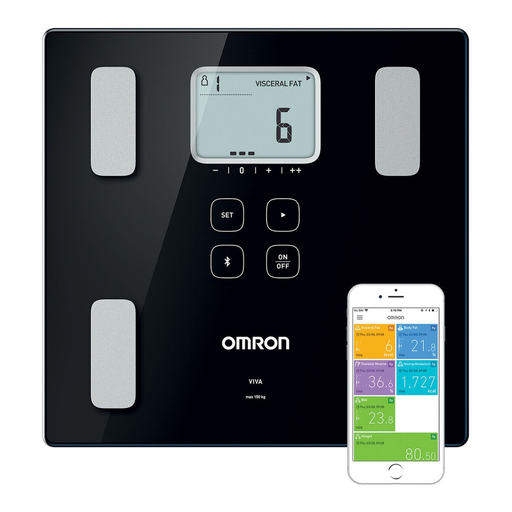
Why It Stands Out For those who prioritise measurement consistency, the Omron VIVA is a compelling option. According to the manufacturer, its accuracy has been clinically validated against medically approved methods of analysis. It focuses on six core metrics that provide a clear overview of your health, including visceral fat, body fat and skeletal muscle. It syncs this data to the OMRON connect app, helping you monitor key health indicators over time.
Pros
Who is it for? This scale is suited for individuals who are focused on monitoring specific health markers and value the reassurance of a device from a brand with a background in medical equipment.
These recommendations cover a range of needs, from data-rich analysis to family-friendly use. If you are still exploring or have different requirements, you can browse our full collection of body composition scales to find the perfect match for your health journey.
They use a method called Bioelectrical Impedance Analysis (BIA). When you stand on the scale's conductive pads, it sends a very low, safe electrical current up one leg and down the other. Fat, muscle and water all resist this current differently. By measuring this resistance (impedance), the scale's algorithm can estimate the percentages of each component in your body.
While home-use BIA scales are not as precise as a clinical DEXA scan, their strength lies in tracking trends. For the most reliable results, consistency is key. Always weigh yourself at the same time of day (for example, first thing in the morning), under the same conditions and on a hard, flat surface. This will give you an accurate picture of your progress over time.
Not necessarily, but it adds convenience. Standard bluetooth bathroom scales work perfectly well but require your phone to be nearby to sync data. A scale with Wi-Fi can connect directly to your home network, uploading your measurements automatically every time you use it, whether your phone is with you or not. The choice depends on whether you prefer manual or automated syncing.
By Joybuy Product Recommendation Officer