
24/7 Customer Support

Free returns

Same-day & Next-day Delivery

Quality Guaranteed

Unlock Your Welcome Offers: FREE Delivery | Up to 80% OFF | Free 30-day JoyPlus trial
Download the APP
Navigating the world of smart cameras can feel overwhelming. With countless options for home security, in-car recording and capturing life's adventures, it's easy to fall into common traps that lead to disappointment and wasted money. As a Joybuy Product Recommendation Officer, my role is to help you sidestep the marketing hype and focus on what truly matters for your needs.
Many buyers find their new gadget is not quite what they expected. The three most frequent pitfalls we see are:
By understanding a few core parameters, you can confidently select a device that performs as promised, without any unwelcome surprises.
Before adding any smart camera to your basket, take a moment to check these non-negotiable specifications. They are the difference between a useful tool and a frustrating piece of tech.
The clarity of your camera's footage is paramount. While 1080p (Full HD) is a common standard for an indoor security camera or baby monitor, for outdoor use or capturing details like number plates, a 4K camera is significantly better.
How and where your camera stores its recordings directly impacts its cost and usability.
A camera's construction determines where and how it can be used reliably.
To help you match a camera to your specific needs, here are a few recommendations based on different user profiles.
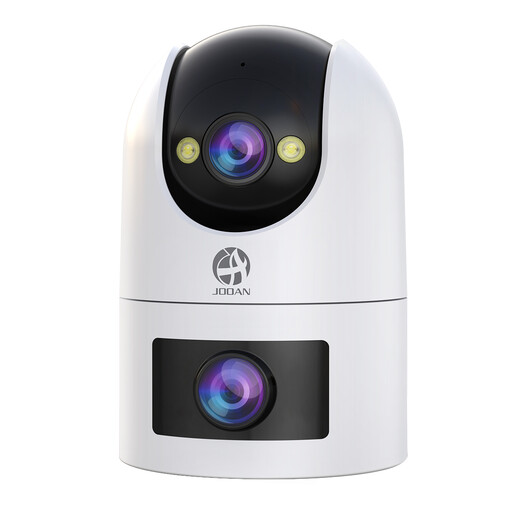
Why This Fits Their Persona: This is for the UK homeowner who wants comprehensive surveillance of their property. The dual-lens design offers both a wide, fixed view and a controllable PTZ view, covering all angles of a garden or driveway.
It supports local microSD card storage up to 256GB for 24/7 recording, bypassing mandatory cloud fees. It also features true colour night vision and dual-band WiFi for a clear, stable feed.
The dual-lens system provides two simultaneous video feeds in one app. Its IP66 waterproof rating ensures it can handle British weather.

Why This Fits Their Persona: An excellent choice for daily commuters and long-distance drivers who want a reliable car camera for evidence in case of an incident. It provides high-resolution footage and essential driving data.
It uses a supercapacitor for power, making it far more durable in a car's fluctuating temperatures than battery-powered alternatives. It also supports large microSD cards (up to 512GB), avoiding reliance on subscriptions.
The front camera records in sharp 4K, and the built-in GPS accurately logs your route, speed and location data directly onto the video file for indisputable evidence.
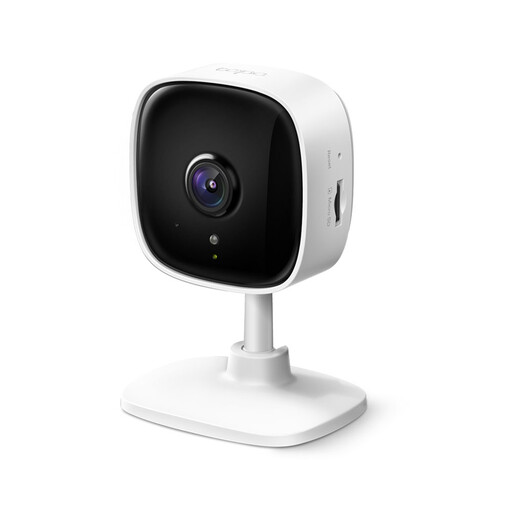
Why This Fits Their Persona: Perfect for parents needing a simple baby monitor or anyone wanting to keep an eye on a pet. It's straightforward, affordable and provides all the essential features for indoor monitoring.
It prioritises cost-effective local storage on a microSD card (up to 512GB), completely removing the need for a paid subscription to access your recorded footage and core features.
It includes specific sound detection for baby crying in addition to general motion detection. The clear two-way audio allows you to listen in and speak through the camera from your phone.
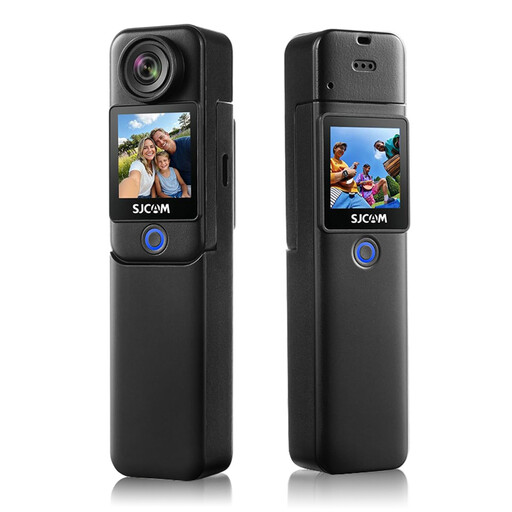
Why This Fits Their Persona: Designed for vloggers, travellers and sports enthusiasts who need a durable and versatile camera to capture high-quality video on the move. Its compact size and long battery life make it ideal for extended outings.
It comes with an auxiliary battery handle, providing up to 460 minutes of recording time. This avoids the common pitfall of action cameras having impractically short battery lives that require immediate extra purchases.
The 6-axis gyro stabilisation ensures smooth, professional-looking footage even during activities like cycling or skiing. It also includes a waterproof camera case for use up to 30 metres deep.
We have compiled a complete, real-time list of products that fully satisfy these strict selection criteria and UK safety regulations.
Not all of them. Many reputable cameras, including those highlighted above, offer local storage via a microSD card. This allows you to record and access footage without any ongoing fees. Subscriptions are typically for optional cloud storage, which provides an off-site backup of your videos. Always check for a microSD card slot if you want to avoid monthly costs.
This depends on the resolution, the number of cameras and whether you record continuously or only when motion is detected. For a single 1080p camera recording on motion, a 64GB card can often last for weeks. For continuous 4K recording, you may want a 128GB or 256GB card, which could store several days of footage before it begins to loop record (overwriting the oldest files).
Yes, but with limited functionality. A camera with a microSD card can continue to record footage locally even if your home internet goes down. However, you will not be able to view the live feed remotely, receive notifications or access cloud recordings until the internet connection is restored. For dash cams, the recording function is entirely independent of any internet connection.