
24/7 Customer Support

Free returns

Same-day & Next-day Delivery

Quality Guaranteed

Unlock Your Welcome Offers: FREE Delivery | Up to 80% OFF | Free 30-day JoyPlus trial
Download the APP
As a Joybuy Product Recommendation Officer, my role is to help you navigate the crowded market of home technology. A smart ceiling light seems like a simple upgrade, but a few common missteps can lead to disappointment. Many products promise futuristic convenience but fall short in daily use. This guide will help you identify the key features that matter and avoid the pitfalls that waste your time and money.
Before you add anything to your basket, be aware of these frequent issues that catch UK buyers out:
To ensure your new light is a lasting upgrade, focus on these three core parameters.
This is arguably the most important, yet most overlooked, specification for kitchens and bathrooms. An IP rating is a two-digit number that indicates a product's resistance to solids (like dust) and liquids (like water).
For any room with moisture, such as a bathroom or kitchen, look for a minimum rating of IP44. For even greater durability and peace of mind, an IP54 rating is preferable, making it a reliable waterproof bathroom ceiling light or a robust choice for smart kitchen lighting.
The goal of a smart light is seamless integration. The most convenient models connect directly to your home's Wi-Fi network without needing a separate hub. Before buying, confirm that the light is explicitly compatible with your preferred voice assistant. If you use Amazon Echo devices, you need an Alexa ceiling light. If you use Google Nest, ensure it works with Google Assistant. This avoids the frustration of being locked into a single, clunky manufacturer's app.
A low profile ceiling light is perfect for UK homes, which often have lower ceilings than their US counterparts. A slim design feels modern and unobtrusive. However, check that it provides wide, even light distribution. Beyond brightness (lumens), look for a high Colour Rendering Index (CRI). A CRI of 80 or above ensures that the colours in your room appear natural and true, which is particularly important in kitchens and dressing areas. For those wanting to create specific moods, an RGB ceiling light with a dedicated backlight can provide ambient colour without compromising the quality of the main white light.
Based on these practical criteria, here are some options tailored to different needs and home environments.

Why This Fits Their Persona: This user is upgrading a functional space like a kitchen, bathroom or hallway. They need a reliable, durable and modern fixture that integrates easily into their smart home without fuss.
Its IP54 waterproof and dustproof rating makes it suitable for moisture-prone areas. It connects directly via Wi-Fi (no hub needed) and works with Alexa and Google Assistant, avoiding integration issues.
The ultra-slim 0.98-inch profile offers a clean, minimalist look, while the separate RGB backlight provides ambient colour for mood lighting without affecting the main functional light.
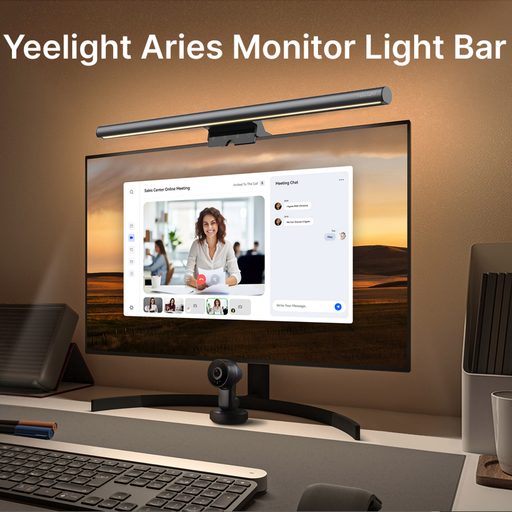
Why This Fits Their Persona: While not a ceiling light, this is for the user who has sorted their room's general lighting but needs focused, high-quality light for their desk without causing screen glare or taking up space.
It solves the problem of poor light quality for specific tasks. Its anti-glare design illuminates the desk, not the screen, preventing the eye strain often caused by poorly positioned overhead lighting.
Features a high CRI of Ra95 for exceptionally accurate colour rendering, crucial for creative work. The space-saving clip-on design and adjustable colour temperature (2700K–6500K) provide versatility.
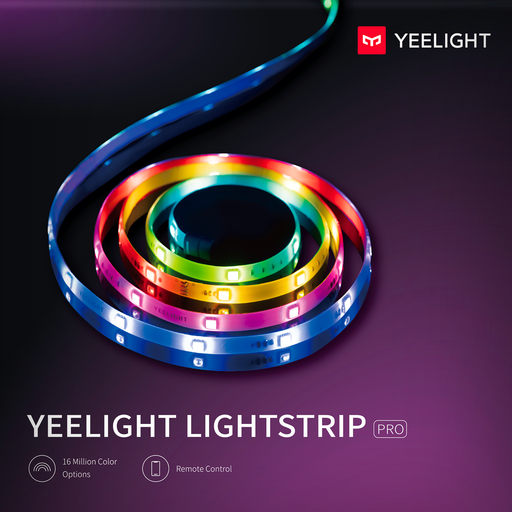
Why This Fits Their Persona: This user wants to create an immersive atmosphere for gaming, movies or parties. They need dynamic, colourful lighting that can be easily customised and synchronised with media.
It complements a main ceiling light by providing dedicated ambient effects. Instead of relying on one fixture for everything, this strip adds a layer of dynamic colour for specific scenarios like movie nights or gaming sessions.
RGBIC technology allows multiple colours to be displayed on the strip simultaneously, creating flowing, gradient effects. It also integrates with gaming platforms like Razer Chroma for a truly immersive experience.
We have compiled a complete, real-time list of products that fully satisfy these strict selection criteria and UK safety regulations.
Most modern smart ceiling lights are designed for straightforward installation, often with quick-mount bases that simplify the process. However, as it involves mains electricity, if you are not completely confident with wiring, it is always recommended to hire a qualified electrician to ensure a safe and secure fitting.
No, quite the opposite. The vast majority of smart ceiling lights use LED technology, which is significantly more energy-efficient than traditional incandescent or halogen bulbs. A typical LED ceiling light uses up to 85% less energy for the same light output, which can contribute to lower electricity bills over time.
Yes, in most cases. You can use your existing wall switch to turn the light on and off. However, to access the "smart" features like changing colour, dimming or setting schedules, the wall switch must be left in the 'on' position, and control is then managed via the app or a voice assistant. Some systems offer smart switches as an accessory for more integrated physical control.