
24/7 全天候客户支持

免费退货

当日/次日达

品质保障

开启新人专享福利: 全场免邮 | 低至 2 折 | 免费试用 30 天 JoyPlus 会员
下载 Joybuy
Smart health monitoring devices can make it easier to record blood pressure, track activity, check pulse readings or review sleep patterns at home. However, product pages often place equal emphasis on genuinely useful specifications and features that may have limited value for your routine.
The right choice depends on who will use the device, how often measurements are needed and whether the information is for general wellbeing or to support an existing healthcare plan. This guide highlights common buying traps, important specifications and suitable options for different UK households.
A smartwatch fitness tracker may display heart rate, SpO2 and sleep information, but these features are generally intended for personal reference. They should not automatically be treated as equivalent to a dedicated medical device.
For regular blood pressure checks, an upper arm blood pressure monitor is usually more relevant than relying on a wrist wearable. Similarly, a pulse oximeter can provide a quick reading, but factors such as cold fingers, movement, nail polish and incorrect positioning may affect the result.
A cuff that is too tight or too loose can make a home blood pressure machine uncomfortable and may affect measurement consistency. Check the supported arm circumference before ordering. Many household models support 22–42 cm, but not every cuff has this range.
For a smart ring health tracker, measure the relevant finger carefully and check the manufacturer’s size guide. A ring that is too loose may be lost during daily activity, while one that is too tight may be unpleasant to wear for sleep monitoring.
Some smart health devices depend heavily on an app. Check whether it supports your Android or Apple device, whether key functions work without a subscription and how data is stored.
Security cameras introduce similar considerations. Local microSD recording may avoid a recurring cloud fee, while cloud storage can offer an additional way to retain footage. Always review storage charges, data retention terms and privacy settings before installation.
Start with the result you actually need:
For seniors and carers, a large LCD, clear icons and one-button operation may matter more than a long list of advanced functions. Helpful features include cuff placement guidance, movement alerts, memory storage for more than one user and an average of the last three readings.
For wearables, consider screen brightness, physical controls, water-resistance rating and battery capacity. A device with a 1.97-inch AMOLED display, Bluetooth calling, independent GPS and a stated 460mAh battery, for example, may suit users who want fewer daily charging interruptions. Battery performance still varies according to GPS, calls, notifications and screen use.
Check whether readings are stored on the device, in an app or through a paid online service. For connected cameras, confirm Wi-Fi compatibility, recording options and the placement of the device. An IP66 rating can help with outdoor use, but it does not mean the power connection should be exposed to water or that the camera can be submerged.
For any device collecting personal information, use a strong account password, enable available security controls and avoid positioning cameras towards neighbours’ windows or private areas.
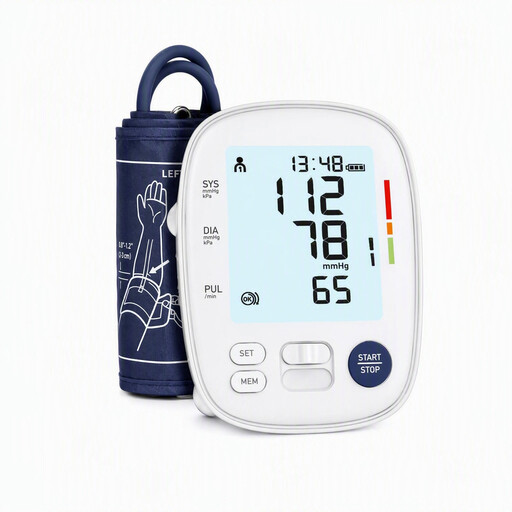
Why This Fits Their Persona: A practical home blood pressure machine for households wanting a readable display, broad cuff range and straightforward daily records without relying on a smartwatch.
The 22–42 cm cuff range and cuff-placement and movement reminders help address common fit and technique problems.
Two user profiles with 120 memory sets each, Type-C or battery power and an average of the last three readings.
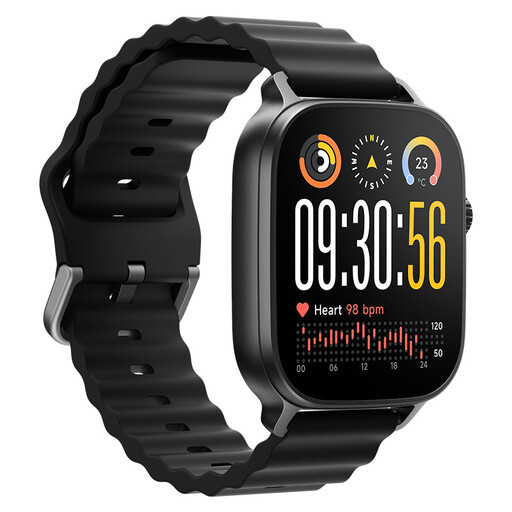
Why This Fits Their Persona: Suitable for users wanting one wearable for exercise, everyday notifications, sleep summaries, heart rate and blood oxygen tracking.
Its specification lists the display, battery, GPS and water-resistance rating clearly, making it easier to compare practical features rather than vague wellness promises.
1.97-inch 600-nit AMOLED screen, 5-GNSS positioning, Bluetooth calling, 108 sport modes and IP68-rated dust and water resistance.
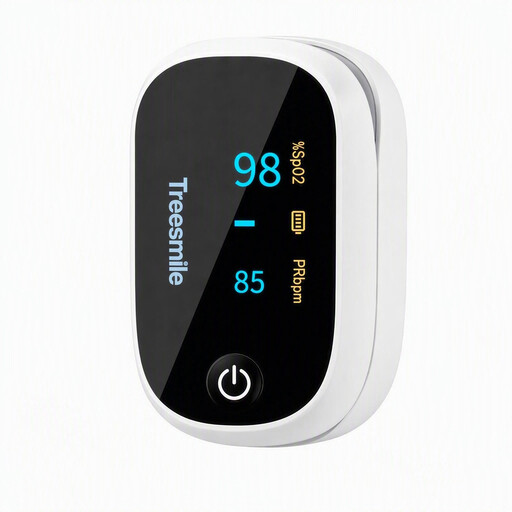
Why This Fits Their Persona: A compact option for people who want occasional readings at home, after exercise or while travelling around the UK.
It is designed for spot checks rather than presenting itself as a replacement for professional assessment, with usage guidance covering cold fingers and nail products.
Dual SpO2 and pulse display, four-way screen rotation, adjustable backlight, low-battery warning and automatic shut-off.
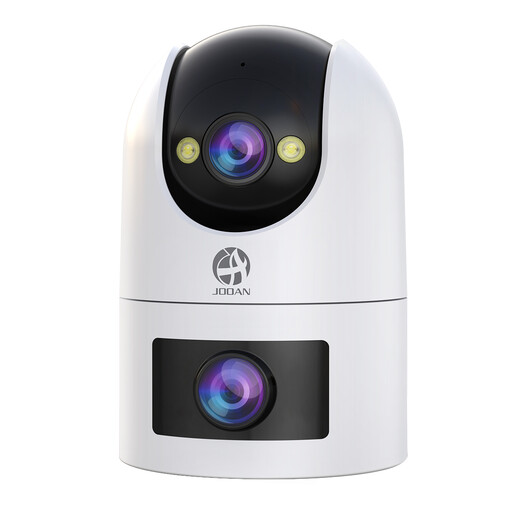
Why This Fits Their Persona: Useful for households combining home health monitoring with awareness of entrances, outdoor areas or family activity, subject to privacy considerations.
It lists local microSD recording alongside optional paid cloud storage, helping buyers identify ongoing costs before installation.
Dual-lens viewing, 360° PTZ coverage, 2.4GHz and 5GHz Wi-Fi, IP66 housing, two-way talk and motion alerts through the CAM720 app.
Accuracy depends on the device, fit, battery condition and how it is used. Follow the supplied instructions, remain still during measurements and use the correct cuff or finger position. Treat readings as personal reference unless the product is specifically intended for medical monitoring. Persistent or concerning results should be discussed with a qualified healthcare professional.
A smartwatch may need charging more frequently when GPS, calls or continuous monitoring are active. Fingertip oximeters commonly use replaceable batteries, while blood pressure monitors may use batteries or a mains/USB connection. Check the power method and automatic shut-off feature before buying, particularly if the device is intended for an older user.
Generally, a smartwatch fitness tracker is more suitable for activity, heart rate and lifestyle trends than routine blood pressure measurement. If you specifically need blood pressure readings, compare a dedicated upper-arm device with a suitable cuff, clear instructions and memory storage.