
24/7 Customer Support

Free returns

Same-day & Next-day Delivery

Quality Guaranteed

Unlock Your Welcome Offers: FREE Delivery | Up to 80% OFF | Free 30-day JoyPlus trial
Download the APP
As a Joybuy Product Recommendation Officer, my role is to help you navigate the growing market of smart home technology. Many UK homeowners and renters are looking for straightforward ways to increase their peace of mind, whether it's knowing a door is secure, preventing water damage from a leaky pipe or ensuring a child's room is at a comfortable temperature. A well-chosen smart home monitoring system can provide all this and more, without the complexity or high cost often associated with traditional security setups.
This guide is designed to help you understand the key components of a modern system and identify products that offer practical, integrated solutions for your home.
Building an effective monitoring system is about selecting the right tools for the job. Before you buy, consider these key points to ensure you create a system that truly meets your needs.
A collection of individual smart devices can quickly become difficult to manage. The most effective systems are built around a central hub that connects all your sensors. A device like a Tapo smart hub acts as the brain of your operation, allowing different sensors to communicate with each other and with you through a single app. This integration is what enables a home automation kit to function seamlessly—for example, a door sensor triggering a smart light to turn on.
A comprehensive smart home monitoring system uses a variety of sensors. Think about what you want to monitor most:
The system is only as good as the information it provides. Look for a system with a user-friendly app that allows you to receive instant notifications on your phone. The ability to customise these alerts is also important. You might want a loud siren to sound for a potential break-in but a quiet notification for a change in humidity. A good system puts you in control of how and when you are alerted.
Based on functionality, integration and user-friendliness, here are some standout components for building a versatile and affordable smart home monitoring system.
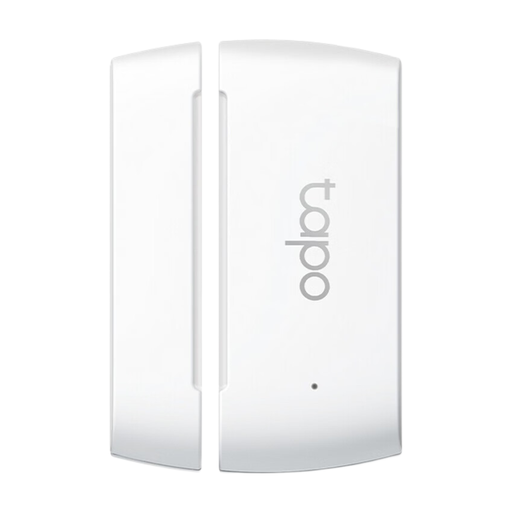
Why It Stands Out: This sensor is a simple yet powerful tool for securing the entry points of your home. It provides real-time monitoring of doors, windows, cabinets or even the fridge. When paired with a Tapo Hub, it can trigger a hub alarm and send an instant notification directly to your phone via the Tapo app the moment contact is broken.
Pros:
Who is it for? Anyone looking for a foundational layer of home security. It's ideal for homeowners, renters in flats or those wanting to monitor specific areas like sheds or medicine cabinets.
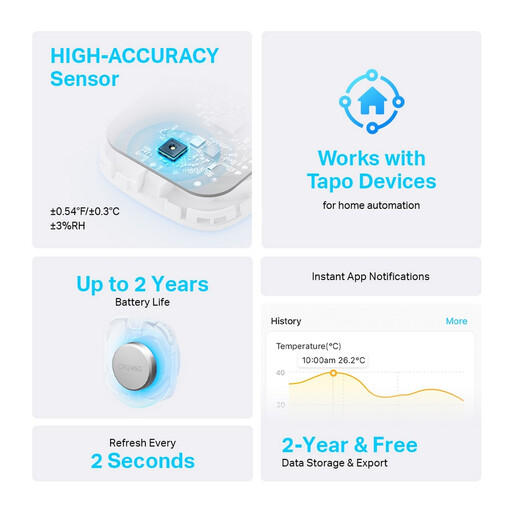
Why It Stands Out: This sensor offers highly accurate, real-time environmental monitoring. It updates every two seconds and allows you to set custom ranges for temperature and humidity. If the conditions go outside your preset limits, it can automatically trigger other smart devices (like a fan or dehumidifier) or simply send an alert to your phone.
Pros:
Who is it for? Parents monitoring a nursery's climate, plant enthusiasts managing a greenhouse or anyone wanting to automate their home's heating and cooling for comfort and efficiency.
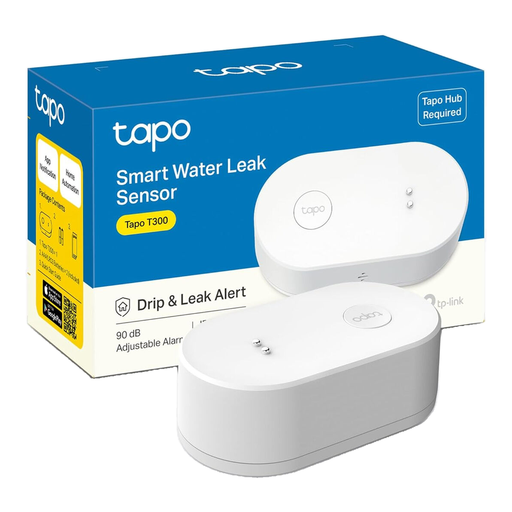
Why It Stands Out: The Tapo T300 is an essential safeguard against water damage. With detection probes on both the top and bottom, it can sense both drips and pooling water. Upon detection, it sounds a loud 90dB alarm and sends an instant notification to your phone, giving you a critical head start to address the issue.
Pros:
Who is it for? Every homeowner or tenant. It is particularly useful for properties with older plumbing or for placement in high-risk areas like under sinks, behind toilets or near washing machines and dishwashers.
The products above form a strong foundation for a complete monitoring system. If your primary interest is in managing your home's climate, you may want to explore a wider variety of devices. For more choices, you can browse our full range of temperature sensor products.
Some smart devices can connect directly to your Wi-Fi network. However, many of the most effective TP-Link Tapo sensors and similar integrated systems require a central hub. Using a Tapo smart hub offers several advantages: it creates a more stable and reliable low-power network for the sensors, which helps extend their battery life and it allows all devices to work together seamlessly for advanced home automation.
Modern systems are designed for user-friendly, DIY installation. Most sensors, like the ones featured here, use adhesive strips and are battery-powered, eliminating the need for any wiring or drilling. Setup is typically completed in minutes through a smartphone app that guides you through the process of connecting each sensor to the hub and your network.
Yes, particularly a smart temperature sensor. By pairing it with smart plugs connected to heaters, fans or dehumidifiers, you can create automations that only run these appliances when necessary. For example, you can set a rule to turn off a heater once a room reaches 21°C. This prevents energy waste from heating an already warm room, contributing to lower energy consumption over time.