
24/7 Customer Support

Free returns

Same-day & Next-day Delivery

Quality Guaranteed

Unlock Your Welcome Offers: FREE Delivery | Up to 80% OFF | Free 30-day JoyPlus trial
Download the APP
Creating the perfect atmosphere in your home, whether for an immersive gaming session, a productive workday or a relaxing evening, often comes down to the lighting. The world of smart lighting offers incredible customisation, but the sheer number of options can be daunting. From vibrant strips to modular panels, how do you choose the right solution for your space?
This guide is designed to help you navigate the choices. We will explore the key factors to consider before you buy and highlight a few standout options that cater to different needs, from focused task lighting to dynamic ambient lighting.
Before diving into specific products, here are a few practical points to consider. Thinking about these will help you find a solution that fits seamlessly into your home and lifestyle.
One of the main benefits of smart home lights is integration. Before purchasing, check if the product is compatible with your existing ecosystem, such as Amazon Alexa, Google Home or Apple Home. For future-proofing, look for devices that support the Matter compatible lighting standard. Matter is a universal protocol designed to make devices from different brands work together smoothly, simplifying your setup.
The type of light you choose depends entirely on what you want to achieve.
Consider how you want to interact with your lights. Most options are app-controlled lights, allowing you to change colours, brightness and set schedules from your smartphone. Some also come with physical remotes or controllers for quick adjustments. Advanced features like scheduling, creating custom scenes and syncing with music or on-screen action can significantly enhance your experience.
Here are a few recommendations that showcase the different types of smart lighting available, selected for their features and versatility.
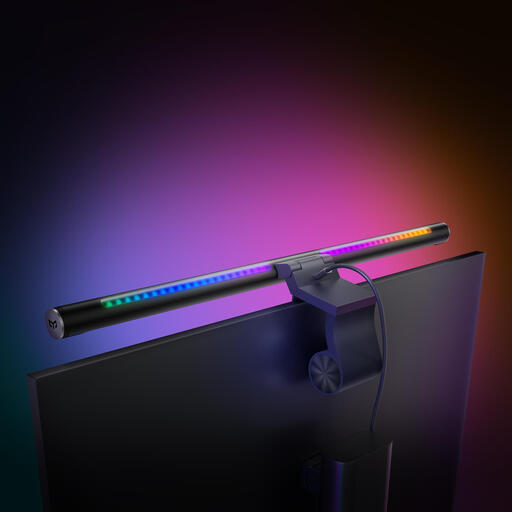
Why It Stands Out: This monitor light bar is engineered to improve your workspace. It provides asymmetrical lighting that illuminates your desk without reflecting off the screen, which can help reduce eye fatigue. The inclusion of a wireless knob controller allows for easy adjustments to brightness and colour temperature on the fly.
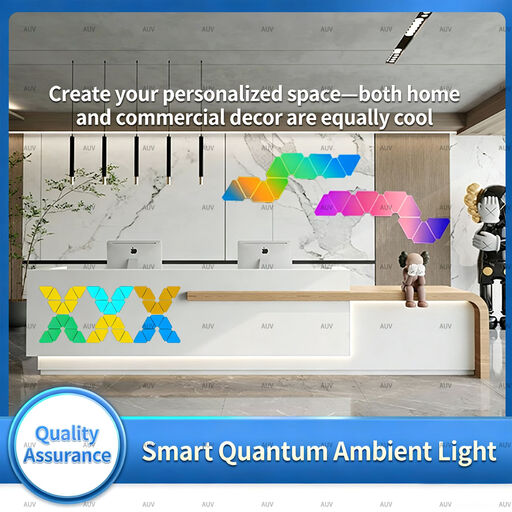
Why It Stands Out: These RGB light panels are all about creative expression. The modular, triangular design allows you to create your own unique patterns on any wall. With over 210 scene modes and a music sync function that reacts to your audio in real-time, they can transform a room's entire mood.

Why It Stands Out: This smart LED strip offers a simple yet powerful way to add dynamic colour to your home. At 10 metres long, it provides ample coverage for large areas. The RGBIC technology allows for multiple colours to be displayed on the strip at once, creating flowing, gradient effects. It connects directly to your Wi-Fi, so no separate hub is required.
The products above represent just a fraction of what's possible with modern lighting. If you're seeking different styles, shapes or functionalities, there is a wide world of creative illumination to discover.
For a broader selection of unique and stylish lighting solutions, explore our collection of fancy lamps.
Most smart lights use LED technology, which is significantly more energy-efficient than traditional incandescent bulbs. While they consume a very small amount of power in standby mode to stay connected to your network, their overall energy consumption is low, especially when compared to older lighting technologies.
Matter is a relatively new connectivity standard for smart home devices. Its goal is to make devices from different manufacturers work together seamlessly. Choosing Matter compatible lighting means your new lights are more likely to be compatible with both your current and future smart home devices, regardless of the brand, simplifying setup and ensuring long-term usability.
Yes, one of the key features of most app-controlled lights is remote access. As long as your lights are connected to your home Wi-Fi network and your smartphone has an internet connection, you can control them from anywhere. This is useful for turning lights on or off for security purposes or ensuring everything is switched off after you have left.