
24/7 Customer Support

Free returns

Same-day & Next-day Delivery

Quality Guaranteed

Unlock Your Welcome Offers: FREE Delivery | Up to 80% OFF | Free 30-day JoyPlus trial
Download the APP
Keeping houseplants thriving can feel like a full-time job. Between the guesswork of watering schedules and the panic of seeing a drooping leaf, it is easy to feel more like a stressed plant parent than a relaxed botanist. If you love the idea of a greener home but lack the time or confidence to maintain it, a smart plant pot could be the solution you've been looking for.
As a Joybuy Product Recommendation Officer, my role is to help you navigate the options. This guide will walk you through what to look for in an intelligent planter and present our top recommendations to help you find the perfect match for your home and lifestyle.
A smart plant pot does more than just hold soil. It uses technology to take the uncertainty out of plant care. Here are a few key features to consider when making your choice.
The core of any intelligent planter is its sensor system. Look for pots equipped with sensors that monitor soil moisture, ambient light and temperature. A self-watering pot with a sensor is particularly useful, as it contains a reservoir and will only water your plant when the soil becomes dry, preventing the common problems of over- or under-watering. This automation is ideal for frequent travellers or anyone with a busy schedule.
Smart planters range from simple, functional devices to highly engaging companions. Some models offer basic alerts via an app, while others, like an emoji plant pot or Tamagotchi planter, use a digital face to display the plant's "emotions" and needs. This type of interactive flower pot can turn plant care into a fun, engaging activity, making it a fantastic tech gift for plant lovers or a charming piece of smart home decor.
Consider the practicalities. Is the pot battery-powered or does it need to be plugged in? A battery-operated model offers more placement flexibility. Also, ensure the pot's size is appropriate for the plant you intend to grow, allowing room for its roots to develop. Finally, the design should complement your interior style, whether you prefer minimalist, modern or playful aesthetics.
After analysing the features that matter most to UK users, we have selected two distinct options that cater to different needs—one for the tech enthusiast and another for those who prioritise effortless style.
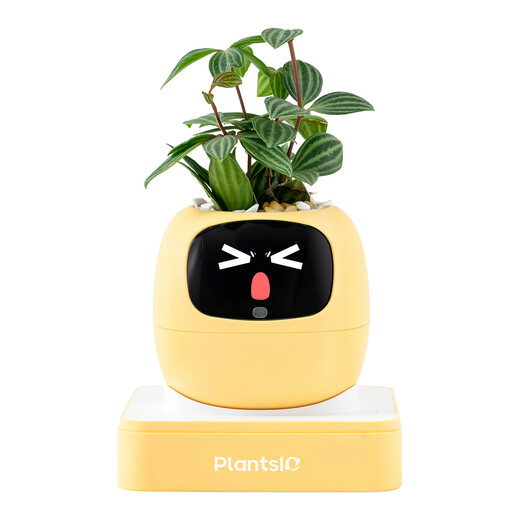
Why It Stands Out
The Ivy AI planter transforms plant care into a delightful, interactive experience. It uses a range of sensors to monitor your plant's environment and communicates its needs through over 80 different animated expressions on its digital face. It will look happy when watered, sleepy at night and even a bit mischievous, effectively turning your houseplant into a charming digital pet.
Pros
Who is it for? This is an excellent choice for tech-savvy millennials and Gen Z, new plant owners who want clear guidance or anyone looking for a unique piece of smart home decor that is both functional and full of personality. It also makes for a memorable and creative gift.

Why It Stands Out
Sometimes, the "smartest" choice is the one that requires no effort at all. For those who love the look of plants but cannot commit to their care, this artificial allium offers a beautiful and practical alternative. Its lifelike pom-pom flower heads and lush foliage bring botanical texture into your home without any need for water, sunlight or technology. It is a truly "set and forget" decorative solution.
Pros
Who is it for? This is ideal for busy professionals, individuals living in homes with low natural light or anyone who wants the aesthetic benefit of a plant with absolutely zero maintenance. It is a simple way to add a touch of nature to any room.
While smart technology offers a fantastic way to care for living plants, sometimes the simple, lasting beauty of an artificial arrangement is the perfect fit. If you are drawn to the idea of effortless, vibrant colour that requires no upkeep, you might like to explore more options.
Discover more maintenance-free botanical decor in our curated collection of artificial flowers in yellow and other shades to brighten your space.
1. How do smart plant pots work? Most smart plant pots use a combination of built-in sensors to monitor the plant's immediate environment. These sensors typically measure soil moisture, ambient light and sometimes temperature and fertiliser levels. When a need is detected—such as dry soil—the pot can either alert you via an app or, if it has a self-watering feature, automatically release water from an internal reservoir into the soil.
2. Are smart planters a good investment? For many people, yes. They can be a worthwhile investment if you have previously struggled to keep plants alive, as they help prevent common mistakes like overwatering. They also save time and provide peace of mind for those who travel often or have a hectic lifestyle. For tech enthusiasts, the interactive features of an AI planter can be a source of entertainment and a unique addition to their smart home ecosystem.
3. Can you use any plant in an intelligent planter? Generally, most common indoor houseplants like succulents, herbs, ferns and small flowering plants are suitable for a smart pot. The main considerations are the size of the pot and the plant's root system. It is important to choose a pot that is large enough to accommodate the plant as it grows. Always check the pot's specifications to ensure it is a good match for your chosen plant.