What to check before buying
For UK consumers choosing audio for busy home routines, start with the playback and voice features you will use, then check account fit and privacy controls before deciding whether a screen or portable design matters more.
| Concern |
What to check when buying |
Who this matters to |
| Hands-free audio and routines |
Check that your UK radio or music service and the voice actions you want are available. BBC Sounds’ Alexa skill requires a linked BBC account. |
If I want to start radio or set a timer without reaching for my phone, spoken access is the priority; around 29% of consumers making this choice would put hands-free playback first. |
| Household accounts |
Check which account registers the device, how profiles or voice recognition work, and whether your chosen service needs a linked account or subscription. |
When several people share a speaker, I want to know whose music account and personal responses it will use; around 24% of consumers making this choice would prioritise household account fit. |
| Privacy controls |
Look for the exact model’s microphone and camera controls, voice-history settings and stated security-update information. Muting a microphone means giving up voice commands while it is off. |
If I am weighing hands-free convenience against voice or camera controls, those settings shape my choice; around 23% of consumers making this choice would put privacy controls first. |
| Screen usefulness |
Decide whether recipes, calendars or compatible device controls are worth having on a screen, and check camera controls and placement if the model has a camera. |
When I will look at recipes or controls during a routine, a display may earn its place; around 12% of consumers making this choice would prioritise glanceable information. |
| Portability or connected-home features |
Compare phone-led Bluetooth listening with a connected speaker, and check that any speakers you plan to group are compatible with one another and the service. |
If I want to move my speaker around and start playback from my phone, portability matters more than built-in voice routines; around 12% of consumers making this choice would prioritise that approach. |
Bluetooth speakers on Joybuy
These Joybuy options focus on Bluetooth speakers for phone-led listening and portable audio, rather than smart-speaker voice routines or display-based controls.
 No image available
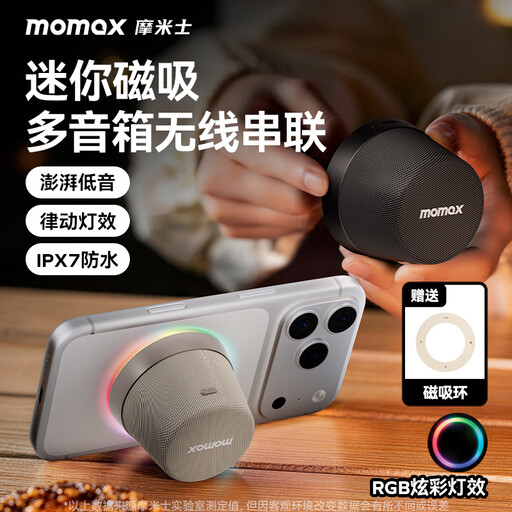
MOMAX 1-Vibe Mood Pro Magnetic Portable Bluetooth Speaker, Black
Consider this portable Bluetooth option if you want phone-led playback and a speaker that can attach to metal surfaces.
Listed features include Bluetooth 5.3, AUX input, a built-in microphone and up to 12 hours of playtime.
View on Joybuy
 No image available
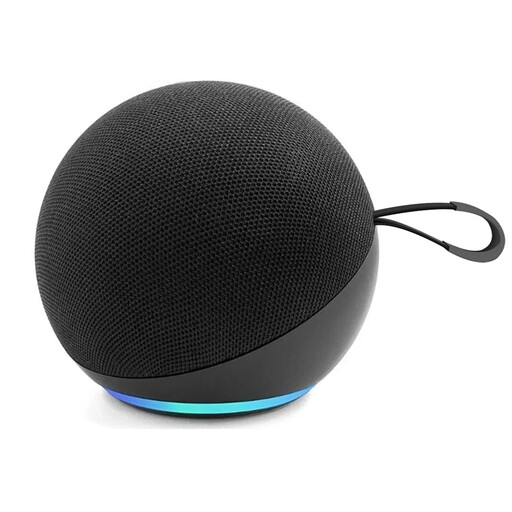
Portable Wireless Bluetooth Speaker with LED Light, Waterproof
This portable Bluetooth speaker is an option if you want to stream audio from a compatible phone.
Listed details include 10W RMS output, a 1200mAH battery and multicoloured LED lighting. The product name describes it as waterproof; check the product details for the conditions that apply to your intended use.
View on Joybuy
 No image available
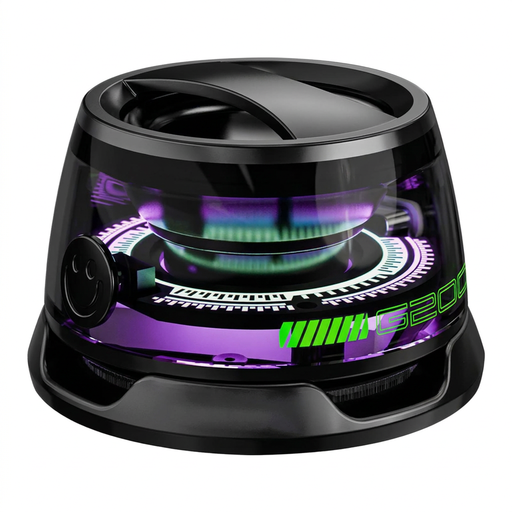
G200 Magnetic Bluetooth Speaker, Portable 5W, Black
Consider this G200 if you want a portable Bluetooth speaker with a magnetic attachment and phone-stand function.
Listed details include Bluetooth 5.3, up to 7 hours of playback, an IPX5 rating and the option to pair two G200 speakers.
View on Joybuy
 No image available
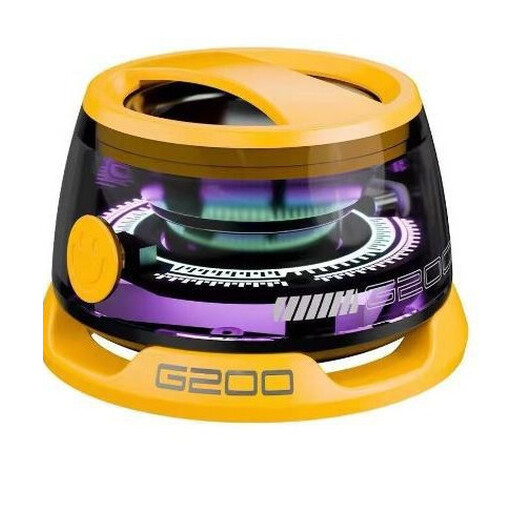
G200 Magnetic Bluetooth Speaker with RGB Light, Yellow
This portable Bluetooth option may suit phone-led listening where magnetic attachment and a phone-holder function are useful.
Listed details include 5W output, Bluetooth 5.3 and up to 6 hours of battery life.
View on Joybuy
 No image available
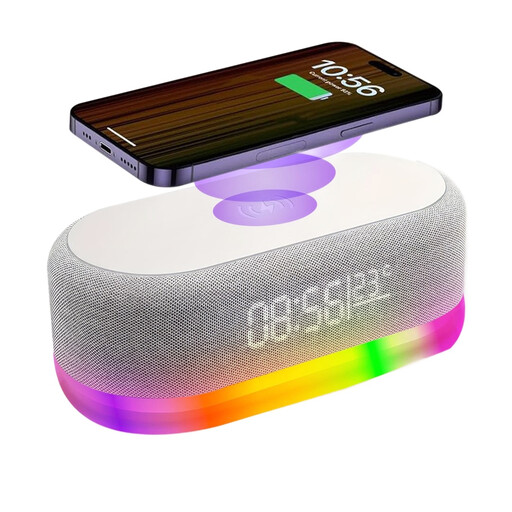
Bluetooth Speaker with 15W Wireless Charging, LED Clock, Alarm and RGB Night Light
Consider this Bluetooth speaker if you want audio alongside clock and alarm functions for a bedside table or desk.
Listed features include 15W wireless phone charging and adjustable RGB lighting. Check that your phone is compatible with the charging feature.
View on Joybuy
Frequently asked questions
Will BBC Sounds work by voice on an Alexa device?
The BBC Sounds Alexa skill requires a linked BBC account. Check the skill and account you intend to use, as other radio services may have different requirements.
Does one shared smart speaker give everyone their own music?
Not automatically. Amazon’s Alexa instructions describe profiles and linked music accounts, while Google describes Voice Match personalisation. Check the account and service setup for the speaker you choose.
Which privacy controls should I check?
Check the exact model’s app permissions, voice-history settings, microphone control and, if it has a camera, its camera control. The Information Commissioner’s Office describes physical microphone switches and camera covers as examples; controls vary by product.
Will music or assistant features need a subscription?
It depends on the service and feature. Google Store UK advertises certain enhanced Home Speaker functions as subscription features, and BBC Sounds requires a linked BBC account for its Alexa skill. Check the terms for the content and functions you plan to use.
Which UK product-security rules apply to connected speakers?
UK government guidance says the consumer connectable-product security regime took effect on 29 April 2024. Radio equipment supplied in Great Britain must meet applicable Radio Equipment Regulations 2017 requirements, while Northern Ireland has distinct applicable provisions. These are product and supply-chain requirements, not a requirement for a householder to register a speaker.


