Choose a smart speaker if hands-free radio, music, timers and spoken reminders are the main draw. A smart display makes more sense when people need to see calendars or to-dos in a shared room; a conventional wireless speaker suits households that want audio without an integrated voice assistant. Before choosing, check the accounts, services, reminder behaviour and privacy settings needed for your routine.
Who is each option for?
Hands-free audio households
If you want to start radio, music or news while cooking or moving around the home, voice access may matter more than a screen. Ofcom’s qualitative UK smart-speaker research, conducted in 2022, identified audio, information and timers among participants’ uses.
Shared-routine households
If alarms, reminders and calendars help organise the day, check where notifications appear and whose personal information a shared device can access. Amazon’s reminder guidance and Google’s and Apple’s account guidance show why those details depend on the platform and setup.
Connected-home households
If you already use connected lights, plugs or other devices, check compatibility with the exact assistant and services you use. A display may also help when household members need to see schedules or controls, rather than receive spoken responses alone.
What matters when choosing?
Decide whether the device itself needs to handle voice requests and reminders, whether a shared screen would be useful, or whether audio playback is enough.
Smart speaker
Consider it when: People want to request audio, timers and routine reminders without reaching for another device.
Bear in mind: Services and personalised functions depend on the assistant and linked accounts; a reminder may not reach every room.
Smart display
Consider it when: A shared room would benefit from visible calendars, to-dos or connected-device controls. Google Store UK describes these functions for Nest Hub.
Bear in mind: A screen in a communal space makes personal-results and guest-access settings particularly important.
Conventional wireless speaker
Consider it when: Music or radio is the priority and you would rather control playback from a separate source than use the speaker for voice reminders.
Bear in mind: Check the exact model: Sonos UK lists both voice-enabled speakers and the microphone-free Era 100 SL.
| Concern |
What to check |
Who this matters to |
| Shared audio and radio |
Check the music and radio services you use, and whether your chosen devices can play together across rooms. |
If I often put on radio or music while doing other things, quick access matters more to me than a screen. Around 36% of consumers put convenient household audio first. |
| Reminders and routines |
Check which device announces a reminder and what each person needs for personalised results. |
For a household coordinating alarms, reminders or a calendar, the important question is whether the right person receives the prompt. Around 29% of consumers make shared routines their primary concern. |
| Connected devices and a visible screen |
Verify compatibility with existing connected devices; if considering a display, decide what should be visible in its room. |
I want to see household information or control devices I already own, rather than rely only on spoken responses. Roughly 21% of consumers prioritise those controls or a visible display. |
| Privacy and assistant use |
Compare microphone controls, personal-results settings and the manufacturer’s stated security-update period. |
In a room used by guests, I may prefer to limit personal responses—or choose a speaker without voice control. Around 14% of consumers put that choice first. |
Mistakes to avoid
-
Assuming a reminder will sound throughout the home
Amazon states that an Alexa reminder is announced on the Echo device where it was set. That may not suit a routine involving people in different rooms.
Try the reminder from the room where you would normally set it, then check how the intended person would receive it.
-
Choosing a platform before checking household accounts
Basic audio and personalised calendars or reminders can have different setup requirements. Google Voice Match uses Google Accounts, while Apple Personal Requests require individual Apple-account and iPhone or iPad setup.
List the accounts, music services and connected devices your household already uses, then check the exact model’s integrations.
-
Leaving personal results open on a shared device
Calendars and reminders can contain information you would not want a guest to hear or see. Google Home and Nest Help describes per-device personal-results controls.
Review personal results, guest access and voice-history settings before placing a speaker or display in a communal room.
-
Overlooking security-update support
The stated minimum period for important security updates matters when you expect to keep a connected device for years.
Check that period for the model you are considering, and keep its software and companion app updated after setup.
Relevant brands to consider
Amazon Echo / Alexa
Echo speakers and displays are relevant when voice-led audio, timers and reminders are central to the household routine.
- Amazon UK describes music playback and multi-room groups for compatible Echo devices; Echo displays add a visual way to use household information.
- Amazon says an Alexa reminder is announced on the Echo where it was set. Check linked services and privacy settings for the intended household setup.
Google Nest / Google Home
Google’s speakers and displays are relevant to households using Google accounts and compatible Google Home services.
- Google Store UK describes calendar viewing, reminders, to-dos and compatible-device control for Nest Hub.
- Google Voice Match requires a Google Account. On shared devices, review personal-results settings before making private information accessible by voice.
Apple HomePod
HomePod is relevant to households already using Apple devices and services for audio and personal requests.
- Apple describes multi-room HomePod playback and voice recognition for up to six users in a shared Home app home.
- Apple Personal Requests for reminders and calendars require individual Apple-account and iPhone or iPad setup.
Sonos
Sonos is relevant when multi-room audio matters and the household wants to choose deliberately whether the speaker has voice control.
- Sonos UK lists Wi-Fi multi-room speakers, including the microphone-free Era 100 SL.
- Voice control varies by model. Sonos Support UK says Alexa setup on a voice-enabled model requires the Sonos and Alexa apps, an Amazon account and linked content services.
Joybuy products for this topic
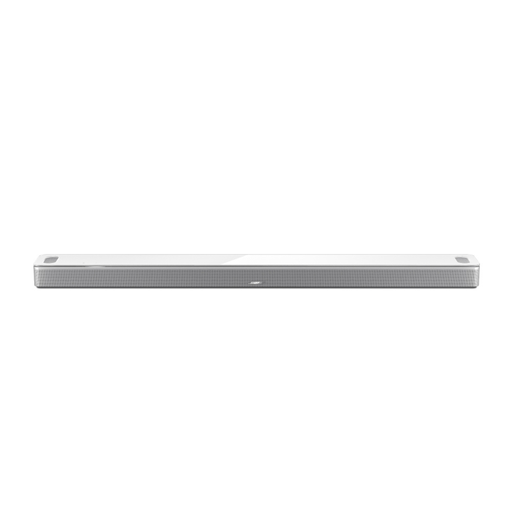
This soundbar is worth considering if household listening also centres on the TV. If timers or shared reminders are essential, check how the exact model handles them before choosing it for that role.
 No image available
Bose Smart Ultra Soundbar Arctic White
Consider this soundbar if TV audio is part of the household listening setup. Check its connections against your TV and confirm the exact timer, reminder and notification behaviour if shared routines are a reason for buying.
View on Joybuy
Common questions
Does everyone need an account to use a smart speaker?
Not for every basic action, but personalised features can require individual setup. Google Home and Nest Help says Voice Match must be associated with a Google Account; Apple Support UK says HomePod Personal Requests require each person’s Apple Account and iPhone or iPad. Check the requirements for the functions your household intends to share.
Can guests access reminders or calendar information?
They may be able to access personal information on a shared device, depending on its settings. Google Home and Nest Help recommends turning off personal results on devices where reminders and calendar entries should not be accessible; review equivalent controls for the platform you choose.
Will an Alexa reminder play in every room?
Do not assume it will: Amazon says Alexa announces a reminder on the Echo device where it was set. Test the intended room and notification arrangement if another household member needs to receive the prompt.
What should I check before putting a smart speaker in a shared room?
Check the microphone controls, personal-results settings and access to voice history for the exact device. Also look at the manufacturer’s stated minimum period for important security updates, particularly if you plan to keep the device for several years.


