Who is this for?

Parents planning child-led playback

For households where children will ask for songs themselves and adults want to manage explicit music, shopping requests and volume. Amazon UK describes these controls for Amazon Kids on Alexa; they require a compatible device and child-profile setup.

Families sharing one lounge speaker

For households using the same room for children’s songs and adult listening, where placement and ways to start or pause music matter alongside sound. Sonos offers voice-enabled and microphone-free Era 100 variants with different control options.

Households with an established ecosystem

For people already using Google Home, Apple devices or Alexa who want the new speaker to work with their existing controllers and music service. Check the exact speaker and service rather than assuming that compatibility carries across ecosystems.

What matters when choosing?

For one speaker serving children’s songs and everyday lounge listening, decide which need takes priority, then check the settings and playback methods of the exact model.

Concern What to check Who this matters to
Child-led requests Check UK child-profile support on the exact device, including explicit-music, shopping and volume controls. If my child will ask for songs without an adult beside them, I want controls I can set and revisit; around 33% of consumers put child-led request controls first.
Music and device fit Confirm the preferred music service, account tier and the phones or apps needed for setup and control. When our family already uses a music service and connected devices, I want the speaker to fit that routine; around 27% of consumers prioritise ecosystem and service fit.
Shared-room listening Consider placement and nearby sockets, and whether touch controls, Bluetooth or line-in would be useful. If children and adults will both use the lounge, I want music that is easy to start and pause from around the room; roughly 20% of consumers make shared-room sound and control their main concern.
Microphone choice Inspect microphone controls, app permissions and the provider’s information about data collection and sharing. I may prefer to start songs from a phone rather than keep voice requests available in the family room; for around 20% of consumers, microphone choice and privacy come first.

Buying pitfalls

  • Assuming a children’s model needs no setup

    Amazon UK describes filtering, shopping restrictions and volume settings for Amazon Kids on Alexa, but parents need to enable and review the controls on a compatible Echo.

    Before ordering, confirm support for the exact device and UK account. After setup, review the child profile’s music, shopping, activity, time and volume settings.

    Some Echo Dot Kids bundles include an Amazon Kids+ period that renews as a subscription unless cancelled; check the terms of the particular bundle.

  • Assuming every music service works by voice

    A familiar service may need a particular account or may not support direct requests on the chosen speaker. Apple Support says that not all music services are supported on HomePod.

    Check the exact speaker, service and account tier, including how music requests behave under a child profile.

    Some music services require a subscription for the intended playback.

  • Leaving privacy settings unchecked after setup

    A voice-enabled speaker and its companion app can handle personal information. The Information Commissioner’s Office identifies a physical switch that stops voice-data gathering as a feature worth considering.

    Review data-sharing information, app permissions, microphone controls and update support when setting up the speaker, then revisit settings as household use changes.

  • Choosing by compact size alone

    In a lounge shared by children and adults, speaker placement and accessible pause or volume controls can matter as much as whether a device fits on a shelf.

    Consider where the speaker would sit and listen at an ordinary household volume if possible. Choose extra playback connections only if you plan to use them.

    Sonos says a line-in source on Era 100 requires a separate Sonos Line-In Adapter.

Brands to consider

Amazon Echo

Relevant when children will make their own Alexa song requests and adults want child-profile controls.

  • Amazon UK says Amazon Kids on Alexa can filter explicit songs, block shopping and provide parent-managed time and maximum-volume settings on compatible devices.
  • The controls need setup and review. Check the exact Echo Dot Kids bundle for any included Amazon Kids+ period and its renewal terms.

Google Nest

Relevant to households already using Google Home or compatible Google Cast devices.

  • Google Store describes speaker grouping for compatible devices in its Nest speaker comparison.
  • Check the chosen model’s current family, content and music-service settings before relying on it for child-led requests.

Apple HomePod

Relevant to households using an iPhone or iPad, Siri and AirPlay for lounge music.

  • Apple documents Siri music requests and per-user blocking of explicit content on HomePod.
  • Setup requires an iPhone or iPad on the intended Wi-Fi network with Bluetooth enabled. Apple Support says not all music services are supported directly.

Sonos

Relevant when shared-room music and a choice of playback controls take priority over child-led voice requests.

  • Sonos describes Era 100 as voice enabled, with Wi-Fi, Bluetooth, line-in and touch controls; Era 100 SL has no built-in voice control.
  • Without built-in voice control, song requests need another device. Era 100 line-in needs a separate adapter.

Joybuy products for this lounge

This soundbar is a choice to consider if the shared lounge is used for television as well as music. Check its child-profile and microphone controls before relying on it for children’s voice requests.
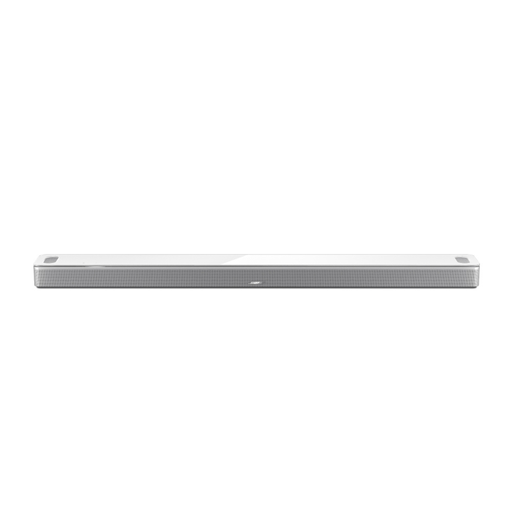
Bose Smart Ultra Soundbar in Arctic White

Bose Smart Ultra Soundbar Arctic White

Consider this soundbar if television audio and music share the lounge and you want to assess voice requests alongside other playback methods.

Arctic White finish. Before choosing it for child-led songs, confirm whether the exact model and UK account support the child-profile, content, shopping and volume controls you need. Check its microphone controls if privacy is a priority.

View on Joybuy

Common questions

Do I need a children’s model to play children’s songs?

No. A standard smart speaker can play music, but a compatible Echo with Amazon Kids on Alexa is worth considering when children will make requests themselves and you want its documented child-profile controls. Confirm those controls for the exact device and account.

Can children use a smart speaker without an adult nearby?

Set household rules and review the available controls before allowing independent use. UK Safer Internet Centre advises parents and carers to discuss acceptable uses, time limits and what children should do if they hear upsetting content.

Will my usual music service work by voice?

Check the service against the exact speaker and account before buying. Apple Support says some HomePod music services require a subscription and not all services are supported, so support on a phone does not establish how voice requests will work on the speaker.

What should I check about microphone privacy?

Check what information the speaker and app collect, the available permissions and whether the model has a physical microphone control. The Information Commissioner’s Office identifies a physical switch that stops voice-data gathering as one feature to consider; a speaker without built-in voice control changes how the family will start songs.

What do I need to set up a HomePod?

Apple Support says HomePod setup requires an iPhone or iPad connected to the intended Wi-Fi network, with Bluetooth enabled. Check the device’s software and the music service you plan to use before choosing HomePod for the lounge.