What matters when choosing
Decide whether the speaker must play sound from your TV and other connected devices, or whether it will mainly stream music. That distinction changes which connection and expansion options matter.
TV-connected soundbar
Consider it when: Films from the TV are the priority and you want a direct TV-audio route with the possibility of adding other speakers.
Allow for: Space for the soundbar and any expansion components. For Sonos home-theatre products, Dolby Atmos playback also depends on the TV connection, source and content, according to Sonos Support.
Streamer-connected smart speakers
Consider them when: A compatible Fire TV or Apple TV 4K is already central to how you watch films; Amazon and Apple each document home-cinema setups for selected speakers.
Allow for: Model-specific requirements. Amazon distinguishes Fire TV-only playback from configurations that can also receive other TV-connected sources; Apple's HomePod home-cinema route requires Apple TV 4K.
Standalone music speaker
Consider it when: Music and occasional casual listening matter more than replacing the TV's sound system.
Allow for: A separate TV-audio solution if you later want film sound from the TV. Sonos documents Era 300 for TV Dolby Atmos as surrounds in a home-theatre setup, not as a standalone TV soundbar.
| Concern |
What to check |
Who this matters to |
| TV and source compatibility |
Identify whether films come from TV apps, a streaming box or another HDMI device. Check the exact speaker and streamer models and the TV's required connection. |
If I watch films from several devices, I need to know which of them can send sound to the speakers, not just whether music streams to them. Around 36% of consumers would put source compatibility first. |
| Sound across a large room |
Compare a single speaker with a supported stereo pair or expandable TV system. Check placement needs and whether the content and full connection chain support the sound format you want. |
For orchestral scores or action films, I may want separate left and right channels or room for a larger system. Around 29% of consumers would make large-room presentation their primary concern. |
| Existing ecosystem |
Match your voice assistant and streamer to a documented TV-audio setup. Apple Support and Google Streaming Help specify same-model speakers for their respective stereo-pair routes. |
If my household already uses Alexa, Siri or Google Home, I want familiar controls without choosing a setup that cannot play my film sources. Around 21% of consumers would prioritise ecosystem continuity. |
| Simple listening and later expansion |
Check whether a standalone speaker can later form a compatible pair or join the home-theatre system you have in mind; do not equate spatial music playback with TV-audio support. |
I mainly play music and only occasionally listen to a film soundtrack, so I may prefer one speaker for now. Around 14% of consumers would put that simpler starting point first. |
Brands and their relevant setups
These brands illustrate different music and TV-audio routes. Compare the specific products and supported connections, rather than treating a brand name as a compatibility guarantee.
Amazon Echo
An Alexa-led route for households using a compatible Fire TV and Echo Studio.
- Amazon Customer Service lists selected Echo and Fire TV combinations for Alexa Home Cinema, including configurations using HDMI ARC.
- Support for other TV-connected sources depends on the particular Fire TV, Echo and HDMI ARC setup; Fire TV audio support alone does not establish support for a games console or cable box.
Sonos
A modular range spanning the Era 300 music speaker and TV-connected home-theatre soundbars such as Arc Ultra.
- Sonos describes Arc Ultra as expandable with a Sub and rear speakers, while Era 300 offers a separate spatial-music route.
- Sonos Support documents Era 300 for TV Dolby Atmos as surrounds in a home-theatre setup. TV Atmos playback depends on the source, service and compatible TV connection.
Apple
A Siri and AirPlay route centred on HomePod and Apple TV 4K.
- Apple Support documents home-cinema audio from Apple TV 4K to a HomePod or HomePod stereo pair, with supported surround formats dependent on the setup and content.
- A HomePod stereo pair needs two speakers of the same model. HomePod mini does not support Dolby Atmos, 5.1 or 7.1 surround sound.
Google
A Google Home voice-control route with documented stereo pairing for compatible speakers.
- Google Streaming Help supports pairing certain Google and Nest speakers of the same model in the same room for stereo sound.
- Check TV-audio support for the exact speaker and streamer; a documented stereo music pair does not by itself establish that it can replace TV speakers.
TV-audio products on Joybuy
These soundbars are options to consider when film audio from the TV is the main goal. Choose between them by checking your TV connection, the exact package contents and how much space you can give the system; their presence here does not establish measured sound coverage for your room.
 No image available
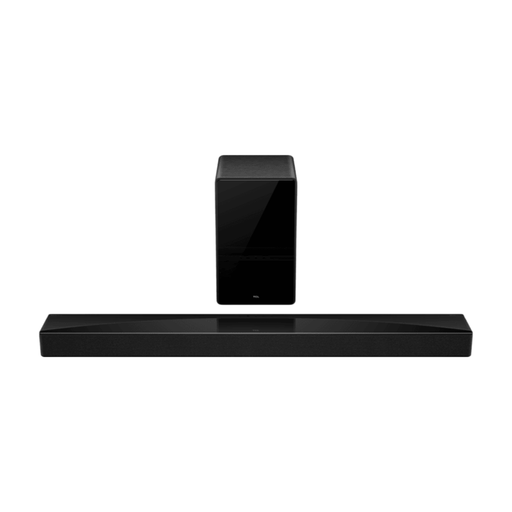
TCL Q75 Series 5.1.2 Soundbar
Consider this TV-oriented option if a 5.1.2-channel layout is part of your plan for film soundtracks.
Check that its required connection works with your TV and film sources, and confirm the package contents if a subwoofer is important to your setup.
View on Joybuy
 No image available
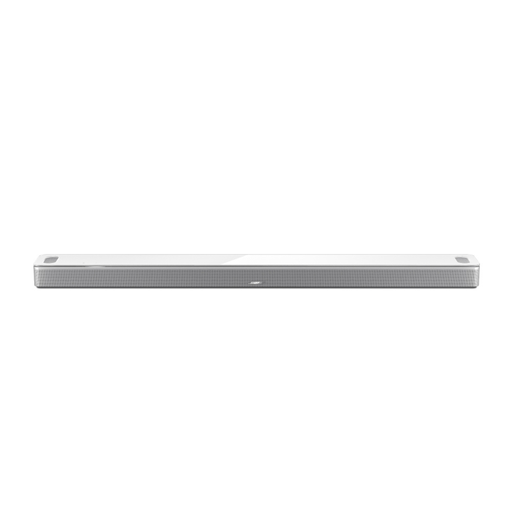
Bose Smart Ultra Soundbar, Arctic White
This is a soundbar route to consider if you want TV soundtrack playback in a smart-speaker setup.
Check its connection with your exact TV and film sources. If you want a subwoofer or rear speakers, confirm the components you would need separately.
View on Joybuy
 No image available
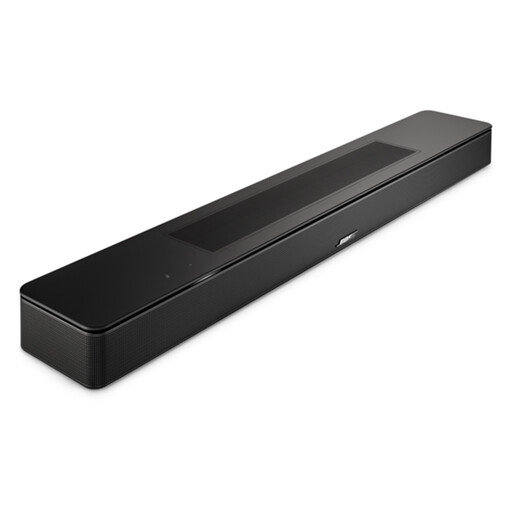
Bose Smart Compact Sound Bar
Consider this compact soundbar if you want a TV-audio starting point without planning a larger multi-component setup immediately.
Check the connection required by your TV and sources. If fuller bass is a priority, confirm the compatible add-on and what is included with this product.
View on Joybuy
 No image available
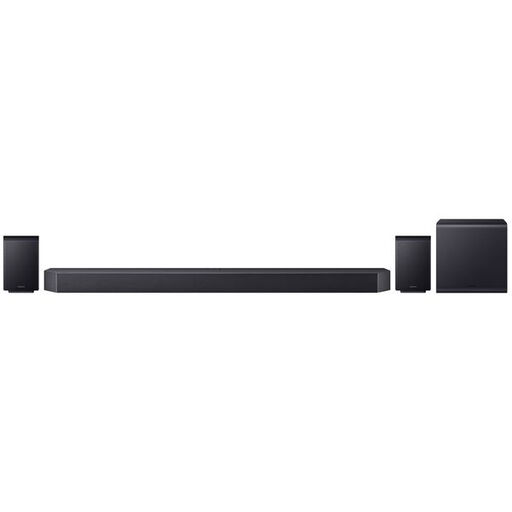
Samsung HW-Q990H/XC 11.1.4-channel Soundbar, Black, 756 W
Consider this 11.1.4-channel model if you have space for a TV-audio setup with multiple speaker components.
Confirm the components included with the exact variant, your TV connection and the audio formats supported by this SKU before choosing it for a particular film source.
View on Joybuy
Common questions
Can one smart speaker replace my TV speakers for films?
It can in a supported setup, but a standalone speaker's music features do not establish that it can receive TV sound. Apple Support documents HomePod home-cinema audio with Apple TV 4K; Amazon Customer Service lists compatible Echo and Fire TV configurations. Sonos Support identifies a TV-connected home-theatre soundbar as the direct Sonos route, with Era 300 used as surrounds for TV Dolby Atmos.
Do I need HDMI ARC or eARC?
That depends on the system and audio format you intend to use. Sonos Support requires HDMI ARC or eARC for Dolby Atmos playback on its home-theatre products and eARC for lossless Dolby TrueHD Atmos. Amazon Customer Service specifies compatible Fire TV and Echo devices plus HDMI ARC for Alexa Home Cinema setups that play TV and other HDMI-source audio.
Will two smart speakers give me a stereo soundtrack?
A supported pair can provide separate left and right channels, but two arbitrary smart speakers will not necessarily pair or receive TV audio. Apple Support requires two HomePods of the same model for its stereo-pair route, and Google Streaming Help likewise specifies same-model speakers in the same room. Check the pair's film-audio route separately from its music-pairing feature.
Does Dolby Atmos support guarantee Atmos sound from films?
No: the film, playback service or device, TV connection and speaker setup must support the relevant route. Sonos Support sets out TV and connection requirements for its home-theatre products; Apple Support says Apple TV 4K plays Atmos or surround through a supported HomePod home-cinema setup when the content offers it.
What should I do with an old smart speaker?
Check the retailer's take-back arrangements and your local authority's electrical-waste collection options before disposing of it. GOV.UK describes the UK waste electrical and electronic equipment framework as supporting recovery, reuse and recycling of electrical equipment.


