
24/7 Customer Support

Free returns

Same-day & Next-day Delivery

Quality Guaranteed

Unlock Your Welcome Offers: FREE Delivery | Up to 80% OFF | Free 30-day JoyPlus trial
Download the APP
Choosing a new smart TV can feel overwhelming. The market is flooded with technical jargon, competing technologies and features that sound impressive but often fail to deliver. Many UK shoppers end up with a television that either underperforms or becomes frustratingly slow within a year. As the Joybuy Product Recommendation Officer, my role is to help you navigate this landscape and identify what truly matters for your home.
Before you spend your hard-earned money, it's crucial to be aware of a few common pitfalls. Understanding these can save you from disappointment and ensure you get a TV that fits your needs for years to come.
To make an informed choice, focus on the foundational technology. These three parameters will have the biggest impact on your daily viewing experience.
The two dominant premium technologies are QLED TV and OLED TV, and they work very differently.
While 8K is available, a 4K TV (3840 x 2160 pixels) remains the sensible standard for almost all UK homes. It offers a sharp, detailed picture that is a clear step up from old 1080p HD.
The more important decision is screen size. A 55 inch TV is the most popular size for average UK living rooms, offering an immersive experience without overwhelming the space. For larger rooms or a more cinematic feel, a 65 inch TV is a great option, but be sure to measure your space and consider your viewing distance. A screen that is too large for the room can be uncomfortable to watch. For smaller spaces like bedrooms or kitchens, a 32-inch or 43-inch model is often a more practical fit.
The operating system (OS) is the brain of your smart TV. A good OS should be fast, intuitive and well-supported. The two most common platforms in the UK are:
We've filtered the market based on these core principles. Here are a few recommendations matched to different household needs, all of which avoid the common traps.

Why This Fits Their Persona: Perfect for a bedroom, kitchen, or student flat, this compact TV offers premium picture technology without the high cost. It provides a full smart experience for smaller spaces where a large 4K screen would be unnecessary and overpriced.
It runs on the well-supported Google TV platform, ensuring it stays fast and up-to-date. The QLED panel provides a much richer colour volume than standard affordable TVs, offering a more genuine HDR effect.
Delivers vibrant QLED picture quality in a compact size. Features a modern, slim frameless TV design.
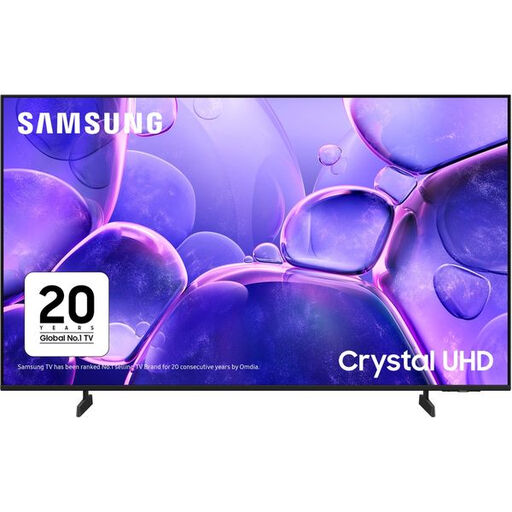
Why This Fits Their Persona: This is a fantastic all-rounder for the main family living room. The 55 inch TV size is ideal for most spaces, and it balances great picture quality for movie nights with features for casual gaming and seamless streaming.
It runs on Samsung's fast and reliable Tizen OS. The Crystal Processor 4K provides effective upscaling and HDR performance, while the Game Enhancer mode with Auto Low Latency Mode (ALLM) offers a genuine improvement for gaming.
A balanced and reliable package from a major brand. Features Adaptive Sound technology that optimises audio based on what you're watching.
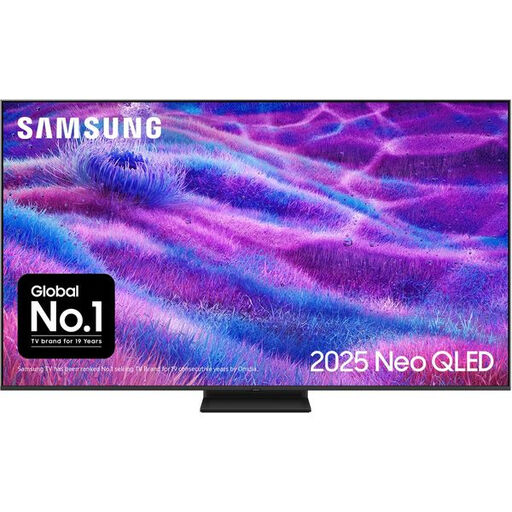
Why This Fits Their Persona: For those who want a top-tier experience, this 65 inch TV delivers. Its Neo QLED (Mini LED) panel offers incredible brightness and contrast for cinematic movies, while its full suite of gaming features provides a competitive edge with next-gen consoles.
This TV demolishes the "Gaming TV" gimmick by providing true high-performance specs: a 120Hz refresh rate, VRR, FreeSync Premium Pro and HDMI 2.1 ports. Its Quantum Matrix Technology provides outstanding, genuine HDR performance.
Exceptional brightness and contrast control from the Neo QLED panel. A complete set of next-generation gaming features for an ultra-smooth experience.
We have compiled a complete, real-time list of products that fully satisfy these strict selection criteria and UK safety regulations.
The physical hardware of a well-made television should last for many years, often 5 to 7 or more. The "smart" functionality, however, is dependent on the software. Models with established operating systems like Tizen OS or Google TV and more powerful processors tend to receive crucial app and security updates for longer, extending their useful smart lifespan.
In many cases, yes. QLED TV panels can typically achieve higher levels of brightness than OLEDs. This is a significant advantage in rooms with large windows or lots of ambient light, as the brighter screen is more effective at overcoming glare and reflections, ensuring a vibrant picture even during the day. OLEDs perform at their peak in darker, more controlled lighting environments.
You can find the estimated energy consumption on the TV's Energy Efficiency Class label. While modern televisions are far more efficient than older plasma or CCFL models, a large, high-performance screen will naturally consume more electricity. Under the current UK energy labelling system, it is common for powerful 4K TV and OLED TV models to have an F or G rating. This reflects their high performance and brightness, but it is a factor to consider in your household's overall energy usage.