
24/7 Customer Support

Free returns

Same-day & Next-day Delivery

Quality Guaranteed

Unlock Your Welcome Offers: FREE Delivery | Up to 80% OFF | Free 30-day JoyPlus trial
Download the APP
Choosing a new smart TV can feel overwhelming. The market is flooded with technical jargon, competing technologies and features that sound impressive but often fail to deliver. Many UK shoppers end up with a television that either underperforms or was more expensive than it needed to be. As your Joybuy Product Recommendation Officer, my role is to help you cut through the clutter and focus on what truly matters.
Before you spend your hard-earned money, be aware of these common pitfalls:
To avoid these traps, focus on a few core parameters. Understanding these will empower you to choose a TV that fits your needs and budget perfectly.
The first thing you'll see advertised is resolution. While 4K smart TV (3840 x 2160 pixels) is the standard for most screens over 40 inches, providing a sharp and detailed image, the technology behind the pixels is just as important.
The operating system determines how you interact with your TV. The main platforms you'll encounter in the UK are:
Crucially, ensure any model you consider includes a TV with Freeview Play. This service is essential for UK viewers, as it integrates all the main catch-up apps (BBC iPlayer, ITVX, All 4, My5) directly into the TV guide, allowing you to scroll back and watch shows you've missed.
The right ports are vital, especially if you're a gamer or have multiple devices. For a smart TV for gaming, look for HDMI 2.1 ports. This standard supports features like 4K gaming at 120 frames per second, Variable Refresh Rate (VRR) and Auto Low Latency Mode (ALLM), which work together to provide a smooth, responsive gaming experience. For general use, ensure the TV has at least three HDMI ports and a couple of USB ports for media playback.
Here are a few models that align with different user needs, selected to help you avoid the common pitfalls.
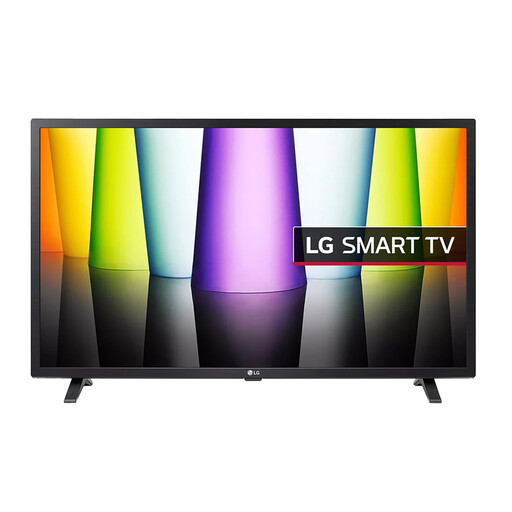
Why This Fits Their Persona: This 32 inch smart TV is an excellent choice for a bedroom, kitchen or study. It provides a full smart experience in a compact and affordable package, making it a great secondary screen without compromising on usability.
It runs on LG's proven WebOS TV platform, which is famously smooth and responsive. This sidesteps the "sluggish interface" trap common in many other cheap smart TV models.
Features AI Sound processing to enhance audio clarity and includes integrated Freeview Play for easy access to all UK catch-up TV services.

Why This Fits Their Persona: This 55 inch smart TV is a fantastic all-rounder for the main living room. It balances a large, high-quality screen with a full suite of smart features, making it perfect for family movie nights, streaming series and general viewing.
It uses QLED technology and supports multiple HDR formats, including Dolby Vision. This ensures it delivers a genuine, vibrant HDR picture, avoiding the "fake HDR" trap of less capable TVs.
Powered by Google TV, it offers a huge app library and hands-free voice control. The addition of Dolby Atmos provides immersive audio to match the excellent picture quality.
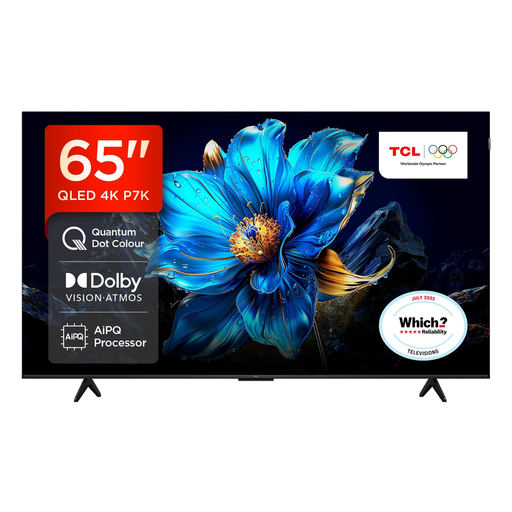
Why This Fits Their Persona: For those who want an immersive experience, this large 65-inch screen is built for performance. It's a true smart TV for gaming and cinematic viewing, with features that cater specifically to modern consoles and 4K Blu-rays.
It includes a dedicated Game Master mode with a 120Hz Game Accelerator, ALLM and VRR support via HDMI 2.1. This eliminates the input lag and motion judder that frustrate gamers on standard TVs.
The combination of a large QLED display and Dolby Atmos audio creates a powerful audio-visual package that excels with high-quality sources, from next-gen games to streaming services.
We have compiled a complete, real-time list of products that fully satisfy these strict selection criteria and UK safety regulations.
Yes. In the UK, you need a TV Licence to watch or record programmes as they are being shown on TV or live on an online TV service. This includes services like BBC iPlayer, ITVX, All 4 and others. The licence is required regardless of the device you use, whether it's a TV, laptop or tablet. You do not need a licence to watch on-demand content from services like Netflix or Disney+.
A modern smart TV should physically last between 7 to 10 years with average use. However, the "smart" functionality is a different matter. Manufacturers typically provide software and app updates for a few years after a model is released. After this period, some apps may stop working. This is why choosing a TV with a popular, well-supported OS like Google TV or WebOS can extend its useful smart lifespan.
The primary difference is the user interface and ecosystem. Google TV excels at aggregating content from all your streaming apps into one home screen, offering personalised recommendations. It's deeply integrated with the Google ecosystem. WebOS TV is known for its simple, clean layout featuring a launcher bar at the bottom of the screen and a motion-controlled "Magic Remote" that makes navigation feel like using a computer mouse. Both are excellent and the choice often comes down to personal preference.