
24/7 全天候客户支持

免费退货

当日/次日达

品质保障

开启新人专享福利: 全场免邮 | 低至 2 折 | 免费试用 30 天 JoyPlus 会员
下载 Joybuy
For many UK shoppers, choosing between smart watches and fitness trackers comes down to more than screen size or the number of advertised sports modes. The right device should suit your phone, routine, preferred activities and tolerance for regular charging.
Marketing language can make similar-looking wearables seem interchangeable, but important differences are often hidden in the specifications. A fitness tracker watch may rely on your phone for GPS, while a GPS smartwatch can record routes independently. A device described as waterproof may only be suitable for shallow swimming, and health-monitoring features should not be confused with medical equipment.
This guide explains the main buying pitfalls and highlights practical options for different types of users.
A fitness tracker with connected GPS uses your smartphone to record location, pace and distance. This can be suitable for walkers or occasional runners who normally carry their phone, but it will not provide phone-free route tracking.
A GPS smartwatch with independent positioning, such as a model supporting multiple satellite systems, can record outdoor activities without your handset. Check whether the listing says built-in, independent or connected GPS before buying.
Water ratings have specific limitations. 5 ATM generally indicates suitability for shallow-water activities such as pool swimming when used according to the manufacturer’s instructions. IP68 describes resistance to dust and water under stated test conditions, but it does not automatically mean suitability for swimming, diving or hot showers.
Salt water, soap, steam, fast-moving water and repeated exposure can affect seals over time. Always check the product’s instructions, particularly if you need a waterproof smartwatch for regular swimming.
Battery figures usually depend on settings and usage. GPS, frequent notifications, Bluetooth calling, health sensors and an always-on display can reduce runtime considerably. For example, a long battery life smartwatch may quote up to 14 days under typical or low-use conditions, while always-on display use can reduce this substantially.
Look for separate figures for typical use, heavy use and always-on display rather than relying on one headline number.
Confirm that the wearable supports your phone’s operating system. Some devices work with both iOS and Android, but certain functions may be limited on one platform. Apple Watch models require an iPhone for setup, while the Samsung Galaxy Watch7 listing notes Android and iOS compatibility with limited features.
Bluetooth versions affect connection efficiency, but they do not guarantee identical performance across every phone. If you want calls from your wrist, check for a built-in speaker and microphone, as well as whether Bluetooth calling requires the phone to remain nearby. LTE models may require a compatible eSIM plan.
An AMOLED smartwatch generally offers strong contrast and vibrant colour, making it useful for viewing notifications outdoors or checking workout information quickly. Brightness also matters: the HUAWEI WATCH FIT 4 Pro, for example, lists a 1.82-inch AMOLED display with up to 3,000 nits peak brightness.
For overnight wear, weight and thickness may matter more than screen size. Slim tracker bands can be easier to wear in bed, while larger watches provide more room for maps, messages and workout data. Check the stated wrist-size range and whether replacement straps are available.
A smartwatch with heart rate monitor can display heart-rate readings during everyday activity and workouts. A sleep tracker watch may record sleep duration or stages through its companion app. An SpO2 fitness tracker can provide blood-oxygen readings for general wellness reference.
These readings can vary with fit, movement, skin contact and settings. They are not a substitute for professional medical assessment. Features such as ECG, blood pressure, stress or women’s health tracking should be treated as wellness functions unless a qualified healthcare professional advises otherwise.
Also compare sports modes, automatic exercise recognition, route tracking and workout metrics. A high number of modes is not necessarily useful if the activities you regularly do are not supported in a meaningful way.
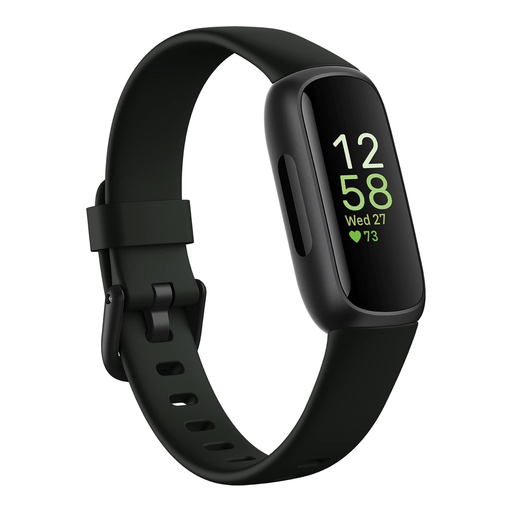
Why This Fits Their Persona: Its slim 13.8g tracker design, 20+ exercise modes and up to 10 days of stated battery life suit shoppers wanting straightforward activity and sleep tracking without a large watch case.
The listing clearly identifies connected GPS, so buyers know a phone is needed for route mapping. Its 5 ATM rating is specified for swimming rather than unrestricted water use.
Lightweight format; iOS and Android compatibility; automatic sleep monitoring and phone notifications.
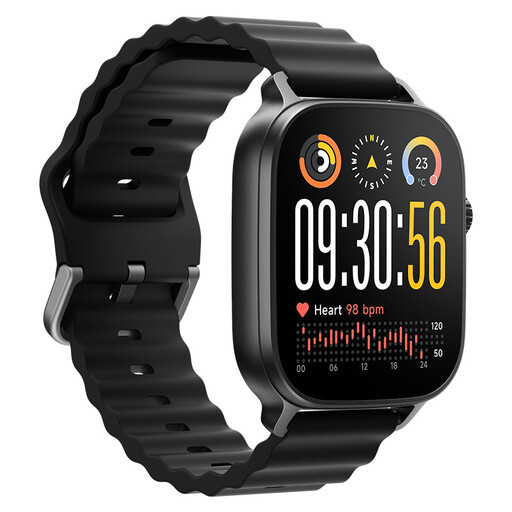
Why This Fits Their Persona: Runners, cyclists and outdoor users can use its independent five-system GNSS positioning without carrying a phone for every route.
Its specification distinguishes independent GPS from connected GPS. The IP68 rating is stated separately from its sports functions, making the water-use limitation easier to check.
1.97-inch 600-nit AMOLED display; Bluetooth calling; 108 listed sport modes; 460mAh battery with up to 14 days typical use.
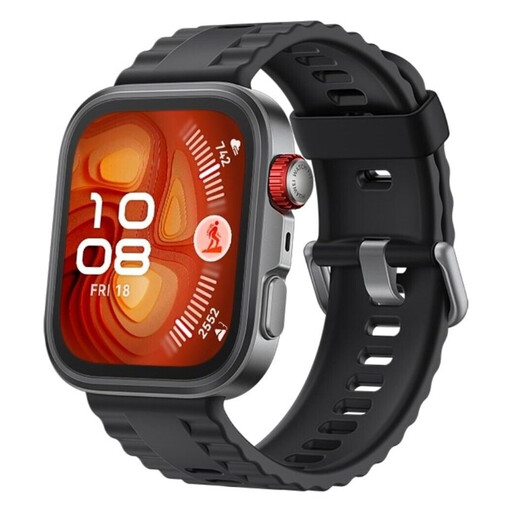
Why This Fits Their Persona: It suits shoppers seeking a brighter, more durable AMOLED smartwatch for mixed training, everyday notifications and outdoor use.
The product information separates 5 ATM, IP6X and dive certification, while warning against hot showers and scuba diving beyond 40 metres.
1.82-inch AMOLED screen; sapphire glass; dual-band GNSS; NFC; up to 10 days typical battery life.
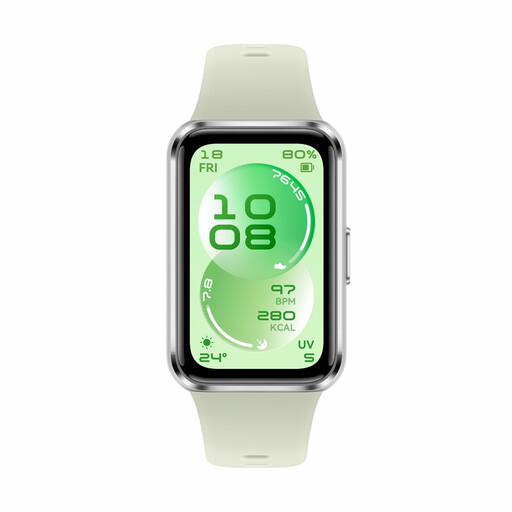
Why This Fits Their Persona: Its 16–17g form, 5 ATM rating and stated sleep, heart-rate and SpO₂ tracking make it suitable for lightweight day-and-night wear.
The specification gives separate battery figures: up to 14 days typical use, up to 8 days heavy use and up to 3 days with always-on display.
1.62-inch AMOLED display; Bluetooth 6.0; continuous SpO₂ support; compatible with Android 9+ and iOS 13+.
We have compiled a complete, real-time list of products that fully satisfy these strict selection criteria and UK safety regulations.
They can be useful if you will regularly use the features provided, such as step counting, sleep summaries, exercise recording or notifications. A simpler health and fitness tracker may be more practical than a full smartwatch if you do not need calls, apps or independent GPS.
The usable lifespan depends on battery ageing, software support, strap condition and exposure to water or impact. Many devices remain functional for several years, but battery capacity gradually decreases. Check whether replacement straps and charging accessories are available before purchasing.
Charging costs are usually small because wearable batteries have relatively low capacity. However, charging frequency varies with GPS, screen brightness, always-on display, calls and notifications. Comparing typical battery-life figures can reduce the need for frequent charging and make everyday ownership more convenient.