
24/7 Customer Support

Free returns

Same-day & Next-day Delivery

Quality Guaranteed

Unlock Your Welcome Offers: FREE Delivery | Up to 80% OFF | Free 30-day JoyPlus trial
Download the APP
Smart wearable technology now covers far more than step counting. From smartwatches and fitness trackers to smart rings, smart glasses and XR glasses, these devices can support exercise, sleep monitoring, communication, navigation, productivity and entertainment.
However, attractive specifications do not always translate into a suitable purchase. A device may advertise heart rate monitors, sleep tracking or GPS smartwatches features, yet still disappoint because of limited compatibility, uncomfortable sizing or expensive ongoing services. The following guide explains what to check before buying, with practical options for UK users.
Many health tracking wearables measure heart rate, blood oxygen, sleep patterns or stress-related trends. These readings can help you understand general wellness habits, but they are not automatically medical measurements.
Treat features such as ECG, SpO₂, sleep apnoea notifications and hypertension alerts as wellness-oriented functions unless the manufacturer clearly states otherwise. They should not replace advice from a GP or other qualified healthcare professional.
Some fitness trackers use connected GPS, which relies on your phone to record routes. Others, including selected GPS smartwatches and sports watches, have independent satellite positioning.
If you want to leave your phone at home while running, hiking or cycling, check for built-in GPS or GNSS. Also confirm whether mapping, emergency functions or mobile calls require a phone, eSIM or separate subscription.
A feature-rich device is of limited use if it needs charging every day, irritates your skin or does not work properly with your phone. Smart rings create a separate sizing issue, while smart glasses may require prescription lenses or a compatible USB-C video-output device.
Before ordering, check:
IP ratings and ATM ratings describe different forms of protection. IP67 or IP68 relates to dust and water ingress under specified test conditions, while 5 ATM generally indicates suitability for shallow-water activities when used as directed.
Neither rating means a device is suitable for diving, saunas, hot showers or high-pressure water. Water resistance can also reduce with age, impact and wear. For swimming, follow the product instructions rather than relying solely on the number printed in a listing.
A smartwatch or wellness tracker may include optical heart rate sensors, accelerometers, gyroscopes, skin-temperature sensors or bioelectrical impedance sensors. More sensors can support a wider range of metrics, but results depend on secure positioning, skin contact, movement and software interpretation.
For sleep trackers and health tracking wearables, prioritise:
A larger AMOLED screen can improve readability outdoors, while a compact fitness tracker may feel more comfortable overnight. Bluetooth calling watches need a built-in microphone and speaker, but call quality can vary in busy environments.
For smart glasses, check field of view, display resolution, weight, brightness adjustment and device compatibility. A virtual display may work with a laptop or handheld console only when the USB-C port supports video output. Camera-free designs can also be more suitable for offices, public transport and social settings where privacy matters.
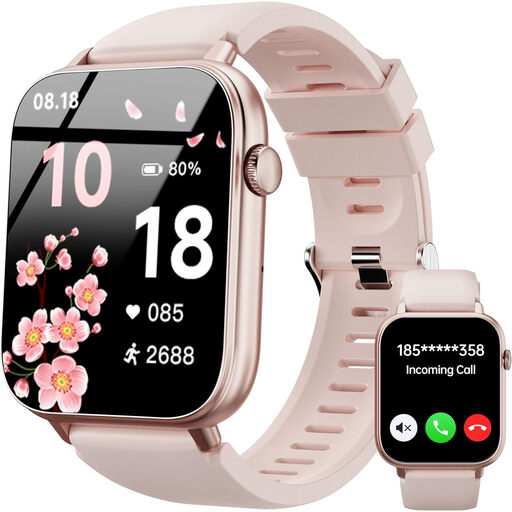
Why This Fits Their Persona: A practical starting point for UK shoppers wanting notifications, everyday activity tracking and Bluetooth calls without moving straight to a premium ecosystem.
It lists Android and iOS compatibility, over 100 sports modes and an IP68 rating, helping buyers check core requirements instead of relying on vague lifestyle claims.
1.83-inch touch display; built-in microphone and speaker; quoted battery life of up to 7 days in daily use.
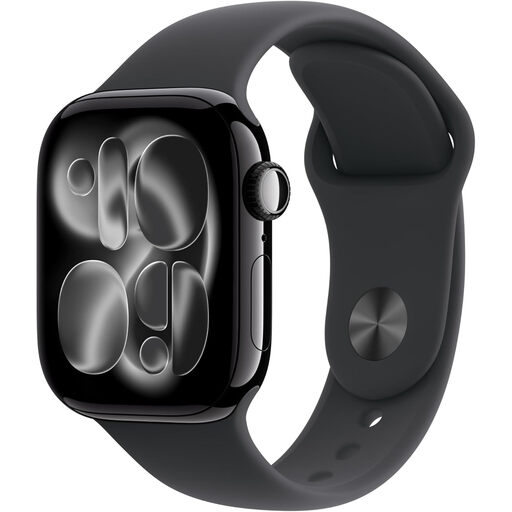
Why This Fits Their Persona: A suitable match for iPhone users seeking a broad combination of fitness, notifications and health-related features in one established device ecosystem.
The listing clearly states that an iPhone is required for setup and features, reducing the risk of buying a device that does not match your phone.
GPS connectivity; 50-metre water resistance; ECG, heart rate, sleep and workout functions listed in the specifications.
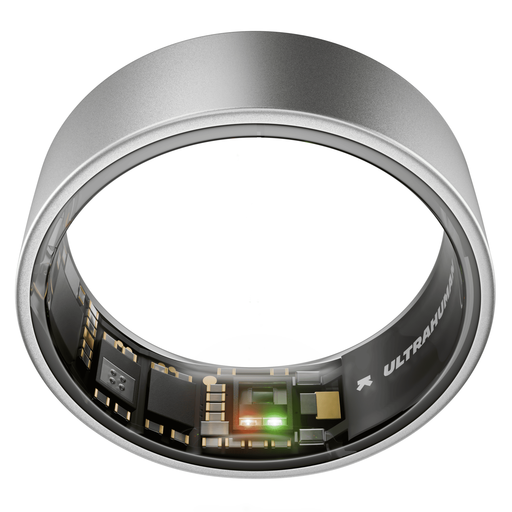
Why This Fits Their Persona: Designed for shoppers who prefer discreet, screen-free tracking focused on sleep, movement, recovery and daily wellness trends.
The product information highlights that ring sizing differs from standard rings, so buyers can order a sizing kit before selecting the correct size.
Titanium construction; tracks REM, deep and light sleep, HR, HRV, skin temperature and activity.
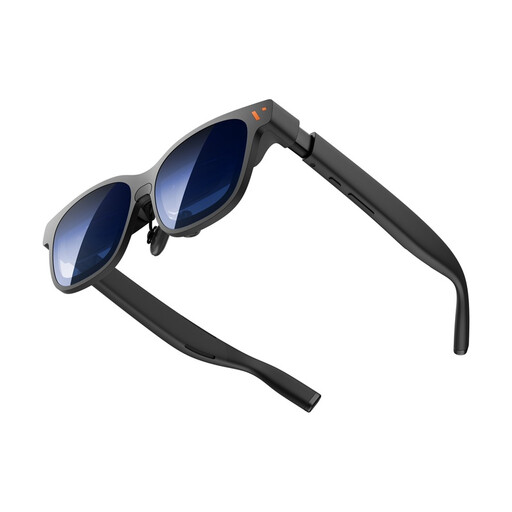
Why This Fits Their Persona: A focused option for commuters, travellers, gamers and remote workers who want a private, large-format display from compatible devices.
Compatibility is specified around USB-C video output, while some phones, consoles and HDMI devices may need accessories. This makes the connection requirement clear before purchase.
146-inch virtual display; 120Hz refresh rate; built-in 0 to -5.0D adjustment; 63g listed weight.
The purchase price is only part of the calculation. Check whether the companion app locks detailed insights behind a subscription, whether replacement straps or charging cables are readily available, and whether cellular models require a monthly plan.
Battery claims are normally based on selected settings. GPS, frequent calls, bright displays and always-on modes can shorten runtime. For overnight sleep tracking, choose a device that can recharge quickly or run for several days between charges.
Parents comparing kids' smartwatches should also check SIM requirements, location permissions, approved contacts, school rules and privacy settings. A model such as the imoo Z3 includes 4G connectivity and satellite positioning, but network coverage and service costs still need confirming before use.
We have compiled a complete, real-time list of products that fully satisfy these strict selection criteria and UK safety regulations.
Many fitness trackers and smartwatches need a smartphone for setup, app syncing, notifications or connected GPS. Devices with independent GPS, 4G LTE or Bluetooth calling may operate more independently, but features and network requirements vary by model.
A wearable’s usable life depends on battery ageing, software support, water exposure and physical wear. Review charging habits, warranty information and replacement accessory availability. Batteries are often built in and are not intended for home replacement.