Joybuy Insights

Shake-Free Shots: How to Choose a Smartphone Stabiliser

Smartphone cameras have become incredibly powerful, but even the most advanced models can't defy the laws of physics. A shaky hand can turn a potentially great video into a jarring, unwatchable clip. For content creators, vloggers and anyone wanting to produce smoother, more professional-looking footage, a smartphone stabiliser is an essential piece of kit.

The market is filled with options, from simple stands to sophisticated electronic gimbals. This guide is designed to help you understand the key differences and identify the right tool for your needs, whether you're filming a travel diary, a product review or capturing family memories. We will look at what to consider before buying and highlight a few recommended options for 2026.

What to Look for in a Smartphone Stabiliser

Choosing the right device depends entirely on how you plan to use it. Here are a few practical points to consider to ensure you get the stability you need.

1. Stabilisation Method: Static Tripod vs. Active Gimbal

The first step is to decide what kind of movement you need to counteract.

  • Tripods and Stands: A travel tripod for phone or a selfie stick tripod is designed for static stability. It holds your phone perfectly still for stationary shots like interviews, time-lapses or vlogging segments where you are seated. They are typically lightweight and straightforward to use.
  • Gimbals: A phone gimbal is an active, electronic device. It uses motors and sensors to counteract your movements in real-time, keeping the phone level and steady even while you walk, run or pan. A 3-axis stabiliser is the standard for gimbals, as it corrects for tilt (up and down), roll (side to side) and pan (left and right) movements, resulting in cinematic-style smoothness.

2. Portability and Build Quality

For creators on the move, size and weight are critical. A bulky stabiliser that is difficult to carry will likely be left at home. Look for models made from lightweight materials like aluminium that fold down into a compact form. Consider how you will carry it—some ultra-portable models even come with carabiner clips to attach to a bag or belt loop.

3. Features and Compatibility

Beyond basic stabilisation, many devices offer features that can form a complete vlogging kit. Check for a built-in extension rod for wider selfies or creative angles. Battery life is crucial for gimbals, so look for models that offer several hours of use per charge. Also, ensure the clamp or mount is large and strong enough to hold your specific smartphone, especially if you use a case or add-on lenses.

Top Smartphone Stabiliser Recommendations

Here are a few options that cater to different types of content creators, from those needing a simple, steady base to those requiring advanced motion stabilisation.
ULANZI MT-79 Extendable Tripod Aluminium

ULANZI MT-79 Extendable Tripod Aluminium

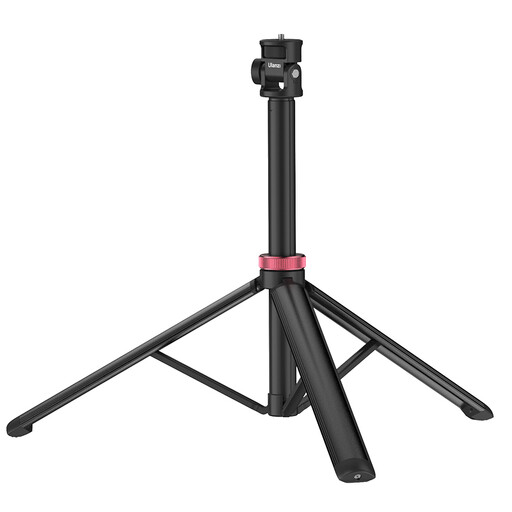
  • Why It Stands Out: This device prioritises height and versatility. Extending to an impressive 81 inches (over 2 metres), it allows you to capture high-angle shots or set up a stable filming position from a distance. It's more than just a phone tripod; it's a multipurpose stand.
  • Pros:
    • Exceptional Height: The 81-inch extension is ideal for overhead shots, group photos or placing lights.
    • Lightweight Construction: Made from aluminium, it remains portable enough for travel.
    • Versatile Mounting: The standard 1/4" screw and 360° ball head make it compatible with not just phones (with a separate mount), but also cameras and video lights.
  • Who is it for? Content creators who need a reliable, tall and stable platform for static shots. It's an excellent choice for studio setups, tutorials or anyone who also needs a portable light stand.

ULANZI MA30 Magnetic Phone Tripod Stand

ULANZI MA30 Magnetic Phone Tripod Stand

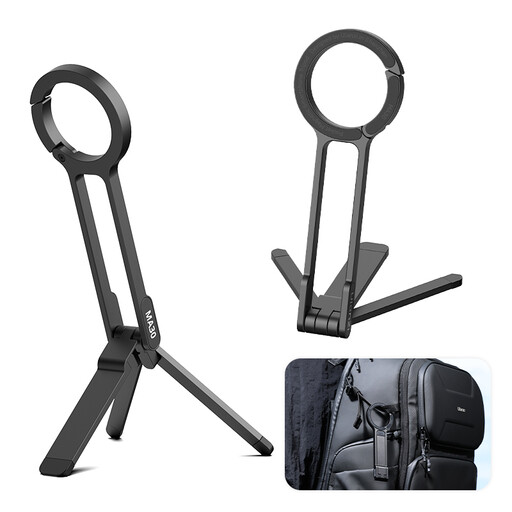
  • Why It Stands Out: This stand is built for ultimate portability and speed. Its magnetic mounting system and carabiner design mean it can be deployed in seconds, making it perfect for capturing spontaneous moments without fuss.
  • Pros:
    • Magnetic Quick Release: Allows for fast attachment and detachment of compatible phones.
    • Extremely Compact: Folds into a pocket-sized unit that can be clipped onto a bag or belt.
    • Multi-functional: Serves as a mini tripod for stable shots on a flat surface and a small grip or selfie stick.
  • Who is it for? The travel vlogger, social media influencer or casual user who values convenience above all. If you need a stabilising tool that is always with you and ready to go, this is a strong contender.

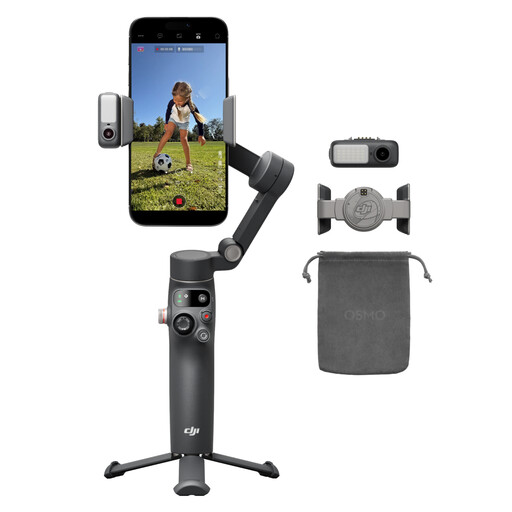
DJI Osmo Mobile 8 Gimbal Stabiliser for Phone

DJI Osmo Mobile 8 Gimbal Stabiliser for Phone

  • Why It Stands Out: This is a fully-featured phone gimbal that delivers professional-grade stabilisation for dynamic filming. Its robust 3-axis stabilisation system smooths out bumps, shakes and jitters, while its integrated features create an all-in-one production tool.
  • Pros:
    • Advanced 3-Axis Stabilisation: Provides smooth, cinematic footage while walking, running or capturing action.
    • Integrated Features: Offers native subject tracking, a built-in extension rod and a tripod base, reducing the need for extra accessories.
    • Long Battery Life: A 10-hour battery supports extended shooting sessions and it can even charge your phone while in use.
    • 360° Pan Rotation: Enables creative, immersive shots and seamless subject following.
  • Who is it for? Serious content creators, vloggers and aspiring filmmakers who need flawless, stabilised video while in motion. It is ideal for producing high-quality content for platforms like YouTube, Instagram and TikTok.

Looking for Other Options?

The right tool can transform your content, but everyone's creative workflow is different. If these recommendations don't quite match what you're looking for, there are many other styles and models available.

To see a wider selection of stability solutions, explore our complete range of phone video tripods and find the perfect match for your creative projects.

Frequently Asked Questions

1. What is the main difference between a gimbal and a tripod? A tripod provides a fixed, stable base to eliminate all movement for static shots. A gimbal is a motorised stabiliser that actively counteracts your movements, allowing you to capture smooth video while you are in motion.

2. Do I really need a 3-axis stabiliser for vlogging? If your vlogs involve walking and talking, or capturing action, a 3-axis stabiliser will make a significant difference in production quality. It smooths out the jarring movements that make handheld footage look amateurish. For static, seated vlogs, a good tripod is often sufficient.

3. Can I use a smartphone stabiliser with a case on my phone? It depends on the model. Most modern gimbals and phone clamps are designed to accommodate standard-sized phones with slim cases. However, very thick or heavy-duty cases may exceed the stabiliser's weight limit (payload) or be too bulky for the clamp. It is always advisable to check the product's specifications for maximum phone weight and dimensions.