
24/7 Customer Support

Free returns

Same-day & Next-day Delivery

Quality Guaranteed

Unlock Your Welcome Offers: FREE Delivery | Up to 80% OFF | Free 30-day JoyPlus trial
Download the APP
Buying a new phone is rarely as simple as comparing camera megapixels or choosing the largest storage option. Smartphones differ significantly in software support, network compatibility, battery performance, durability and included accessories. A specification that looks impressive on a product page may not provide much practical value for your daily routine.
This guide explains the main buying traps, the specifications worth checking and a selection of smartphones matched to different UK lifestyles.
A 200MP camera can capture highly detailed images, but photo quality also depends on the sensor size, lens aperture, optical image stabilisation, image processing and available lighting. A phone with a lower-resolution camera may produce more consistent results in everyday conditions.
For mobile photography, check whether the phone includes optical image stabilisation, an ultra-wide lens and a dedicated telephoto camera. These features can be more useful than simply choosing the highest megapixel figure.
Battery life depends on screen brightness, mobile signal, gaming, streaming, GPS and 5G usage. Capacity is measured in mAh, but this does not directly translate into a fixed number of hours.
For example, a 5,000mAh battery is common in Android smartphones, while rugged smartphones may offer 8,000mAh or more. A larger battery can increase endurance, but it may also make the device thicker and heavier. Look for stated video playback figures and consider whether fast charging is included.
Some Android smartphones advertise 16GB or 24GB RAM by combining physical memory with software-based RAM expansion. This is not equivalent to having the full amount of physical RAM.
Also check whether the advertised storage is usable capacity. System files reduce available space, while microSD expansion may be slower than internal storage. If you regularly record 4K video, download games or keep large work files, 256GB or more may be sensible. Those seeking smartphones with large storage may prefer models offering 512GB or 1TB internally.
A SIM-free smartphone should be suitable for use with a compatible UK network, but always check supported frequency bands and whether the device is genuinely unlocked. Unlocked mobile phones allow you to choose a network rather than being tied to a single provider.
Check the following before ordering:
Some newer Apple devices use eSIM only. This can be convenient for travel and switching networks, but it may require your carrier to support eSIM activation.
A 120Hz display can make scrolling and supported games feel smoother than a 60Hz panel. AMOLED screens generally offer strong contrast and deep blacks, while higher resolutions can improve text and image clarity.
A large display is useful for streaming, navigation and productivity, but a 6.9-inch phone may be less comfortable in a small pocket than a compact 6.3-inch model. Foldable smartphones offer a larger internal screen while remaining relatively compact when folded, although their hinge and display require careful handling.
An IP68 rating indicates tested resistance to dust and fresh-water submersion under stated conditions. It does not mean a phone is suitable for salt water, swimming or pressure washing, and resistance can reduce with wear.
Rugged smartphones may also list IP69K or MIL-STD-810H. These ratings describe particular test conditions rather than a guarantee that a device cannot be damaged. Check the charging port, screen protection, frame material and weight alongside the rating.
Many current smartphones do not include a wall charger. Factor in the cost of a compatible USB-C adapter, particularly if you want to use the advertised fast-charging speed.
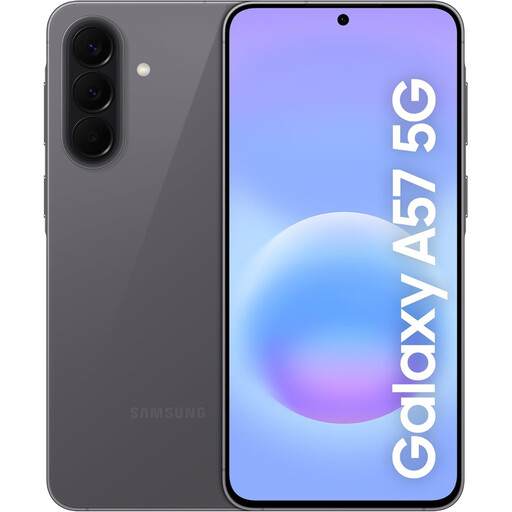
Why This Fits Their Persona: A practical option for everyday users who want 5G, a large AMOLED display and dependable battery capacity without moving straight to a flagship phone.
The specification lists 8GB physical RAM, 256GB storage, IP68 protection and up to six OS upgrades with six years of security updates, making the long-term ownership details clearer.
6.7-inch 120Hz Super AMOLED Plus display; 5,000mAh battery; 50MP camera with optical image stabilisation.
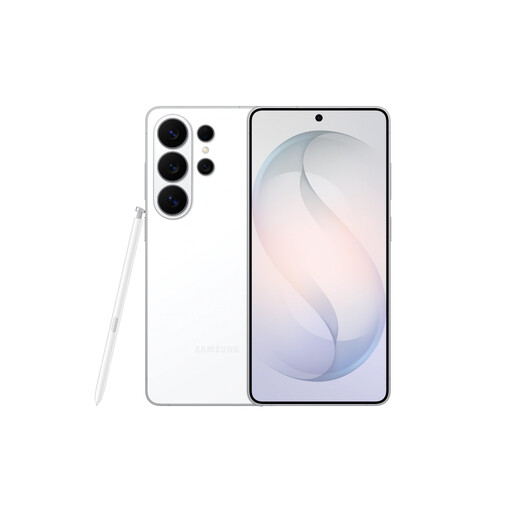
Why This Fits Their Persona: Designed for users who edit video, keep extensive media libraries, use a stylus and want a large, high-resolution screen for work or entertainment.
Its storage is 1TB of internal capacity rather than an expandable-storage estimate. The product details also identify the 16GB RAM configuration and state that the charger is not included.
6.9-inch QHD+ 1–120Hz display; 200MP quad-camera system; built-in S Pen; 5G, Wi-Fi 7 and IP68 rating.
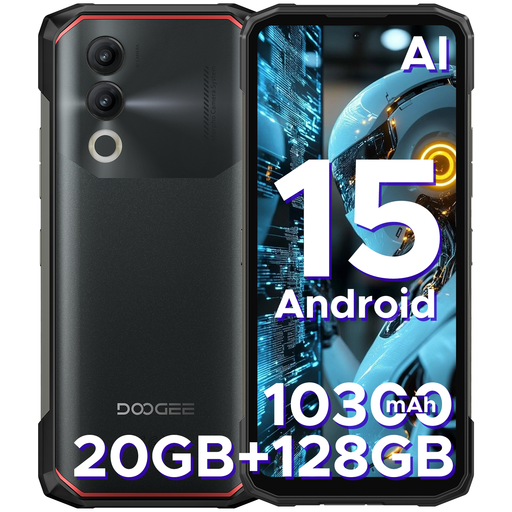
Why This Fits Their Persona: A suitable format for outdoor workers, travellers and users who prioritise battery capacity, physical resilience and flexible storage over a slim premium design.
The 10,300mAh battery, triple card slots and stated 2TB TF-card support address extended trips and limited access to charging or cloud storage.
IP68/IP69K and MIL-STD-810H listed; 90Hz display; NFC, OTG, dual SIM and 4G connectivity.
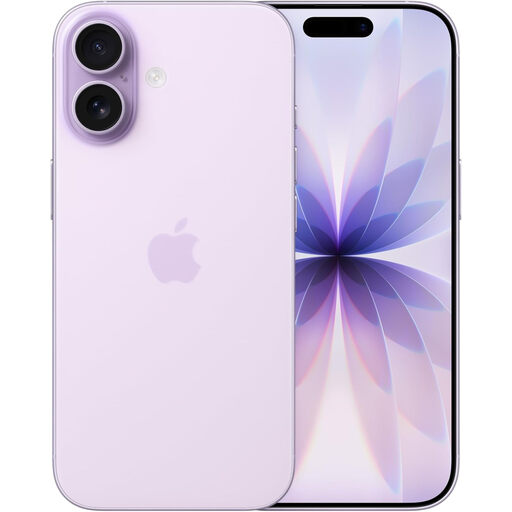
Why This Fits Their Persona: A straightforward choice for existing Apple users who want iOS, Apple Intelligence features and a compact flagship-style handset for photography and daily use.
The listing clearly identifies 256GB storage and eSIM connectivity. Buyers should confirm their UK network supports eSIM before placing an order.
6.3-inch ProMotion display up to 120Hz; 48MP Dual Fusion camera system; 5G, Wi-Fi 7 and USB-C.
We have compiled a complete, real-time list of products that fully satisfy these strict selection criteria and UK safety regulations.
Usually, a SIM-free phone is sold without a mobile contract, but you should still check the listing for explicit wording such as unlocked or compatible with all networks. Confirm network bands and eSIM support before buying.
A phone may remain physically usable for several years, but software support, battery wear and storage demands affect its practical lifespan. Models with a clearly stated security-update period and replaceable accessories such as USB-C cables can be easier to keep in service.
5G itself does not automatically create a separate device cost, but your mobile tariff, data usage and network coverage determine ongoing expenses. Streaming at higher quality and using a weak 5G signal can increase battery consumption, so check your contract as well as the handset.