
24/7 Customer Support

Free returns

Same-day & Next-day Delivery

Quality Guaranteed

Unlock Your Welcome Offers: FREE Delivery | Up to 80% OFF | Free 30-day JoyPlus trial
Download the APP
Buying smartwatches in the UK can seem straightforward until you compare battery claims, health sensors, GPS features and phone compatibility. A low-cost model may cover notifications and step counting, while a premium device can add independent navigation, calls, ECG functions and app support.
However, impressive-looking specifications do not always translate into a suitable everyday watch. Before choosing, check the following common pitfalls.
Terms such as IP67, IP68 and 5 ATM describe different forms of protection. An IP rating primarily covers dust and water exposure under defined test conditions, while ATM ratings relate to water pressure.
A watch rated IP67 or IP68 may cope with rain and accidental splashes, but that does not automatically make it suitable for swimming. A 5 ATM rating is more appropriate for ordinary swimming, although high-speed water sports and diving may still be excluded. Always follow the manufacturer’s usage instructions.
“Up to” battery figures depend on display brightness, GPS use, Bluetooth calling, notifications, exercise tracking and health sensors. A GPS smartwatch used for long outdoor runs will normally need charging more often than one used mainly for timekeeping and notifications.
If you dislike frequent charging, compare typical-use figures rather than standby claims. Devices with larger batteries and simpler operating systems may offer longer intervals between charges than feature-heavy premium models.
An attractive watch may not work fully with your phone. Some functions are restricted to iPhone or Android, while a 4G LTE smartwatch may require a compatible eSIM plan and mobile network support.
Before ordering, check:
A smartwatch with heart rate monitor can record pulse data during daily wear and exercise. A smartwatch with blood oxygen monitoring may provide SpO2 readings, while a smartwatch with sleep tracking can record sleep duration and related trends.
These readings are intended for general fitness and wellness use, not medical diagnosis. Sensor performance can also be affected by fit, movement, skin contact and the activity being recorded. Look for a watch that explains what it measures instead of relying on vague wellness language.
Some models include ECG or temperature sensors. These can add useful data within the manufacturer’s app, but buyers should check regional availability and remember that the watch is not a substitute for professional medical advice.
Built-in GPS is useful for running, cycling, hiking and walking without carrying a phone. Multi-system positioning, such as GPS, GLONASS, Galileo, QZSS or BeiDou, can support location recording in varied environments.
Bluetooth calling smartwatches use the paired phone for connectivity. LTE models can make calls and stream data away from the phone, but activation normally depends on an eligible network plan. NFC may support contactless payments, although supported payment services vary by country, bank and operating system.
An AMOLED smartwatch generally offers strong contrast, vibrant colours and an always-on display option. Brightness is also important for reading notifications outdoors, particularly on bright days.
Consider case size and strap fit before ordering. A large watch can feel cumbersome on a smaller wrist, while a compact display may be less convenient for maps and messages. For regular outdoor use, check brightness, GPS battery life and charging time together rather than looking at screen resolution alone.
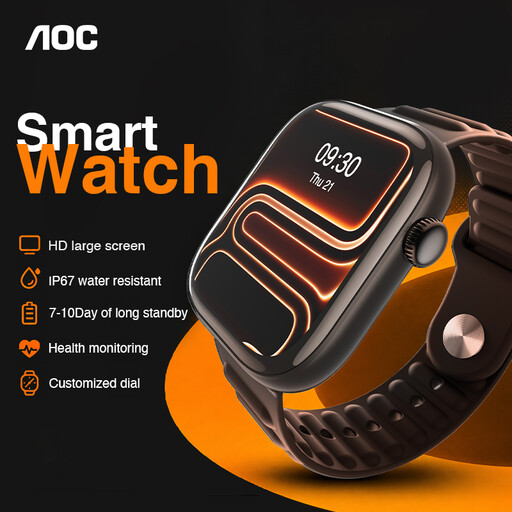
Why This Fits Their Persona: A practical option for UK shoppers who want everyday notifications, exercise modes and basic wellness tracking without prioritising advanced apps or cellular service.
Its listed features clearly identify Bluetooth 5.3, IP67 water resistance and magnetic charging, helping buyers avoid assuming that every watch supports LTE or swimming.
1.83-inch display; heart rate, blood oxygen and sleep monitoring; multiple exercise modes.
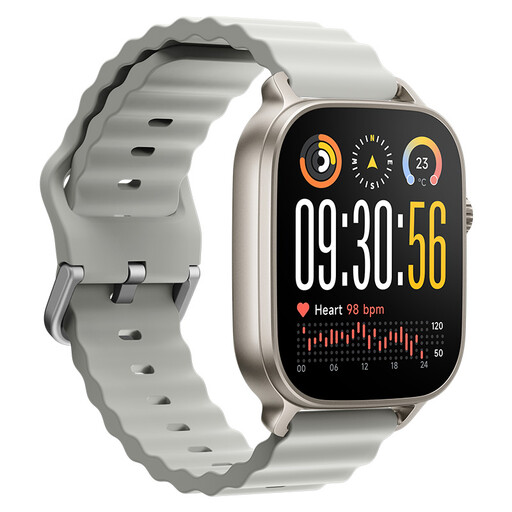
Why This Fits Their Persona: Suitable for people who want independent route tracking, regular workouts and fewer charging interruptions for commuting, walking or weekend activities.
The product information separates typical battery life, independent GPS and IP68 protection, making the main practical trade-offs easier to assess.
460mAh battery with up to 14 days of typical use; 5-GNSS positioning; 108 sport modes; Bluetooth calling.
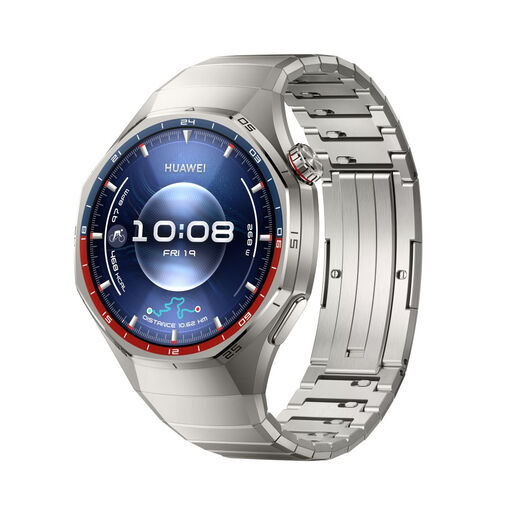
Why This Fits Their Persona: A polished choice for users who value a titanium construction, circular AMOLED screen and broad fitness functions for work, travel and outdoor activity.
The stated iOS and Android compatibility, 5 ATM rating and 95-minute charging time provide useful checks before purchase.
Titanium bezel and strap; 1.47-inch AMOLED display; built-in GPS; up to 12 days of typical use; Bluetooth calling.
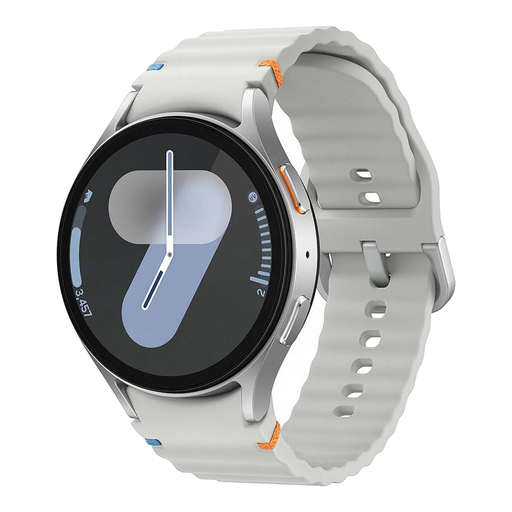
Why This Fits Their Persona: Designed for users who want calls, music and selected connected features during runs, errands or commutes without carrying a phone.
The listing identifies 4G LTE through an eSIM and states that iOS support has limited features, so network and phone checks remain visible before ordering.
4G LTE connectivity; BioActive Sensor; built-in GPS; 5 ATM and IP68 protection; listed battery life of up to 40 hours.
We have compiled a complete, real-time list of products that fully satisfy these strict selection criteria and UK safety regulations.
Not always. Huawei smartwatch models may support iOS and Android, while Samsung Galaxy Watch devices can offer limited iPhone functionality. Apple Watch models require a compatible iPhone, including the stated iPhone 11 or later requirement for the Apple Watch Series 12 listings. Confirm compatibility before buying, particularly if you rely on calls, payments or health apps.
Battery life varies from around a day on feature-rich models with bright displays and frequent GPS use to more than a week on selected fitness smartwatches. A realme Watch 5 lists up to 14 days of typical use, while the HUAWEI Watch GT6 Pro lists up to 12 days. These figures can reduce when GPS, Bluetooth calling, always-on display or continuous tracking is active.
Generally, smartwatch readings are intended for fitness and wellness purposes. Heart rate, SpO2, sleep and stress information can help you observe personal trends, but they should not be used to diagnose or treat a condition. If a reading concerns you, speak with a qualified healthcare professional rather than relying solely on a wearable device.