
24/7 Customer Support

Free returns

Same-day & Next-day Delivery

Quality Guaranteed

Unlock Your Welcome Offers: FREE Delivery | Up to 80% OFF | Free 30-day JoyPlus trial
Download the APP
Buying a smartwatch in the UK can seem straightforward until you compare battery claims, GPS features, health sensors, water ratings and phone compatibility. Many shoppers end up paying for functions they cannot use, or choosing a watch that needs charging too often for their routine.
The main traps are not always obvious:
A suitable choice starts with your phone, daily activities and willingness to charge the device—not simply the number of features listed on the box.
If you use an iPhone, an Apple Watch offers close integration with Apple apps, notifications, calls and safety features. However, the listed Apple Watch Series 12 models require an iPhone 11 or later with iOS 27 or later, according to the supplied product information. Apple Watch models are not designed as general smartwatch options for Android users.
For a smartwatch for iPhone and Android, check the required operating system and companion app before ordering. Bluetooth calling smartwatches generally need the phone nearby for the call connection, even when the watch has a speaker and microphone. A watch with built-in GPS can record routes without your phone, but mapping, music streaming or mobile calls may still require a separate connection.
A quoted figure such as “up to 14 days” or “up to 42 hours” depends on settings and usage. Always-on displays, frequent notifications, GPS workouts, Bluetooth calls and continuous sensor readings can reduce runtime.
For example:
Consider whether you are happy to charge daily, every few days or roughly once a week. This is particularly important if you want a sleep tracking watch, because overnight wear requires sufficient battery before bedtime.
Water ratings are not interchangeable:
A GPS smartwatch is useful for running, cycling, walking and hiking. Basic GPS may be sufficient for regular park routes, while dual-band or multi-system GNSS can be a consideration for urban areas, woodland and complex outdoor environments. Look for stated support such as GPS, Galileo, GLONASS, BeiDou or QZSS rather than relying on vague claims about “precise tracking”.
Heart rate monitor watch features, blood oxygen readings, ECG functions, sleep scores and similar measurements should be treated as wellness information. They can help you review trends, but they are not a diagnosis or a substitute for medical advice.
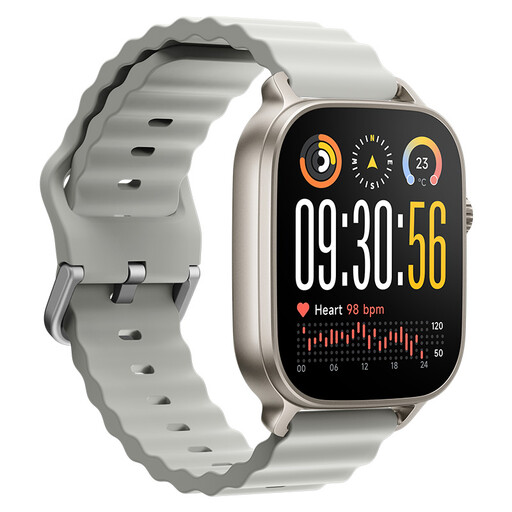
Why This Fits Their Persona: A practical option for shoppers wanting a large AMOLED display, everyday notifications, fitness tracking and Bluetooth calls without moving into a premium price category.
Its product information states typical daily battery life separately from standby use, and it specifies IP68, independent GNSS positioning and Bluetooth 5.3 calling.
1.97-inch AMOLED display, 108 sport modes, heart rate and sleep monitoring, plus a 460mAh battery.
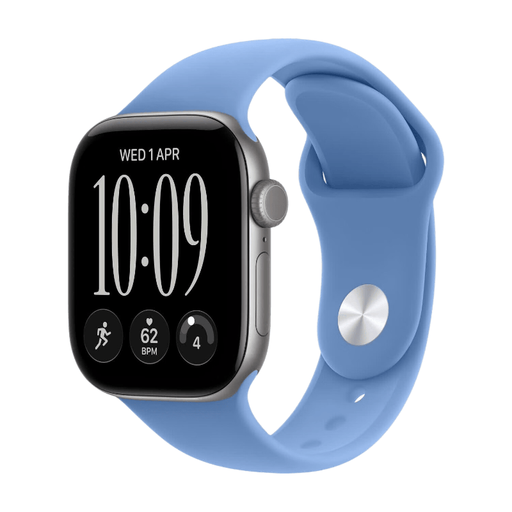
Why This Fits Their Persona: Suits iPhone users seeking an integrated everyday device for notifications, workouts, sleep tracking and general wellness data.
The compatibility requirement is clearly stated, while the 50-metre water-resistance rating is accompanied by limitations against high-velocity water activities.
Always-on OLED display, built-in GPS, ECG and HRV features, sleep tracking, 24-hour stated battery life and fast charging.
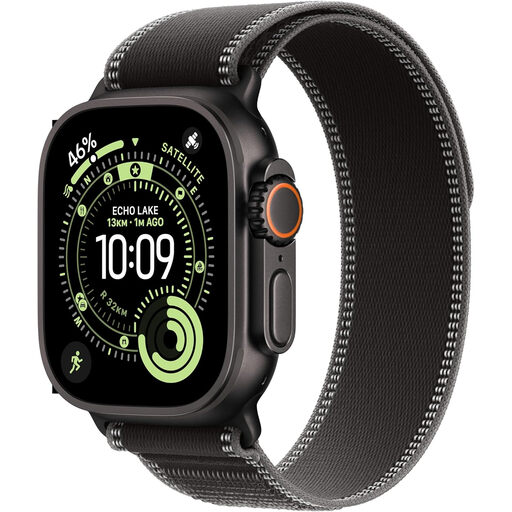
Why This Fits Their Persona: Designed for iPhone users who regularly run, cycle, swim or spend time outdoors and want longer stated battery life and cellular connectivity.
It provides specific limits for its 100-metre water resistance, battery modes and satellite safety functions rather than presenting them as guaranteed in every situation.
Titanium case, sapphire display, dual-frequency GPS, cellular connectivity and up to 42 hours of stated normal use.

Why This Fits Their Persona: A strong match for Android or iPhone users who want bright outdoor visibility, multi-system GPS and water-related activity support.
The product details distinguish 5 ATM, IP6X and dive certification up to 40 metres, while also warning against saunas, hot showers and deeper scuba diving.
1.82-inch AMOLED display with up to 3000 nits, sapphire glass, dual-band GNSS and stated compatibility with Android 8.0 or later and iOS 13.0 or later.
We have compiled a complete, real-time list of products that fully satisfy these strict selection criteria and UK safety regulations.
A GPS smartwatch can record location data during activities without your phone nearby. However, many notifications, Bluetooth calls, app synchronisation and music functions still depend on a connected smartphone. Cellular models may support calls and mobile data independently, but they usually require a compatible mobile plan.
Battery capacity and software support affect practical lifespan. A watch may continue working for several years, but battery performance can decline over time. Water resistance can also reduce with age, impact or seal wear. Check charging requirements, warranty information and replacement support before purchasing.
Most basic functions do not require a subscription. Potential ongoing costs include a cellular data plan, optional fitness services, replacement straps and charging accessories. For health monitoring smartwatch features, the main cost is usually the device itself, but app or service requirements should be checked before ordering.