
24/7 Customer Support

Free returns

Same-day & Next-day Delivery

Quality Guaranteed

Unlock Your Welcome Offers: FREE Delivery | Up to 80% OFF | Free 30-day JoyPlus trial
Download the APP
Navigating the world of smartwatches can feel overwhelming. With endless features and bold marketing claims, it is easy to end up with a device that does not quite fit your lifestyle or, worse, fails to deliver on its promises. As a Joybuy Product Recommendation Officer, my role is to help you sidestep the common traps and identify the features that truly matter for your needs.
Before you commit, let's look at a few frequent pitfalls UK buyers encounter and how to avoid them.
Many assume a "waterproof smartwatch" can handle any water-based activity. However, the reality is more nuanced. Most devices are water-resistant, not fully waterproof, and their capabilities are defined by specific ratings. An IP68 rating, for instance, generally means the device can be submerged in shallow, still water for a short period. A 5 ATM rating is more robust, making it suitable for swimming in a pool or the sea. However, neither rating guarantees protection against high-pressure water jets or the high temperatures of a sauna or hot tub, which can damage the seals and internal components.
A seven-day battery life sounds fantastic, but this figure is often based on minimal usage. Once you enable features like an always-on display, continuous heart rate monitoring and frequent use of the built-in GPS watch function, that advertised battery life can drop significantly. It is crucial to look for real-world usage estimates rather than just the standby or "typical use" figures stated by manufacturers.
Modern smartwatches and fitness trackers offer an impressive array of health monitoring tools, from heart rate and blood oxygen (SpO2) to stress and sleep analysis. While these are excellent for tracking trends and promoting general wellness, it is vital to remember they are not medical devices. The data from your heart rate monitor or sleep tracker provides valuable insights, but it should not be used for self-diagnosis or to replace professional medical advice.
To ensure you choose a device that serves you well, focus on these fundamental parameters.
This is the first and most important check. A smartwatch is an extension of your phone, so seamless integration is non-negotiable. Ensure the device is fully compatible with your smartphone's operating system (iOS or Android). Some features, like responding to messages, may only work with one OS. Furthermore, consider the companion app—is it user-friendly and does it present your data clearly?
The quality of the sensors dictates the usefulness of your device as an activity tracker.
Beyond basic step counting, consider what you want to monitor. For general wellness, a comprehensive sleep tracker that analyses sleep stages is incredibly useful. If you are focused on athletic performance, look for a watch with a wide range of exercise modes and metrics like Active Zone Minutes, which help you understand the intensity of your workouts.
To help you find the right fit, here are a few options matched to different user profiles.
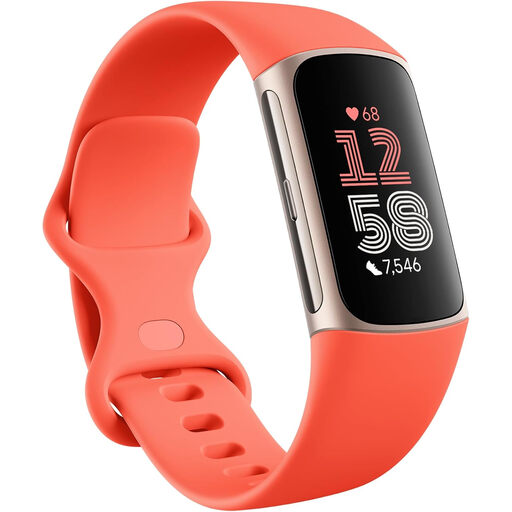
Why This Fits Their Persona: Ideal for UK users wanting to improve their overall health without being overwhelmed by data. It excels as a daily companion for tracking activity, sleep and stress, with the convenience of Google Maps and Wallet for navigating the city and paying for a coffee.
Its up-to-7-day battery life holds up well under normal use, avoiding the pitfall of daily charging. The 5 ATM water resistance is clearly defined for swimming, not just splashes.
Features a reliable heart rate monitor, built-in GPS for phone-free workouts and an EDA sensor for stress management—a strong combination of core wellness tools.
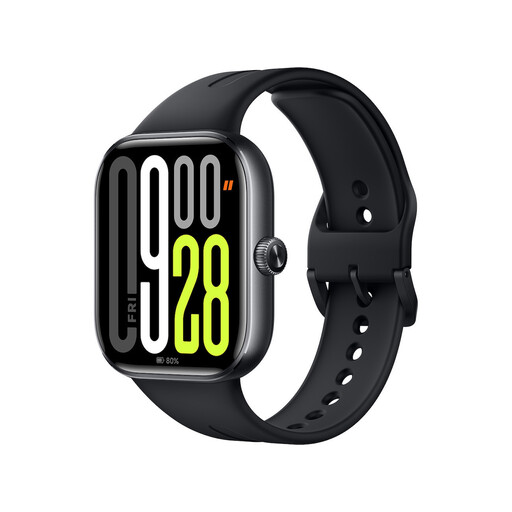
Why This Fits Their Persona: For the serious runner, cyclist or gym-goer who demands performance. The large, bright screen is perfect for checking stats mid-workout, and the extensive sports modes provide detailed tracking for almost any activity.
It directly counters the battery life pitfall with up to 24 days of standard usage. Its built-in multi-system GNSS provides accurate location data, avoiding the inaccuracy of less advanced GPS systems.
A true sports watch with a huge 2.07-inch AMOLED display, 5 ATM water resistance and over 150 sports modes. The long battery life is a significant advantage for multi-day events or travel.
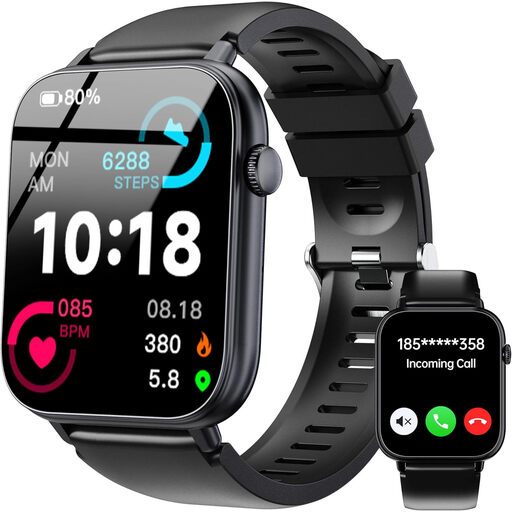
Why This Fits Their Persona: A great entry point for anyone curious about smartwatches but not ready to commit to a high-end device. It provides the core features—notifications, calls from the wrist and basic activity tracking—at an accessible price point.
This watch avoids the trap of overspending on features you may not use. Its IP68 rating is clearly positioned for daily use and workouts, setting realistic expectations about water resistance.
Offers a large 1.83-inch touch display and Bluetooth calling, features often found on more expensive models. With 100+ sports modes, it provides plenty of tracking options for beginners.
We have compiled a complete, real-time list of products that fully satisfy these strict selection criteria and UK safety regulations.
With proper care, a quality smartwatch should provide reliable performance for three to five years. Battery degradation is the most common issue over time. To prolong its life, avoid exposing the device to extreme temperatures and use the official charging cable.
Most core features of a smartwatch, such as notifications, activity tracking and GPS, are free to use. However, some brands, like Fitbit, offer a premium subscription service that unlocks more detailed analytics, guided workouts and personalised insights. You can typically use the device effectively without the subscription.
It depends on the feature. For a watch with built-in GPS, you can track outdoor workouts without your phone. Models with cellular connectivity can make calls and receive messages independently. However, for initial setup, software updates and syncing detailed data, a connection to your smartphone is almost always required.